





Blog
Bolt Action Hunting Rifle vs Semi-Auto: Which Is Better for Canadian Hunters? (2026)

Choosing between a bolt action hunting rifle and a semi-automatic is one of the first real decisions every Canadian hunter faces. Both platforms have earned their place in the field, but they solve very different problems. One rewards patience and precision. The other rewards speed and volume of fire.
The trouble is that most comparison articles are written for U.S. hunters and ignore the Canadian legal landscape entirely. Magazine capacity laws, firearm classification rules, and provincial hunting regulations all play a role in which action type makes the most sense north of the border. In this blog post we will break down the honest pros and cons of each platform, explain what Canadian law says about both, and give you a clear answer based on what you actually plan to hunt.
Bolt Action vs Semi-Auto at a Glance
Before diving into the details, here’s a quick snapshot of how the two platforms compare across the factors that matter most to Canadian hunters:
| Factor | Bolt Action | Semi-Auto |
| Accuracy | Superior (fewer moving parts, rigid receiver) | Very good in modern rifles, but slightly less inherent precision |
| Fire Rate | Slower (manual cycling between shots) | Faster (automatic chambering after each shot) |
| Reliability | Excellent in extreme cold, rain, dust | Good, but more components that can malfunction |
| Weight | Generally lighter | Typically heavier due to gas system |
| Caliber Range | Widest selection (.22 LR to .338 Lapua) | Limited mostly to .223, .308, 6.5 Creedmoor |
| Magazine Capacity (Canada) | No legal limit on bolt actions | Centrefire semi-autos capped at 5 rounds |
| Avg. Price (CAD) | $500 – $2,500 | $800 – $3,000+ |
| Maintenance | Simpler, fewer parts to clean | More involved (gas system, bolt carrier group) |
Where Bolt Action Hunting Rifles Win
Bolt actions have dominated Canadian hunting for over a century, and that’s not nostalgia talking. The platform offers real, measurable advantages in the areas that matter most when you’re carrying a rifle through bush, up mountains, or into a tree stand. Here’s where they pull ahead.
Superior Accuracy and Fewer Moving Parts
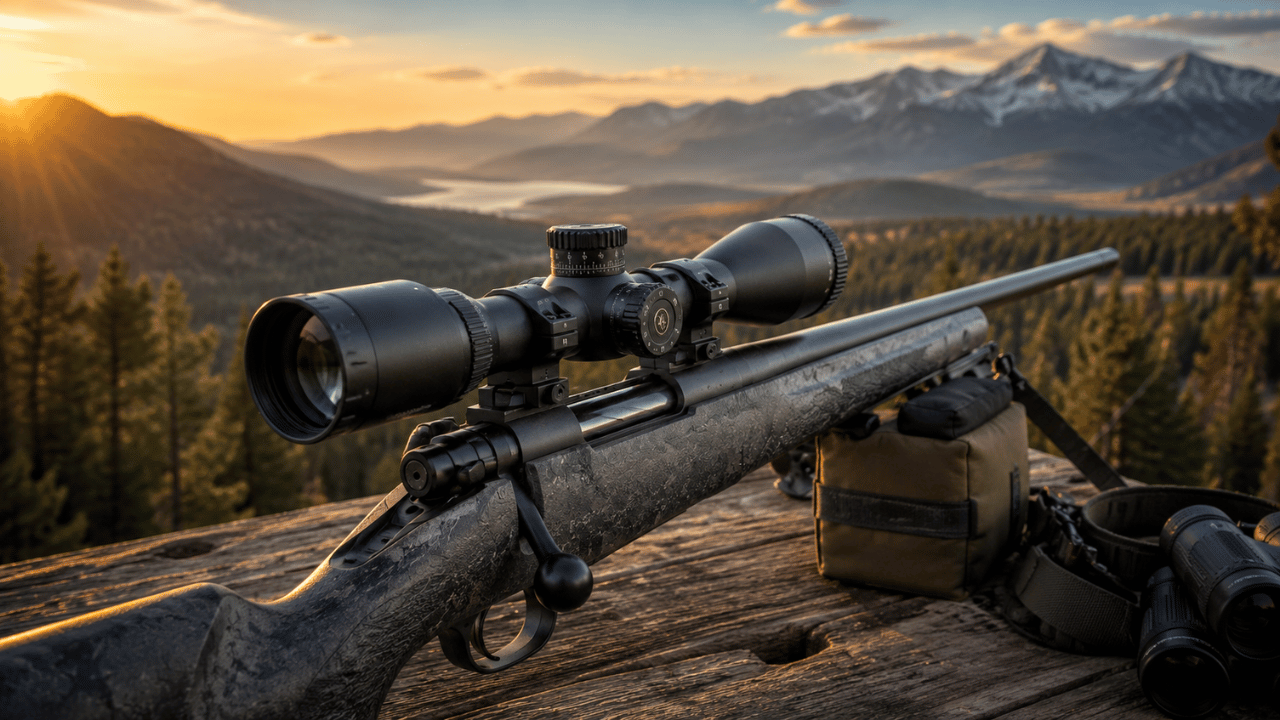
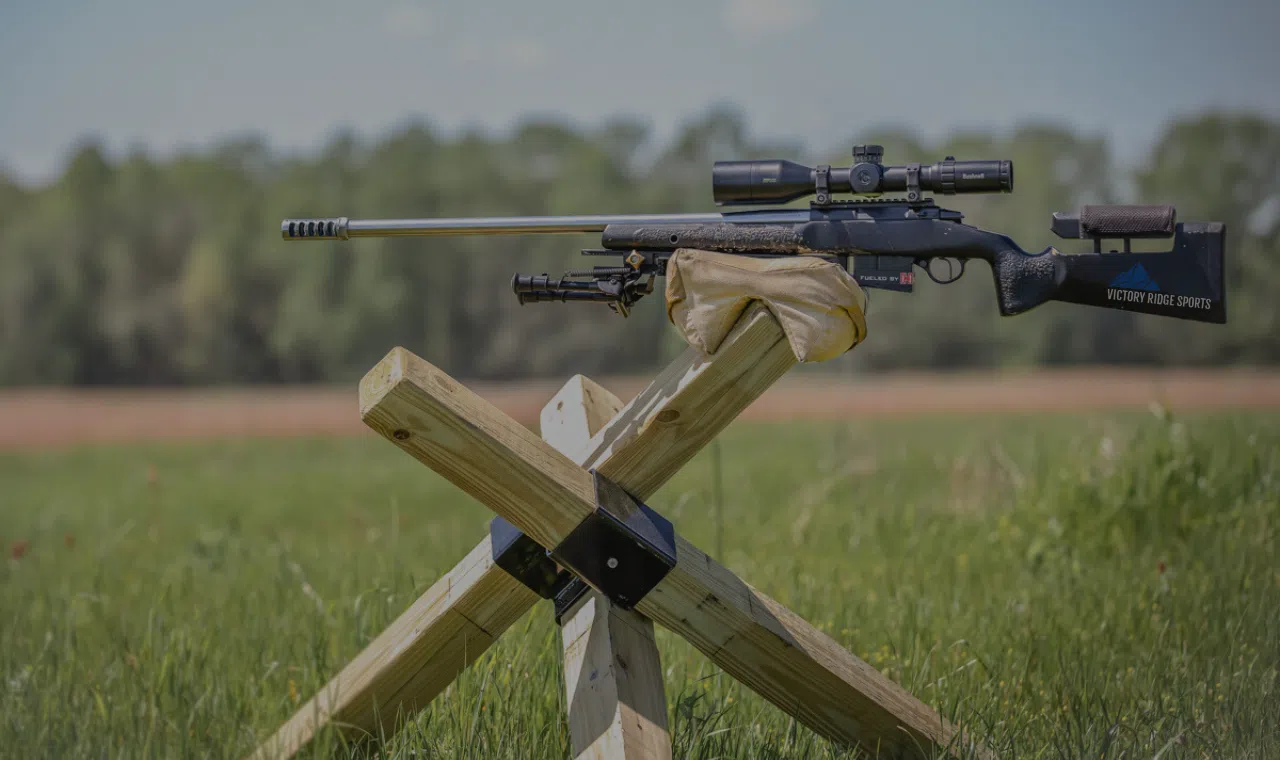
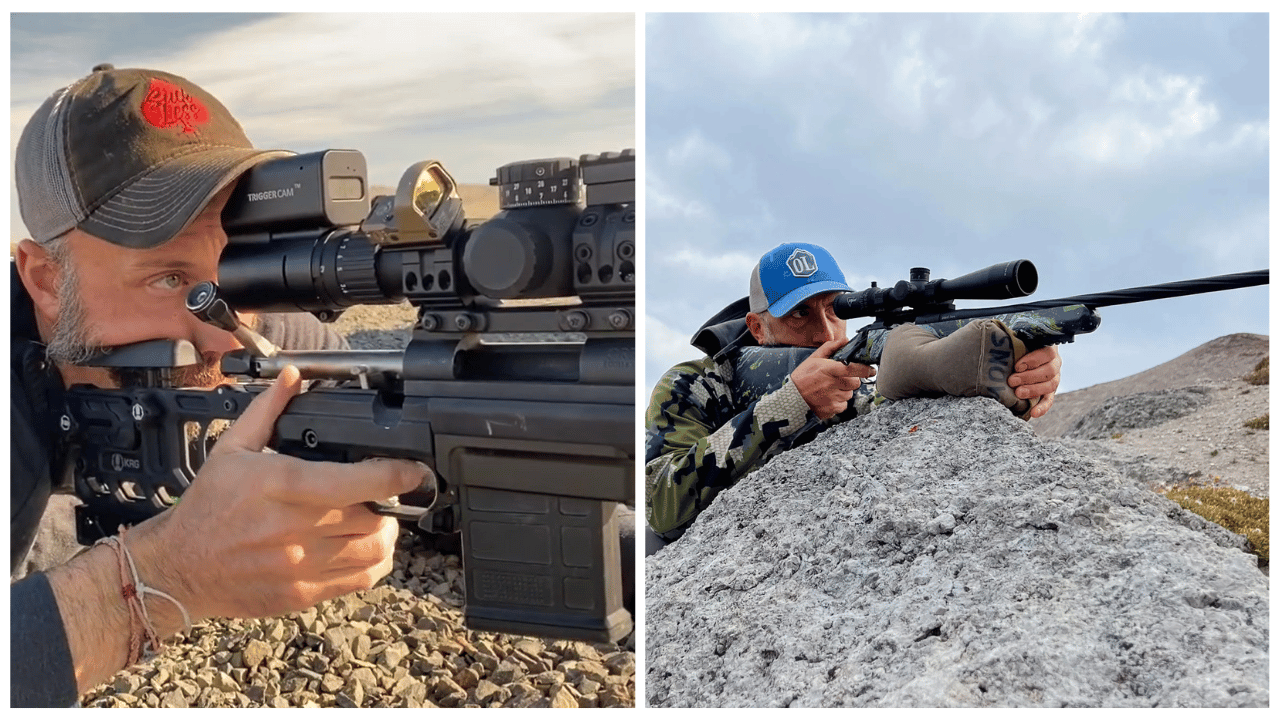
A bolt action hunting rifle has a rigid, one-piece receiver with no gas system, no reciprocating bolt carrier, and no cycling mechanism competing for energy during the shot. The result is a platform that delivers more consistent chamber lockup and better inherent accuracy. This is why precision rifle competitors and military snipers still run bolt guns. For Canadian hunters taking one carefully placed shot at a deer or elk across a clearing, that mechanical simplicity translates directly into confidence behind the trigger.
Wider Caliber Selection
Bolt actions are available in virtually every centrefire and rimfire cartridge ever manufactured. Whether you need a .243 Winchester for pronghorn on the Alberta prairie, a .30-06 for Ontario whitetail, or a .300 Winchester Magnum for British Columbia elk, there’s a bolt action chambered for it. Semi-autos, by contrast, are largely confined to .223 Remington, .308 Winchester, and 6.5 Creedmoor in factory configurations.
Lighter, Simpler, and Easier to Maintain in the Field
Without the extra weight of a gas system, buffer tube, and heavier bolt carrier group, bolt actions are typically a full pound lighter than equivalent semi-autos. After a 10-kilometre hike into backcountry, that weight savings matters. Cleaning is simpler too. A bolt action field strip takes seconds. A gas-operated semi-auto demands more time, more tools, and more attention to carbon buildup in the gas system, especially in cold, wet Canadian conditions.
Where Semi-Auto Rifles Win
Semi-autos aren’t just “military rifles repurposed for hunting.” Modern sporting rifles have earned a legitimate place in the Canadian field, particularly in scenarios where speed and shot volume matter more than single-round precision. Here’s where they genuinely outperform bolt actions.
Faster Follow-Up Shots for Moving Game
This is the semi-auto’s undeniable strength. When a coyote is sprinting across a hay field or a feral hog breaks cover at close range, the ability to send a quick second and third shot without lifting your cheek from the stock is a real advantage. For predator hunters running night setups or varmint shooters working a ground squirrel colony, semi-auto speed is a genuine tactical benefit that bolt actions cannot match.
Reduced Felt Recoil
Because a semi-auto’s gas system bleeds off energy to cycle the action, the shooter feels noticeably less recoil than with an equivalent bolt action in the same caliber. For hunters who are recoil-sensitive or planning extended practice sessions, this softer shooting experience can improve accuracy and reduce fatigue. It is also a meaningful consideration for younger or smaller-framed shooters being introduced to centrefire rifles for the first time.
What Canadian Law Says About Both
This is the section that every U.S.-written comparison skips, and it’s arguably the most important for anyone hunting in Canada.
Magazine Capacity: Bolt Actions Have No Limit, Semi-Autos Are Capped at 5
Under Canada’s Firearms Act and Criminal Code, centrefire semi-automatic rifles are limited to a maximum magazine capacity of five rounds. This is a federal law, not a provincial one, and it applies everywhere in Canada. Possessing a magazine capable of holding more than five centrefire rounds in a semi-auto is a criminal offence.
Bolt action rifles, lever actions, and pump actions are exempt from this restriction. You can legally hunt with a 10-round magazine in a bolt action with no issues. This gives bolt action hunters a practical capacity advantage in the field, which is the opposite of what most people assume.
Non-Restricted Classification and Recent Changes
Most bolt action and semi-auto hunting rifles fall under Canada’s non-restricted classification, provided the barrel is over 18.5 inches and the firearm is not on the prohibited list. However, the passage of Bill C-21 added several previously non-restricted semi-auto models to the prohibited or restricted lists. Before purchasing any semi-automatic rifle in Canada, verify its current classification through the RCMP Canadian Firearms Program. Bolt actions have been largely unaffected by these legislative changes.
Which Action Type Wins for Your Hunt
Instead of the generic “it depends” answer, here is a direct recommendation based on common Canadian hunting scenarios:
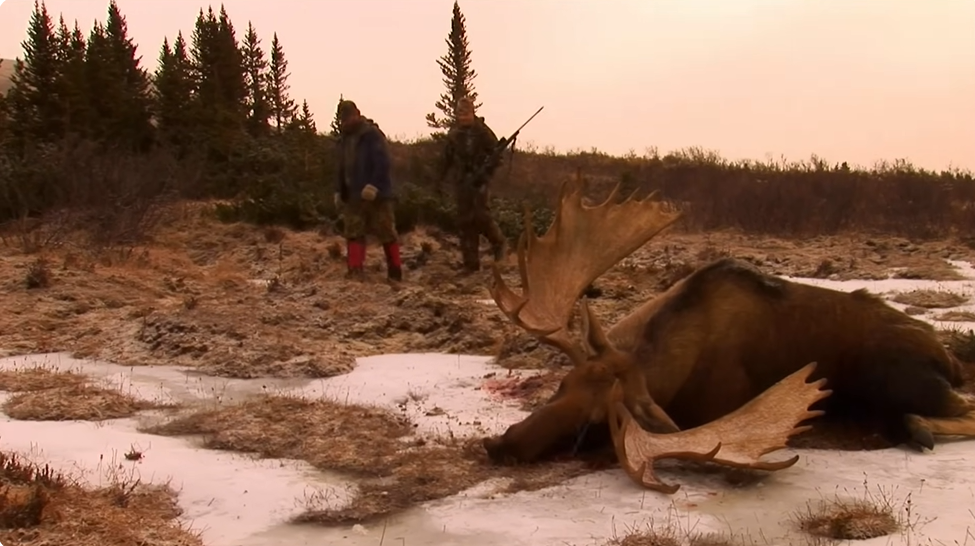
Big Game (Deer, Moose, Elk): Bolt action wins. You need one clean, well-placed shot at distances between 100 and 300 yards. Accuracy, caliber selection, and lighter carry weight all favour the bolt gun. The vast majority of Canadian big game hunters carry bolt actions for this reason.
Predator and Varmint Control (Coyotes, Foxes, Gophers): Semi-auto has the edge. Multiple fast-moving targets, shorter engagement distances, and the need for quick follow-up shots make semi-auto the more practical tool. A .223 semi-auto is the standard predator rig across the prairies.
Small Game and Target Shooting: Bolt action for precision work and skill building. A .22 LR bolt action rifle is the most cost-effective training tool any Canadian shooter can own, and it doubles as a small game rifle for rabbits, squirrels, and grouse.
Recommended Bolt Action Hunting Rifles for Canadian Hunters
For most Canadian hunting scenarios, a quality bolt action is the smarter investment. Here are three options across different budgets that we trust:
Best Overall: The Bergara B-14 series offers match-grade accuracy in a hunting rifle package, with options in .308 Win, 6.5 Creedmoor, and .300 Win Mag. It competes with custom rifles at a fraction of the cost.
Best Value Under $1,000 CAD: The Ruger American Ranch delivers a clean adjustable trigger, threaded barrel, and reliable feeding in a lightweight package. Hard to beat for the price.
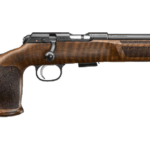
Best Rimfire Trainer: The CZ 457 American .22 LR is the ideal companion rifle for off-season shooting practice. It builds fundamentals with cheap ammo and mirrors the ergonomics of a full-size centrefire bolt action.
The Verdict for Canadian Hunters
For the majority of Canadian hunters, a bolt action hunting rifle is the better choice. It’s more accurate, lighter to carry, available in more calibers, exempt from the 5-round magazine cap, and unaffected by recent legislative changes that have restricted several semi-auto platforms. It’s also simpler to maintain in the harsh cold, rain, and dust that Canadian hunting demands.
That said, if your primary use case is predator control or varmint shooting where speed matters more than single-shot precision, a semi-auto in .223 Remington is a legitimate tool for the job.
The best approach for a well-rounded Canadian hunter is to own both: a bolt action centrefire for big game season and a bolt action rimfire for year-round training. You can browse the full selection of bolt action rifles and find the right fit for your next season.