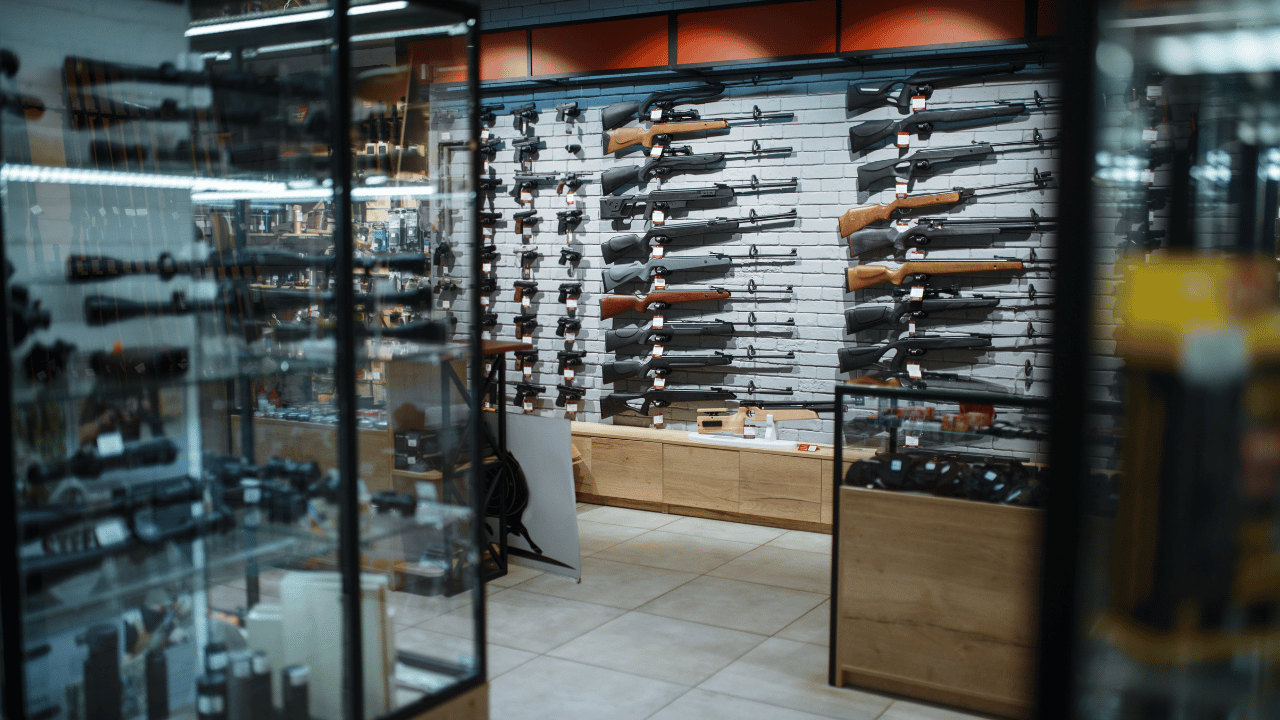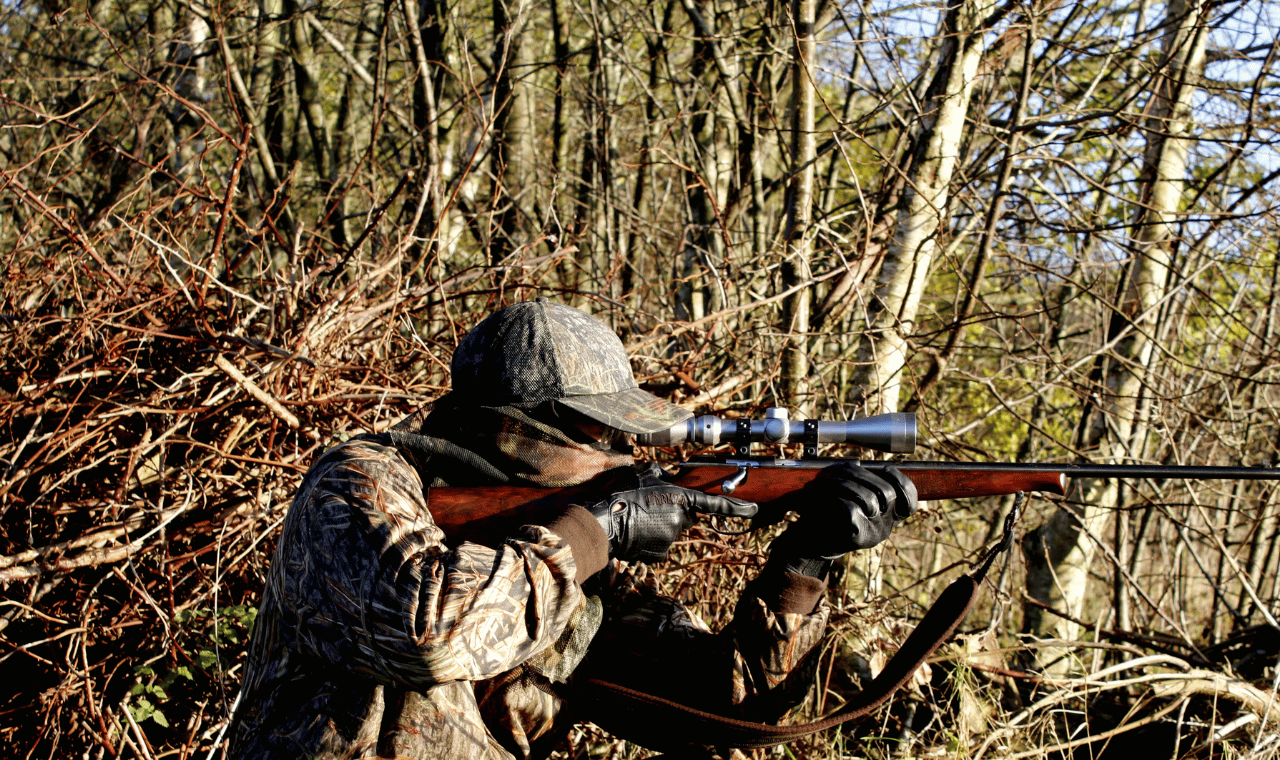
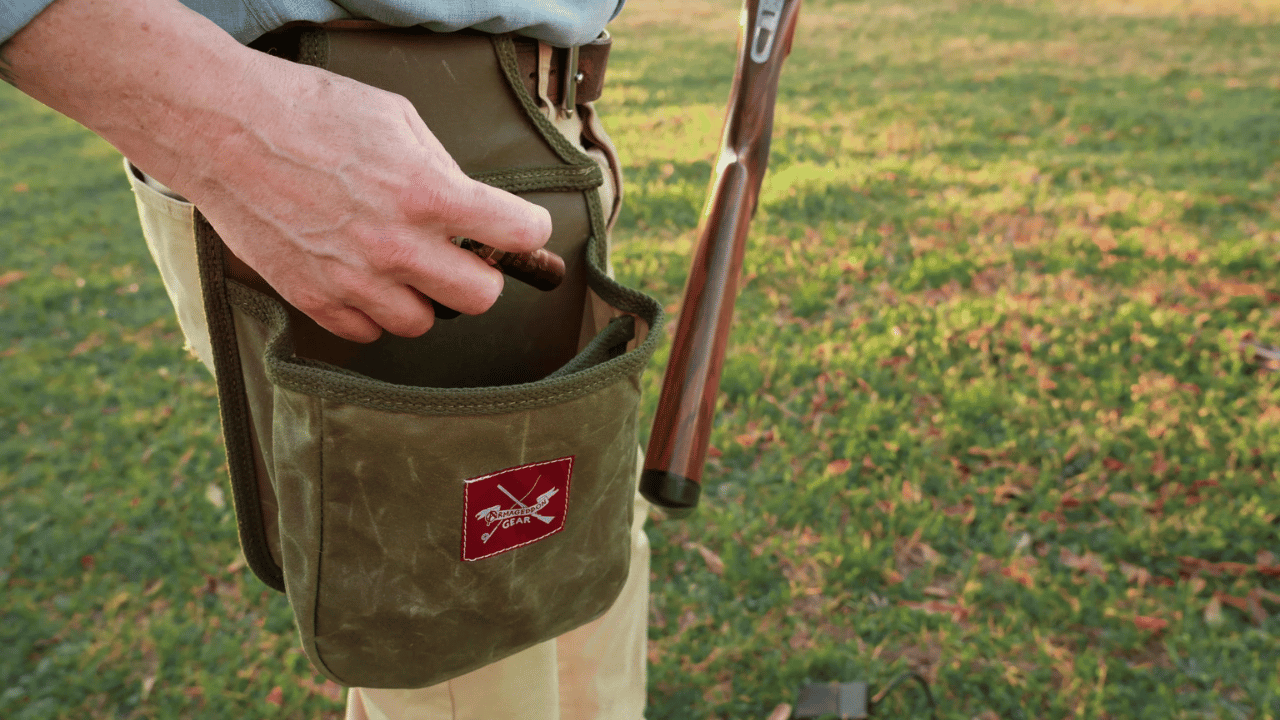
A shotgun shell pouch is one of those pieces of gear that most shooters don’t think about until they’re standing at Station 3 on a sporting clays course, digging through jacket pockets for two more shells while the squad waits. Or crouching in a duck blind fumbling with a soggy cardboard box while a flight of mallards circles back. The right pouch eliminates that friction entirely. Shells go where your hand expects them, every time, without looking down or breaking your focus.
In this blog we will explain why shell access speed genuinely matters, how to choose a pouch by the way you shoot, and which options we carry and trust at Victory Ridge Sports.
How a Shotgun Shell Pouch Actually Makes You Faster
Speed in shotgun sports isn’t just about how fast you swing. It’s about how fast you reload, reset, and get back on target. Every second spent searching for shells is a second your focus drifts from the next bird or clay. A quality shotgun shell pouch solves this by giving you consistent, single-motion access to ammunition without ever looking away from the field.
The Reload Gap: What Pocket-Stuffing Actually Costs You
Stuffing loose shells into cargo pockets or jacket pockets feels convenient until you actually time it. Reaching into a deep pocket, fishing past gloves, earplugs, and a phone, then pulling two shells out brass-end-first takes 4 to 6 seconds on average. A belt-mounted shell pouch with brass-down orientation cuts that to under 2 seconds. Over 100 shells on a sporting clays course, that gap adds up to minutes of lost focus and disrupted rhythm. In hunting, those extra seconds can mean the difference between a clean follow-up shot and watching a rooster pheasant sail over the treeline untouched.
Rhythm and Flow: Why Consistent Shell Access Matters on the Clay Range
Trap shooting, skeet, and sporting clays are rhythm sports. Your mount, swing, break, and reload should flow into one continuous sequence. Every time you interrupt that rhythm to search for ammunition, your timing resets and your next pair suffers. Competitive shooters understand this intuitively, which is why you’ll never see a serious sporting clays competitor without a dedicated shotgun shell pouch on their belt. The pouch becomes part of the motion. Break the clays, open the action, drop the spent hulls, reach to the same spot on your hip, load two fresh shells, close the action. Seamless. Repeatable. Fast.
Types of Shotgun Shell Carry Systems
Before choosing a specific pouch, it helps to understand the four main ways shooters carry shotgun shells. Each system has tradeoffs between capacity, access speed, comfort, and simplicity.
Here are the different types of shooting shell pouches:
Belt-Mounted Shell Pouches
The most versatile option for both range and field use. A belt-mounted shotgun shell pouch sits on your hip, keeps shells oriented for fast access, and often includes a separate compartment for spent hulls. Capacity ranges from 25 to 75 shells depending on the model. This is the system we recommend for most Canadian shooters because it works across trap, skeet, sporting clays, and hunting without requiring a dedicated vest.
Shell Vests
Shell vests distribute ammunition across your chest and back in dedicated loops or pockets. They’re popular with high-volume clay shooters who want 100+ shells on their body and prefer not to wear a belt pouch. The downside is heat. Wearing a padded vest in July on a sporting clays course is uncomfortable, and layering a vest over hunting gear in the field adds bulk. For dedicated clay shooters in cooler weather, vests are excellent. For everyone else, a pouch is more practical.
Box Carriers
Box carriers hold an entire factory box of shells (25 rounds) in a rigid or semi-rigid container that clips to your belt. They’re the simplest option for casual range days where you’re shooting one box at a time and don’t need spent hull management. Less versatile than a pouch but cheaper and easier to load.
Buttstock Shell Holders
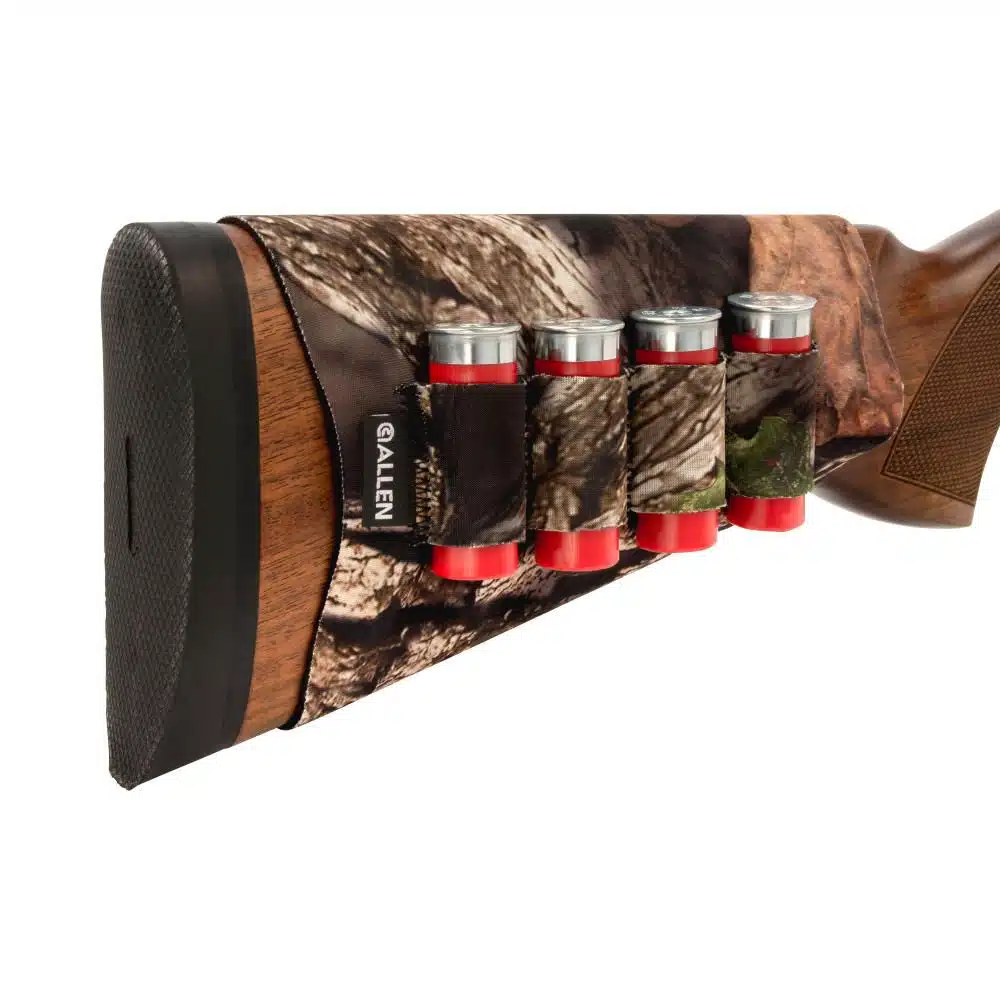
Elastic loops that wrap around your shotgun’s buttstock hold 4 to 6 extra shells for quick field reloads. They’re useful as a supplement for bird hunting but don’t replace a pouch for any scenario requiring more than a handful of spare rounds.
| System | Capacity | Access Speed | Spent Hull Management | Best For |
| Belt Pouch | 25-75 shells | Fast | Yes (most models) | All-around: clays + hunting |
| Shell Vest | 75-150 shells | Moderate | Varies | High-volume clay shooting |
| Box Carrier | 25 shells | Moderate | No | Casual range days |
| Buttstock Holder | 4-6 shells | Fast (limited) | No | Supplemental field use |
How to Choose a Shotgun Shell Pouch by Shooting Discipline
The pouch that’s perfect for sporting clays isn’t necessarily the right choice for a waterfowl hunt. Matching your shotgun shell pouch to the way you actually shoot ensures you’re carrying the right capacity, the right features, and the right materials for the conditions you’ll face.
Trap and Skeet
A standard trap round is 25 birds. You need a pouch that holds at least 25 shells with fast single-hand access and ideally a separate pocket for spent hulls so you’re not littering the range. A compact, belt-mounted design with a wide opening works best. Anything over 50-shell capacity is unnecessary bulk for these disciplines.
Sporting Clays
Sporting clays courses run 50 to 100 birds across multiple stations. You need higher capacity (50+ shells), a reliable spent hull compartment, and a pouch that stays comfortable on your hip for 2 to 3 hours of walking between stations. Quick-dump hull pockets with a bottom zipper make cleanup fast at the end of the round.
Upland Bird Hunting
Upland hunters walk hard and carry light. A slim, quiet pouch with 15 to 25 shell capacity is ideal. The pouch should sit tight against your body without bouncing during fast walking, and the material should be quiet enough that it doesn’t spook birds in close cover. Canvas and waxed cotton are the traditional choices for upland because they meet both the durability and noise requirements.
Waterfowl Hunting in Canada
Waterfowl hunting in Canada requires non-toxic shot for all migratory bird hunting, which means steel, bismuth, or tungsten loads. Steel shot shells are physically larger than equivalent lead loads, so your pouch needs slightly more room per shell than you might expect. More importantly, waterfowl hunting means water. Rain, marsh splash, snow, and condensation will soak any pouch that isn’t made from weather-resistant materials. Choose a pouch with water-resistant fabric and drainage capability, or accept that your cardboard shell boxes won’t survive the morning.
Rain, marsh splash, snow, and condensation will soak any pouch that isn’t made from weather-resistant materials. Choose a pouch with water-resistant fabric and drainage capability, or accept that your cardboard shell boxes won’t survive the morning.
Key Features That Separate a Good Pouch from a Cheap One
Not all shotgun shell pouches are built to the same standard. These four features are what separate a pouch you’ll use for a decade from one you’ll replace after a season.
Separate Spent Hull Compartment
A pouch with a dedicated hull pocket keeps your shooting station or blind clean, prevents spent shells from mixing with live rounds, and shows range etiquette. The best designs include a bottom zipper for quick dumping. If a pouch doesn’t have hull management, you’ll be stuffing empties in your pockets, which defeats the purpose of the pouch entirely.
Belt Attachment System
Clip-on pouches are fastest to put on and take off but can shift or bounce during movement. Slide-over designs that thread onto your belt sit tighter and more stable but require you to remove the belt to attach them. For clay shooting, clip-on works fine since you’re mostly stationary. For hunting where you’re walking kilometres, slide-over or MOLLE attachment provides a more secure carry.
Material and Weather Resistance
Canvas and waxed cotton are quiet, durable, and naturally water-resistant. Cordura nylon is tougher and fully weather-sealed but slightly noisier in cold conditions. Cheap polyester works for dry range days but won’t survive a Canadian waterfowl season. Match your material to your worst-case conditions, not your best.
Shell Orientation for Faster Reloads
The best pouches orient shells brass-down so you can grab two at a time and load directly without flipping them. This sounds minor until you’ve done it 50 times in an hour on a sporting clays course. Brass-down access saves a full second per reload compared to pouches where shells land in random orientations.
4 Shotgun Shell Pouches We Carry at Victory Ridge Sports
These four options cover every budget and use case, from a first-time trap shooter to a competitive sporting clays veteran. All are available at Victory Ridge Sports.
Armageddon Gear Shotshell Pouch — Premium Pick for Serious Shooters
Price: $128.95 CAD
This is the pouch competitive shooters buy once and never replace. Built by Armageddon Gear with the same American-made, mil-spec construction standards they apply to their precision rifle slings and shooting bags. The Shotshell Pouch holds a full box of shells with a separate hull compartment, sits tight against the belt without bouncing, and uses Cordura nylon with reinforced stitching that will outlast multiple seasons of hard use. The wide top opening and brass-down shell orientation allow fast, consistent two-shell reloads without looking down. If you shoot sporting clays competitively or put 1,000+ shells downrange per season, the Armageddon Gear Pouch is the last one you’ll buy.
Allen Select Canvas Double Box Shell Carrier — Best Mid-Range for Range Days
Price: $39.95 CAD
The Double Box Carrier holds two full boxes of shells (50 rounds) in a classic canvas design with separate compartments. It’s simple, durable, and sized perfectly for a full round of sporting clays or two rounds of trap without reloading from the car. The canvas construction is quiet and weather-resistant enough for dry to moderate conditions. At $39.95, it’s the sweet spot between budget and premium for shooters who want real capacity and build quality without the competition-grade price tag.
Allen Eliminator Shotgun Shell Pouch with D-Rings — Best Feature Set Under $25
Price: $24.95 CAD
The Eliminator punches above its price with a divided main compartment, integrated D-rings for accessory attachment, and a zippered hull dump on the bottom. The two-tone canvas and nylon construction looks better than most budget pouches and holds up to regular range use. It won’t match the Armageddon Gear in long-term durability or materials, but for a recreational shooter putting 500 shells a season through it, the Eliminator delivers genuine value. The D-rings are a nice touch for clipping on towels, ear pro, or choke tube cases.
Allen Select Canvas Single Box Shell Carrier — Best Budget Entry Point
Price: $14.95 CAD
If you’re new to clay shooting or want a simple carrier for casual range sessions, the Single Box Carrier gets the job done for under $15. It holds one box of 25 shells in a compact canvas pouch that clips to your belt. No spent hull compartment, no advanced features, just clean and simple shell access at the lowest possible price. It’s the pouch you start with before you know how often you’ll shoot. Once you’re hooked and putting serious volume through a shotgun, upgrade to the Eliminator or the Armageddon Gear.
| Pouch | Capacity | Hull Compartment | Material | Best For | Price (CAD) |
| Armageddon Gear Shotshell Pouch | 25+ shells | Yes | Cordura nylon | Competition, serious volume | $128.95 |
| Allen Double Box Carrier | 50 shells | Separate pockets | Canvas | Sporting clays, range days | $39.95 |
| Allen Eliminator w/ D-Rings | 25+ shells | Yes (zippered dump) | Canvas /nylon | All-around value | $24.95 |
| Allen Single Box Carrier | 25 shells | No | Canvas | Casual, beginners | $14.95 |
Final Thoughts: Carry Smarter, Shoot Faster
A shotgun shell pouch won’t fix a bad mount or a lazy swing, but it removes one of the most common sources of wasted time and broken rhythm on the range and in the field. Position it on your dominant-hand side just behind your hip bone, load brass-down, keep mixed loads separated, and let the pouch do the work so your focus stays where it belongs: on the next bird.
At Victory Ridge Sports, we help Canadian hunters and clay shooters find gear that genuinely improves their time in the field, not just fills a shelf. Based in Barrie, Ontario, our team of active hunters and competitive shooters tests and stocks the products we believe in, from premium Armageddon Gear competition pouches to budget-friendly Allen carriers that get new shooters started right. We offer expert advice, competitive pricing, and free shipping on orders over $250 Canada-wide.
Ready to stop fumbling and start shooting? Browse our full selection of shell pouches and shooting accessories or visit us in-store today.
FAQ: Shotgun Shell Pouches
How many shells does a shotgun shell pouch hold?
Most belt-mounted shotgun shell pouches hold between 25 and 75 shells depending on the design. A single-box carrier holds 25. Double-box designs hold 50. Competition pouches with expandable capacity can hold 75 or more.
Can I use a shell pouch for steel shot waterfowl loads?
Yes, but steel shot shells in 12-gauge are slightly larger than lead equivalents. Make sure your pouch has enough room per shell to accommodate the larger hull diameter, and choose a water-resistant material like Cordura nylon or waxed canvas for wet conditions.
What is the best shotgun shell pouch for sporting clays?
A belt-mounted pouch with 50+ shell capacity, a separate spent hull compartment with a bottom dump zipper, and brass-down shell orientation is the ideal sporting clays setup. The Armageddon Gear Shotshell Pouch and the Allen Double Box Carrier both fit this profile at different price points.
Do I need a separate compartment for spent hulls?
For range shooting, yes. Most ranges require you to police your brass and hulls. A built-in hull compartment keeps your station clean and saves time at the end of every round. For field hunting, it’s a courtesy to the land and keeps your blind organized.