
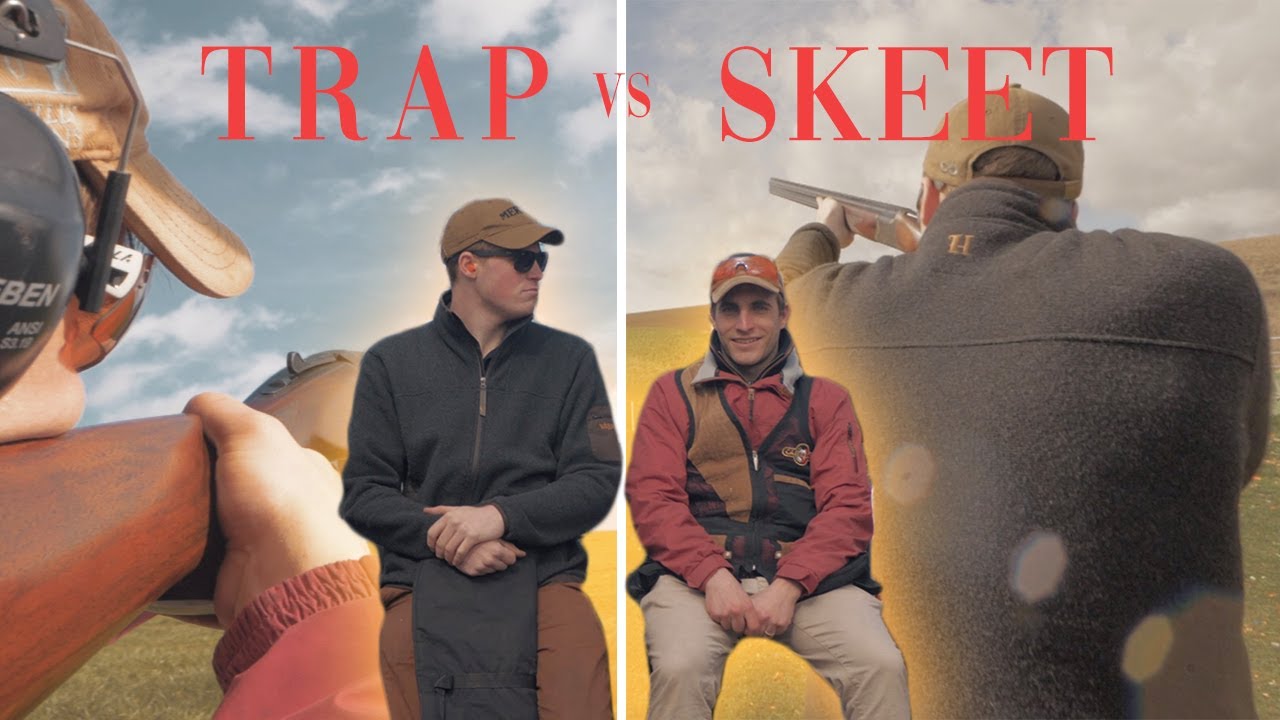
Trap and Skeet shooting are two popular types of clay shooting, each with its own unique set of rules, techniques, and challenges. While they both involve shooting moving clay targets, the way the targets are launched and the shooting setups differ significantly.
Trap shooting has a more straightforward layout, where the clay targets are launched from a single point and travel in one direction. On the other hand, skeet shooting involves targets moving across the field from different angles, making it a bit trickier. Both sports require focus, precision, and practice, but each has something different to offer shooters.
In this blog, we’ll explore the key differences between trap and skeet, from their history and rules to the equipment used and techniques involved. Whether you’re just starting out or looking to improve your skills, understanding the differences between trap and skeet shooting will help you decide which one is right for you.
What is Trap Shooting?
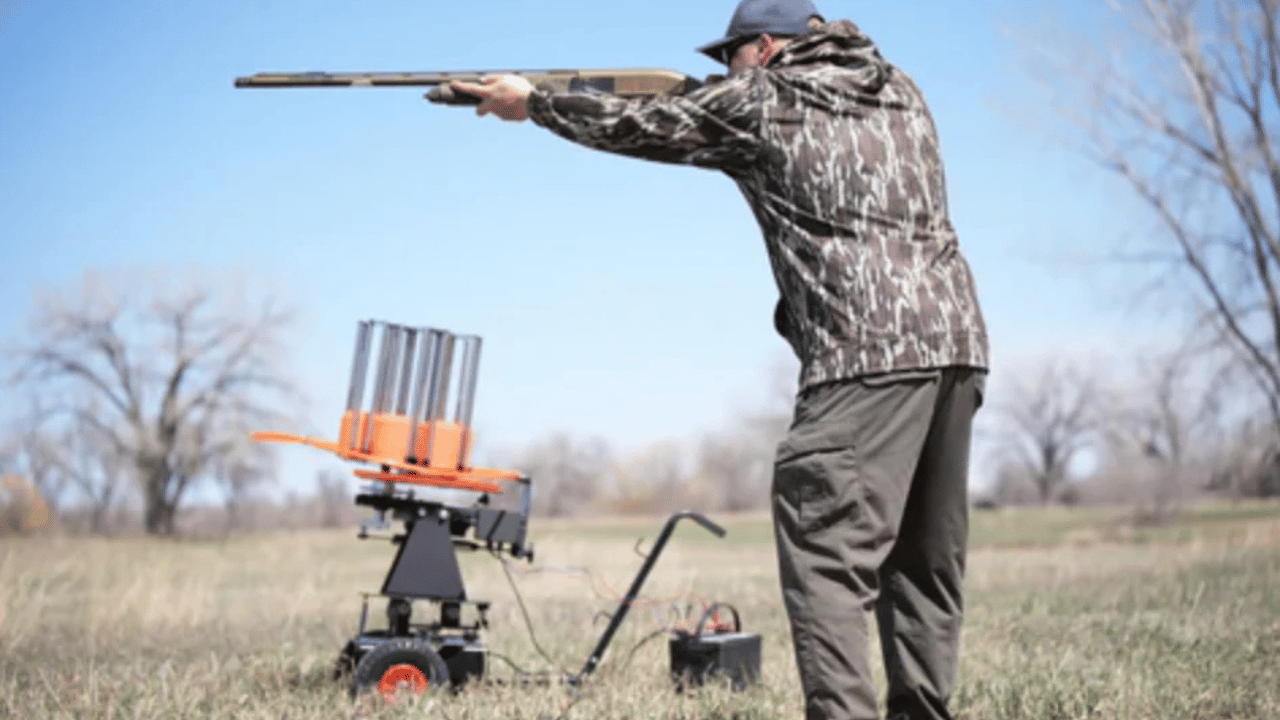
Trap shooting originated in the 18th century as a way to simulate bird hunting. It started with real live birds being released from a “trap,” a small cage that would launch them into the air. Over time, as concerns about animal welfare grew, the sport evolved to use clay pigeons. Trap shooting became formalized in the 19th century and quickly gained popularity, eventually becoming a part of Olympic shooting sports in 1900.
How Trap Shooting Works?
In trap shooting, shooters aim at clay targets launched from a single machine, called a “trap,” located in front of them. The targets are released from a hole in the ground and fly away in a random direction. Shooters must hit the target before it hits the ground. There are typically five shooting stations arranged in a half-circle, and shooters rotate through each station.
- Target Movement & Trajectory: The clay pigeons fly in different directions, typically in a straight line or slightly curved trajectory. The random nature of the target movement keeps it exciting.
- Shooting Positions and Scoring: A shooter fires at each target from their station. The score is simple: one point for each hit. The shooter with the highest score after a set of rounds wins.
Equipment Used in Trap Shooting
Trap shooting requires specific gear for both safety and performance.
- Guns: Shooters typically use a break-action shotgun with a longer barrel, which offers more control and better accuracy when hitting the targets.
- Ammunition: The standard ammunition for trap shooting is 12-gauge shotgun shells, often loaded with lead pellets. These shells are designed to burst the target mid-air.
- Other Gear: Safety glasses, ear protection, and a shooting vest are also important to ensure comfort and safety during shooting sessions.
What is Skeet Shooting?
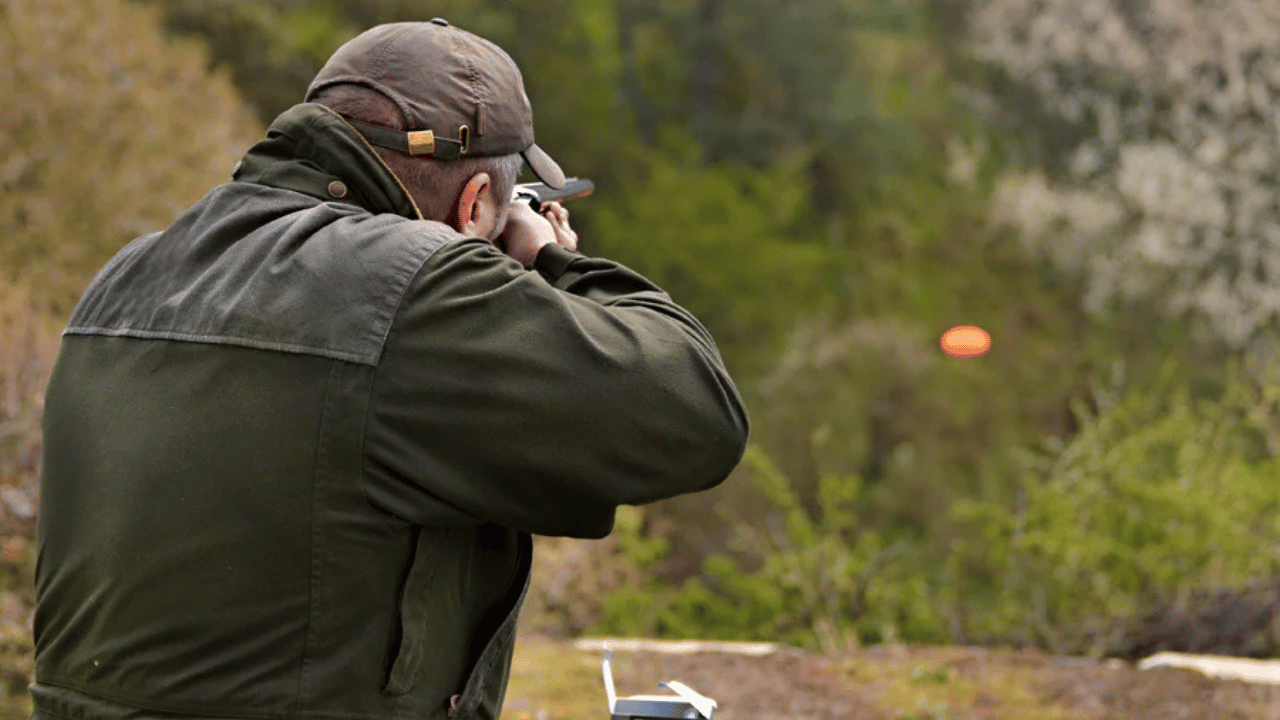
Skeet shooting was developed in the 1920s as a way to mimic the flight pattern of birds. The sport was officially recognized in 1926, and by 1936, it became a part of the Olympic Games. It quickly gained a following due to its dynamic nature, where shooters must react quickly to targets coming from multiple directions.
How Skeet Shooting Works
Skeet shooting involves shooting at clay targets launched from two machines positioned at opposite ends of a semi-circular field. The targets move in crossing paths, and shooters need to hit them as they cross the field.
- Layout of the Skeet Field: The skeet field has eight shooting stations arranged in a half-circle. Two machines launch targets at different speeds and angles from each end.
- Target Speed and Angles: The targets move at different speeds and angles, making them harder to track and shoot. The shooters must adjust their aim and timing to hit the crossing targets.
Equipment Used in Skeet Shooting
Skeet shooting requires gear that can handle rapid, angled target movements.
- Skeet-Specific Gear: Shooters use shotguns with modified chokes, which control the spread of pellets, ensuring precision at high speeds.
- Gun Modifications: A specialized barrel and choke system is often used in skeet shooting to ensure a tighter shot pattern, which is ideal for hitting fast-moving targets at various angles.
Key Differences Between Trap and Skeet Shooting
| Feature | Trap Shooting | Skeet Shooting |
| Number of Stations | 5 shooting stations arranged in a half-circle | 8 shooting stations arranged in a semi-circle |
| Target Launch Mechanism | Clay targets launched from a single machine | Clay targets launched from two machines at opposite ends of the field |
| Target Movement | Targets move in a random direction from the trap | Targets cross each other in the air from opposite ends |
| Target Speed | Targets typically fly in a straight or slightly curved path | Targets move at varying speeds and angles, crossing each other |
| Difficulty Level | Easier to predict target direction, making it more straightforward | More challenging due to the crossing targets and varying speeds |
| Equipment | Standard shotguns with longer barrels and 12-gauge shells | Shotguns with modified chokes for tighter shot patterns |
| Shooting Positions | Shooters rotate through 5 stations | Shooters remain stationary in the designated positions |
| Common Ammo | 12-gauge shotgun shells with lead pellets | 12-gauge shotgun shells with lead pellets |
| History | Originated in the 18th century with live bird shooting | Developed in the 1920s as a way to mimic bird flight patterns |
Which Discipline is Better for Beginners?
When it comes to choosing between trap and skeet shooting as a beginner, trap shooting is generally considered the better option for those just starting out. The simplicity of the layout and the more predictable flight path of the clay targets make it easier to learn the basic skills of shooting. In trap shooting, the targets are launched from a single point, which allows beginners to focus on developing their aim and accuracy without the added challenge of adjusting to targets coming from different directions. Additionally, the shooting positions in trap are fixed, giving beginners more stability as they practice. Skeet shooting, on the other hand, can be more challenging for beginners due to the fast-moving, crossing targets coming from two different directions. The need to track multiple angles and adjust for varying speeds can make it a bit more difficult for newcomers. Overall, trap shooting provides a less complex introduction to the sport, helping beginners build confidence and refine their shooting skills.
Trap vs Skeet: Which Should You Choose?
In the end, the choice between trap and skeet shooting depends on your personal preferences and what you’re looking for in your shooting experience. Trap shooting is generally more straightforward, with targets launched from a single machine in a random direction. This makes it a great starting point for beginners who want to focus on developing their aim and accuracy. It’s a sport that emphasizes consistency and precision. On the other hand, skeet shooting involves more dynamic target movement, with the targets crossing each other at varying speeds and angles. It can be more challenging but also offers a fun, fast-paced experience for those who enjoy the complexity and strategy of shooting at moving targets from multiple directions.
If you’re still unsure, it may be worth trying both disciplines to see which one suits you best. Both sports have their unique appeal, and your choice could come down to whether you prefer a more structured or a more dynamic challenge. If you’re ready to get started or want to upgrade your gear, Victory Ridge Sports has everything you need. From shotguns and ammo to accessories and expert support, you can find quality products in one place. Visit our site to explore the full range and get the right gear for your trap shooting journey.