
Ontario is one of Canada’s premier destinations for duck and goose hunting, with vast marshes, boreal lakes, and productive farmland that draw waterfowl through the province every fall. But before you head to the blind, it’s essential to understand how the season works, because Ontario waterfowl season isn’t a single set of dates. It varies by district, species, and Wildlife Management Unit (WMU), and it comes with specific licensing and equipment rules you must follow.
In this blog post we will walk you through everything you need to know about duck season Ontario and goose hunting, including the four waterfowl districts, season dates, bag limits, the migratory bird licence, and the key rules every hunter needs to follow. Let’s get you ready for the season.
Ontario Waterfowl Season at a Glance
Ontario waterfowl season generally runs from September through January, though exact dates depend heavily on which of the province’s four waterfowl districts you’re hunting in. Duck and goose seasons have their own date ranges and bag limits, and some areas have early seasons and split seasons. Because migratory bird season Ontario dates vary so much by district and WMU, you must always confirm the current dates for your specific location before hunting.
| District | General Season Window | Region Covered |
| Hudson-James Bay | Early September onward | Far north, extensive marshes |
| Northern | Mid-September onward | Kenora to Timmins, boreal lakes |
| Central | Late September onward | Mid-province |
| Southern | Late September – January | Southern Ontario farmland |
Ontario’s Four Waterfowl Districts Explained
The single most important thing to understand about waterfowl season Ontario is the district system, because it determines your season dates and limits. Ontario is divided into four distinct waterfowl hunting districts, each made up of numerous Wildlife Management Units. Getting familiar with this structure is the foundation of planning a legal hunt, and it’s where many hunters, especially newcomers, get confused.
Here’s how the districts break down:
The Four Districts (North to South)
Ontario’s four waterfowl districts are the Hudson-James Bay District in the far north with its extensive coastal marshes, the Northern District running from Kenora to Timmins with its many boreal lakes and rivers, the Central District covering the mid-province region, and the Southern District covering southern Ontario’s productive farmland from WMUs 60 to 95. Each district has its own season dates for ducks and geese, reflecting the timing of the fall migration as birds move south through the province.
How to Find Your District and WMU
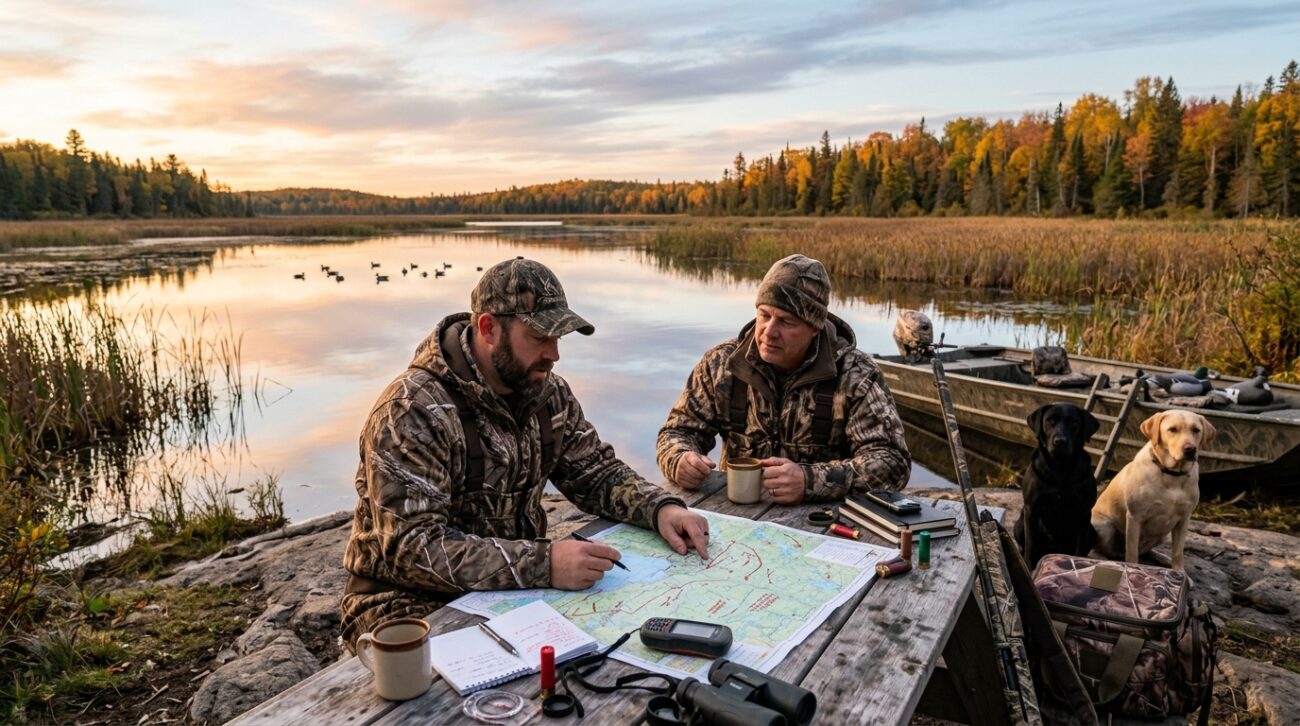
To hunt legally, you need to know both your district and your specific WMU, since dates and rules can vary within a district. The Government of Canada publishes the official dates and boundaries in its summary of migratory bird hunting regulations for Ontario, which is the authoritative source you should always consult before your hunt. The Ontario Ministry of Natural Resources also provides a WMU map to help you identify exactly where you’ll be hunting.
Duck and Goose Season Dates and Bag Limits
Once you know your district, the next step is understanding the specific season dates and bag limits for the birds you’re after. Duck season Ontario and goose season have separate dates and limits, and there are early seasons to be aware of as well. These figures are updated annually and can differ between districts and even municipalities, so treat the following as general guidance and always confirm the current official numbers.
Here’s what to expect:
Duck Season Dates and Limits
Duck season in Ontario generally opens in September and can run into December or January depending on the district, with the southern areas typically having the latest closing dates. The daily bag limit for ducks is commonly six per day, with a possession limit of 18, though species-specific restrictions may apply to certain ducks. Because duck season Ontario dates and limits vary by district, confirming your local regulations is essential.
Goose Season Dates and Limits (Including Early Season)
Goose hunting in Ontario includes both early and regular seasons. Many areas offer an early Canada goose season in early-to-mid September to help manage resident goose populations, followed by the regular season running into the winter months. For 2026, the Canada goose daily bag limit returns to five geese per day for the regular season under the updated harvest strategy. As always, confirm the specific goose season dates and limits for your district before heading afield.
| Bird | Common Daily Limit | Possession Limit |
| Ducks | 6 per day | 18 |
| Canada Geese (regular) | 5 per day | Varies by district |
Licences, Permits, and Key Rules
Beyond knowing the dates, you need the correct licences and must follow several important rules to hunt waterfowl legally in Ontario. Getting your paperwork sorted well in advance is essential, and understanding the equipment rules keeps you compliant and ethical in the field. This is an area where mistakes carry serious penalties, so it’s worth getting right.
Here’s what you need and what rules to follow:
Licences and Permits You Need
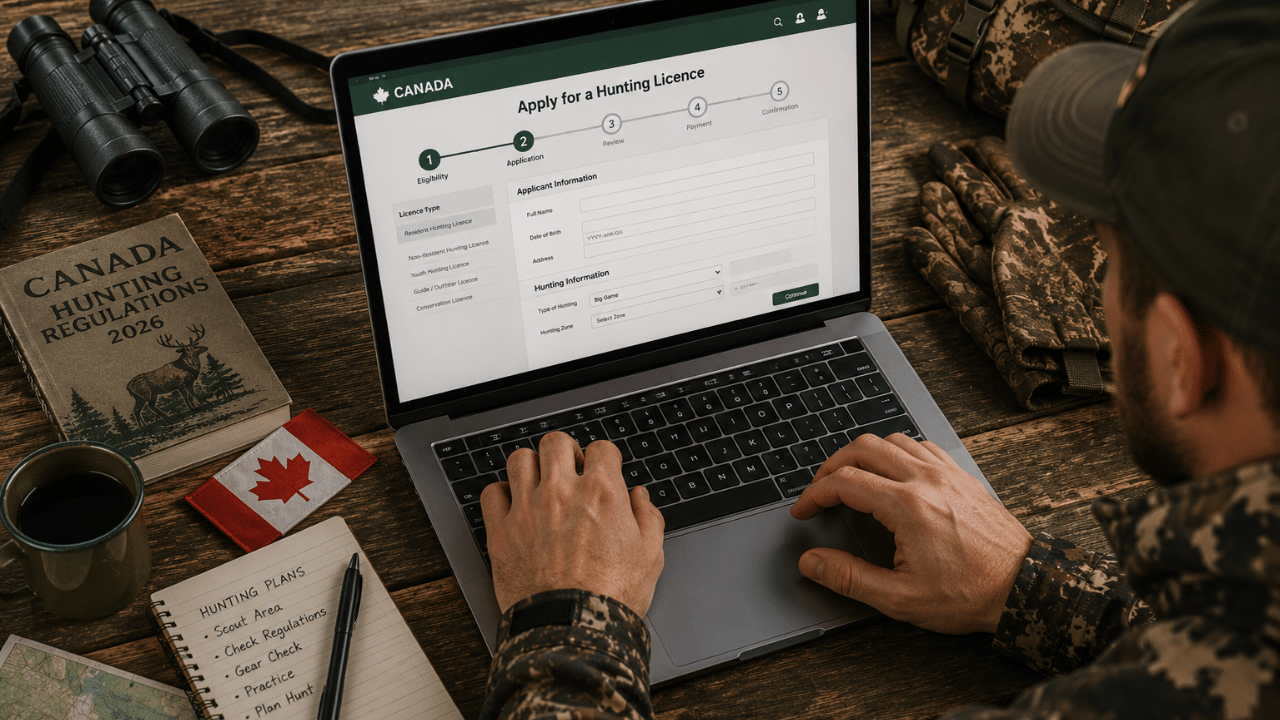
To hunt waterfowl in Ontario, you need several things in place. First, a valid Outdoors Card and an Ontario small game hunting licence with your hunter accreditation on file. Second, and critically, you need a federal migratory bird licence, officially the Migratory Game Bird Hunting (MGBH) permit, along with the Canadian Wildlife Habitat Conservation (CWHC) stamp, which come as a combined permit. If you hunt with a firearm, you also need a valid Possession and Acquisition Licence (PAL). The migratory bird licence Canada requirement is federal, so it applies no matter which province you hunt in, and it’s a legal necessity for all waterfowl hunters.
Non-Toxic Shot Is Mandatory
One of the most important rules to know is that non-toxic shot is mandatory for all migratory bird hunting in Ontario, with the sole exception of woodcock. This means you must use steel, bismuth, tungsten, or another approved non-toxic load rather than traditional lead shot. Lead shot remains banned in National Wildlife Areas and throughout waterfowl hunting, and violations carry serious penalties including fines and equipment seizure. Make sure your ammunition is compliant before you hunt.
The 3-Shell Plug Rule and Sunday Gun Hunting
Federal regulations require that your shotgun be incapable of holding more than three shells total when hunting migratory birds, so you may need to insert a plug into your magazine to comply. Additionally, south of the French and Mattawa rivers, Sunday gun hunting is permitted in some municipalities but not others, and goose season dates in the Southern District can even differ between municipalities based on this. Always check the local rules for the exact area you plan to hunt.
Choosing the Right Shotgun and Gear for Waterfowl
With the regulations understood, the final piece of preparation is having the right equipment for the marsh. Waterfowl hunting places specific demands on your gear, from the shotgun you carry to the clothing that keeps you dry and concealed through long, cold sits. Choosing appropriate equipment makes your hunt safer, more comfortable, and more successful.
Here’s what to look for as you prepare for the season:
Why a Semi-Auto Shotgun Suits the Marsh
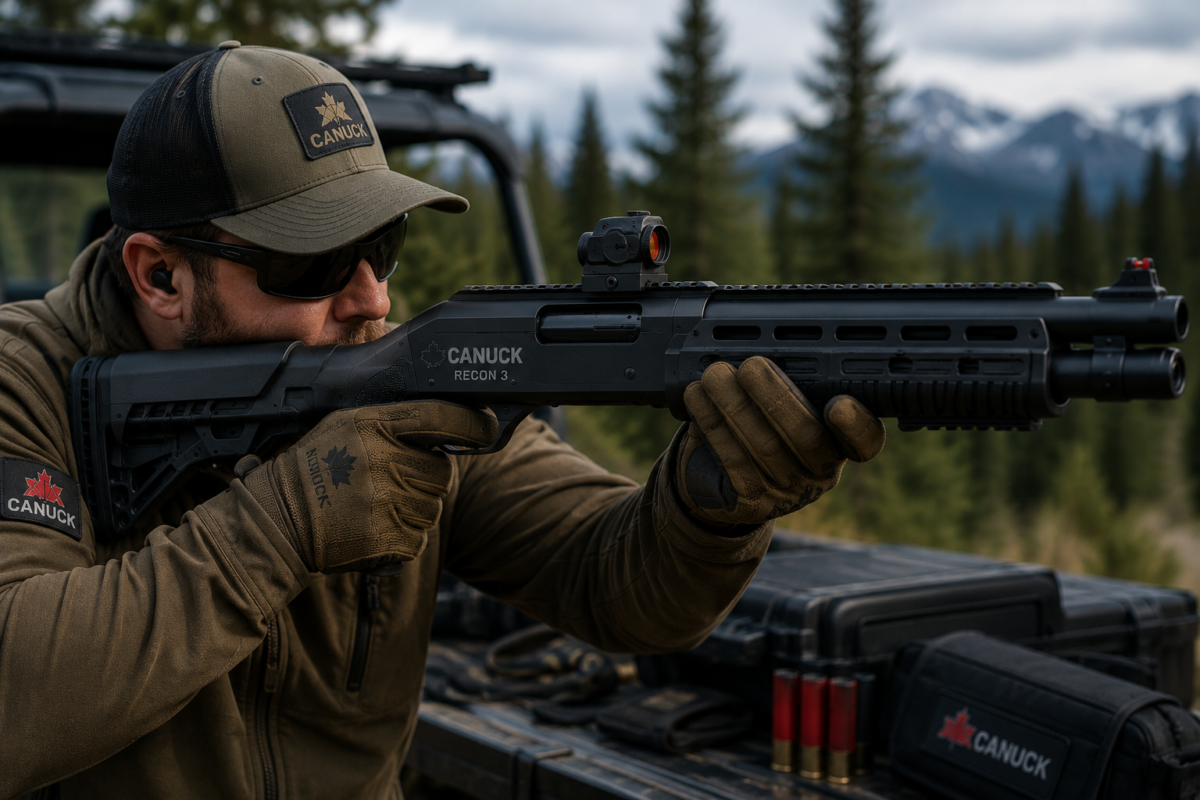
Many waterfowl hunters favour a 12-gauge semi-automatic shotgun because its action reduces felt recoil, which matters when shooting heavy waterfowl loads over a long day, and allows quick follow-up shots on fast-moving or multiple birds. That said, pump-action and over-under shotguns are also popular and effective. What matters most is choosing a reliable shotgun you shoot well and that suits the conditions you’ll face.
Chamber, Chokes, and Non-Toxic Loads
Look for a shotgun with a 3-inch or 3.5-inch chamber so you can run the heavier magnum loads often used for geese and late-season ducks. Because non-toxic shot is mandatory, make sure your barrel and chokes are rated for steel or other non-toxic loads, as some older barrels are not. A modified or improved-modified choke is a versatile starting point for many waterfowl situations, and a camo or non-reflective finish helps with concealment.
Decoys, Calls, Waders, and Concealment
Beyond the shotgun, successful waterfowl hunting relies on good decoys to draw birds within range, calls to get their attention, and effective concealment through blinds and camouflage. Quality waders keep you dry when setting decoys and retrieving birds, and warm, weather-appropriate clothing is essential for comfort during cold, wet hunts. A reliable way to carry your non-toxic shells keeps you organized and efficient in the blind.
Get Ready for Waterfowl Season in Ontario
Ontario waterfowl season offers world-class duck and goose hunting, but success and legal compliance both come down to preparation. Take the time to identify your district and WMU, confirm your specific season dates and bag limits, secure your Outdoors Card, hunting licence, and federal migratory bird licence, and ensure your shotgun and ammunition meet the non-toxic and plugging requirements. Above all, always consult the current official regulations before every season, as dates, limits, and rules can change from year to year.
And when it comes to gearing up for the hunt, Victory Ridge Sports has you covered. Based in Barrie, Ontario, our team of active hunters can help you find everything you need for a successful waterfowl season, from the right shotgun and non-toxic ammunition to decoys, calls, blinds, and cold-weather gear.
FAQ
When does waterfowl season open in Ontario?
Ontario waterfowl season generally runs from September through January, but exact dates vary by the province’s four waterfowl districts (Hudson-James Bay, Northern, Central, and Southern) and by Wildlife Management Unit. Many areas also offer an early Canada goose season in early-to-mid September. Always confirm the current dates for your specific district before hunting.
What licences do you need to hunt waterfowl in Ontario?
To hunt waterfowl in Ontario, you need a valid Outdoors Card, an Ontario small game hunting licence, and a federal migratory bird licence (the Migratory Game Bird Hunting permit) with the Canadian Wildlife Habitat Conservation stamp. If hunting with a firearm, you also need a valid PAL. The migratory bird licence Canada requirement is federal and applies nationwide.
Is non-toxic shot required for duck hunting in Ontario?
Yes. Non-toxic shot such as steel, bismuth, or tungsten is mandatory for all migratory bird hunting in Ontario, with the only exception being woodcock. Lead shot is prohibited for waterfowl hunting, and violations carry serious penalties including fines and equipment seizure.
What is the duck and goose bag limit in Ontario?
The daily bag limit for ducks in Ontario is commonly six per day with a possession limit of 18, though species-specific restrictions may apply. For 2026, the Canada goose daily bag limit returns to five geese per day for the regular season. Limits vary by district, so always verify the current numbers for your area.
What is the best shotgun for waterfowl hunting?
Many waterfowl hunters prefer a 12-gauge shotgun with a 3-inch or 3.5-inch chamber that can run heavier non-toxic magnum loads. Semi-automatic shotguns are popular for their reduced recoil and fast follow-up shots, though pump-action and over-under shotguns are also effective. The best choice is a reliable shotgun you shoot well that’s rated for non-toxic shot.