
Yes, but with a complex web of regulations that every hunter must navigate. Here’s the striking part: Canada is home to over 380,000 black bears and around 25,000 grizzlies, making it one of the top destinations for bear hunting enthusiasts worldwide. But before you grab your gear, there’s more to know than just where to find them.
Bear hunting laws in Canada vary dramatically by province and territory, each with its own set of rules, seasons, and licensing requirements. Some areas permit spring hunts; others don’t. Certain regions allow baiting, while others strictly prohibit it.
Confusing? It can be—unless you understand the legal landscape.
This guide breaks it all down. No fluff, just clear, actionable insights on what’s legal, where, and how to stay compliant. Whether you’re a seasoned hunter or new to the sport, understanding the rules isn’t just smart—it’s essential.
Understanding Bear Species in Canada
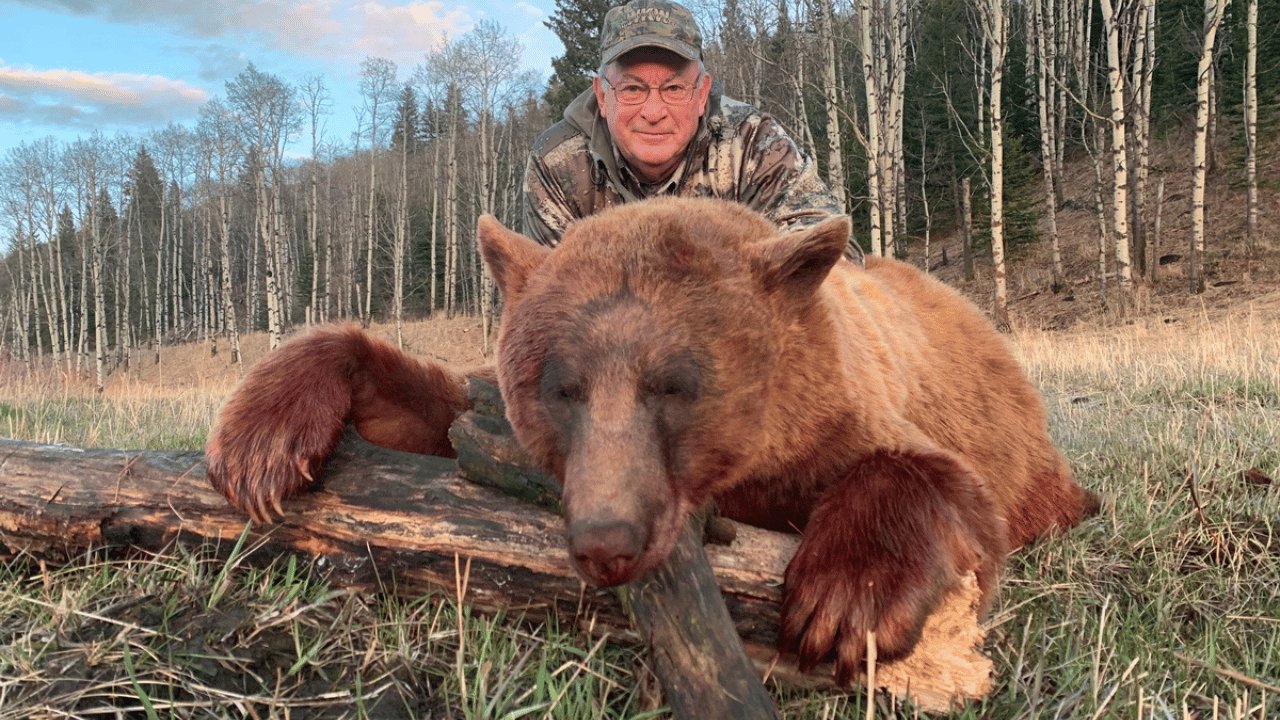
There are two species of bears found in Canada: the brown bear (commonly known as the grizzly bear) and the black bear. Interestingly, despite the name, black bears can have a range of colors, from black to cinnamon, even beige—these are known as color phase bears.
- Grizzly Bear: Legal to hunt only in Yukon, providing an adventure comparable to Alaska or Kamchatka. It’s a rugged, true wilderness hunt.
- Black Bear: Legal to hunt in every province and territory. Hunting methods, seasons, and pricing vary widely.
Bear Hunting Regulations by Province
Bear Hunting in Ontario, Canada
Ontario is a top destination for black bear hunting, especially during the spring bear hunt. Regulations include:
- Seasons: Spring and fall hunts are common. The spring bear hunting Ontario season typically runs from May to mid-June.
- Licensing: Non-residents must hire a licensed guide.
- Methods: Baiting is allowed, making it an accessible option for many hunters.
Other Provinces
- Nova Scotia, New Brunswick, Quebec: Popular for baited hunts near civilization.
- Saskatchewan, Alberta, British Columbia: Known for spot-and-stalk hunts and bear hunts with hounds.
- Yukon: The only province where grizzly bear hunting is legal.
Key Techniques: Bear Shot Placement and Vital Target Areas
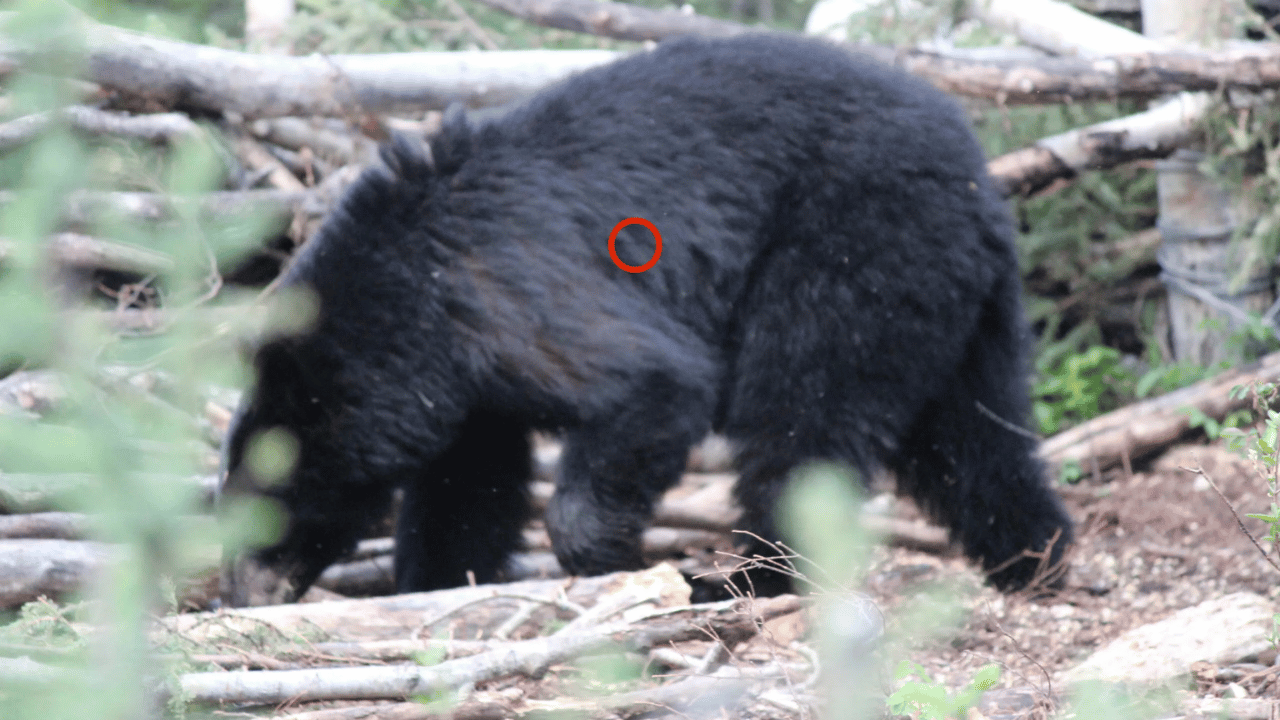
When it comes to ethical hunting, shot placement is critical.
Where Do You Shoot a Bear?
Aim for the vital organs: heart and lungs. This ensures a quick, humane kill.
- Broadside Shot: Aim behind the front shoulder.
- Quartering-Away Shot: Target the opposite shoulder, angling the shot through the vitals.
Vitals of a Black Bear
- Heart: Located low in the chest, slightly forward of the front leg.
- Lungs: Take up a large area behind the heart, making them an effective target.
Best Practices for a Successful Bear Hunt
- Scouting: Understand bear habits in your hunting area.
- Baiting: In allowed provinces, baiting can be effective, but ethical considerations apply.
- Spot-and-Stalk: Requires patience and knowledge of bear behavior.
- Gear: Use high-caliber rifles suitable for large game.
FAQs
What State Is Best for Bear Hunting?
While this article focuses on Canada, in the U.S., Alaska is renowned for both black and brown bear hunting. Other top states include Maine, Montana, and Idaho.
What Do Bears Hunt the Most?
Bears are opportunistic feeders. They hunt small mammals, fish, and occasionally larger game. However, their diet mainly consists of plants, berries, and insects.
How Do You Prepare for a Bear Hunt?
Preparation involves thorough research of hunting regulations, securing the proper licenses, and choosing the right gear. Understanding bear behavior, practicing shot placement, and physical conditioning are also crucial.
What Is the Best Time of Year for Bear Hunting in Canada?
The best time varies by province. Generally, spring bear hunts from May to June and fall hunts from August to November offer prime opportunities, depending on the region and bear activity.
Final Thoughts
Bear hunting in Canada offers diverse experiences, from the rugged wilderness of Yukon to accessible, guided hunts in Ontario. Understanding the legal landscape, respecting ethical hunting practices, and honing your skills ensure not only a successful hunt but also contribute to wildlife conservation efforts.
Hunting is more than a sport—it’s a responsibility. By staying informed, prepared, and ethical, hunters can continue to enjoy Canada’s vast wilderness while preserving it for future generations. Happy hunting and stay safe!