

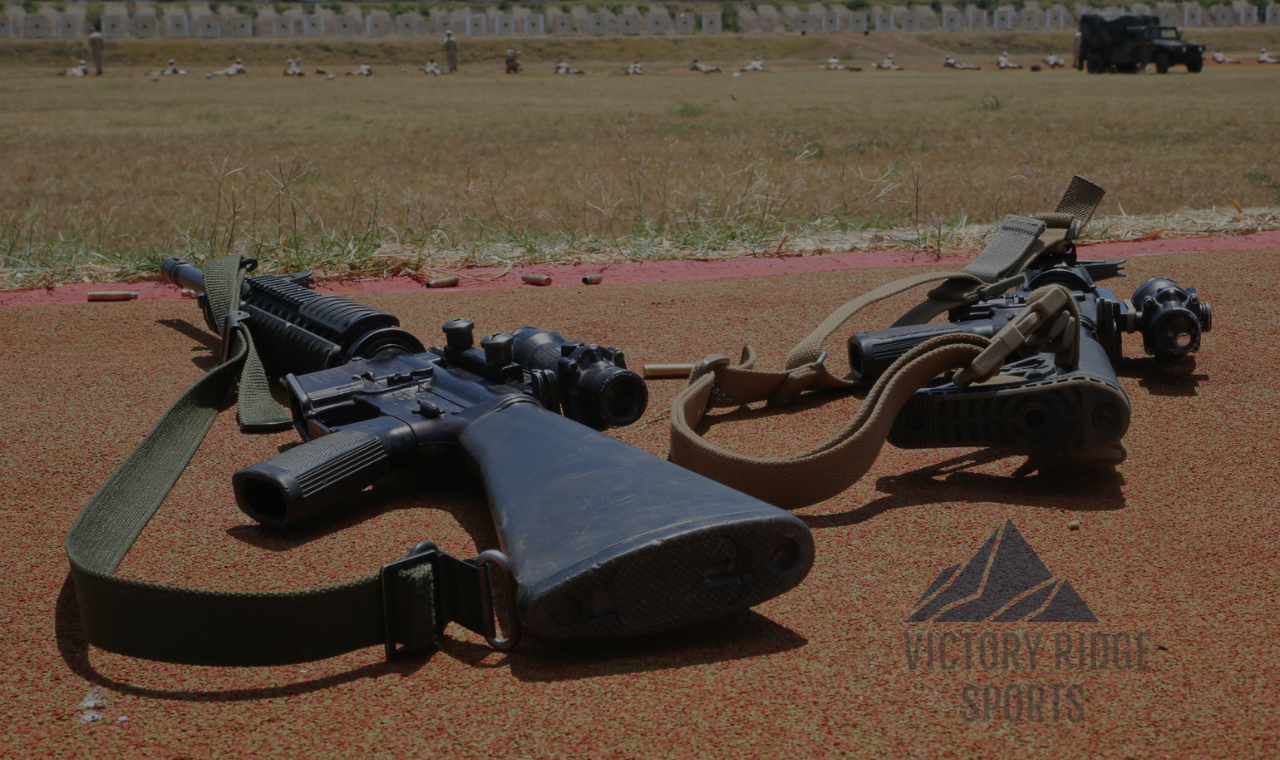
Moving hunting equipment is often more complicated than moving ordinary household belongings. The challenge isn’t limited to firearms; hunting gear typically includes ammunition, knives, bows, optics, decoys, specialized clothing, and outdoor equipment, all of which require different handling methods.
Many professional moving companies will not transport firearms, ammunition, or certain hunting-related items due to liability concerns and company policies. Even when transportation is legally permitted, movers may decline these items to avoid regulatory risks and insurance complications. As a result, homeowners often need to arrange separate transportation for some of their hunting equipment. To avoid disappointment and prepare more effectively, provide a detailed description of the items you need to move when requesting your moving quote at https://paramountmoving.ca/.
Planning to Move Your Equipment
If you are transporting your own hunting equipment, make sure you comply with Canadian firearm transportation requirements, which differ depending on your firearm’s classification.
For non-restricted firearms (most common hunting rifles and shotguns), an individual may transport the firearm only if it is unloaded. If left unattended in a vehicle, it must be out of sight and unloaded, and the vehicle locked. You do not need an Authorization to Transport for non-restricted firearms that you transport yourself.
For restricted or prohibited firearms, the rules are stricter. They must be unloaded, trigger-locked, and in a locked, opaque case. In addition, licensed owners of registered firearms must obtain an Authorization to Transport (ATT) from the provincial or territorial Chief Firearms Officer to transport a restricted or prohibited firearm to any place other than an approved shooting club or range within the owner’s province of residence, or to the firearm’s place of storage after purchase. Note that moving to a new home generally falls outside the automatic ATT, so confirm with your CFO before transporting.
An important 2026 update to be aware of: a Criminal Code amnesty period for newly prohibited firearms is in effect until October 30, 2026. After that date, possession of these firearms without a specific authorization becomes a criminal offense. If you’re unsure whether any of your firearms have been reclassified, you can call the Canadian Firearms Program Contact Centre at 1-800-731-4000 to confirm.
When transporting restricted or prohibited firearms by mail, Canada Post’s most secure method, which requires a signature upon delivery, must be used.
Handling Large and Bulky Gear
Gun safes, tree stands, hunting blinds, large coolers, and specialized outdoor gear often require more space than standard household items. Their weight and shape can make them difficult to load and unload, especially through stairs, narrow hallways, or apartment buildings. Plan your transportation route at both the old and new locations in advance.
You may also want to transport valuable hunting gear separately. High-quality optics, rangefinders, scopes, and specialized equipment are prone to damage, theft, or loss, and replacing them can be very expensive.
Take environmental conditions into account. Moisture can damage firearms, ammunition, optics, and metal accessories, while extreme temperatures may affect certain materials and adhesives. During a move, these items may be exposed to conditions they wouldn’t normally encounter in storage.
Tips for Safely Packing Hunting Equipment
Separate regulated and non-regulated items. Keep firearms, ammunition, documents, licenses, and other regulated items separate from general hunting gear. This makes transportation and inventory management easier while ensuring compliance with applicable requirements. Remember that storage rules differ from transport rules: when a non-restricted firearm is being stored, it must be secured with a locking device or stored in a locked container, cabinet, vault, safe, or room.
Use dedicated protective cases. Hard cases or padded protective cases provide better protection for firearms, optics, and other delicate equipment. Sensitive gear should not be packed loosely among household items where it could shift during transit.
Control moisture exposure. Before packing, thoroughly clean and dry your hunting equipment. Place moisture-absorbing packets inside storage cases to protect metal components and optics from corrosion during transportation.
Create a detailed inventory. Prepare a written list of all hunting equipment before moving day. Recording serial numbers and model information and photographing valuable items can help you stay organized, assist with insurance claims if necessary, and ensure that all equipment arrives safely at your new location.


