







Blog
Shooting Practice Tips That Actually Improve Your Accuracy. From Beginners to Advanced

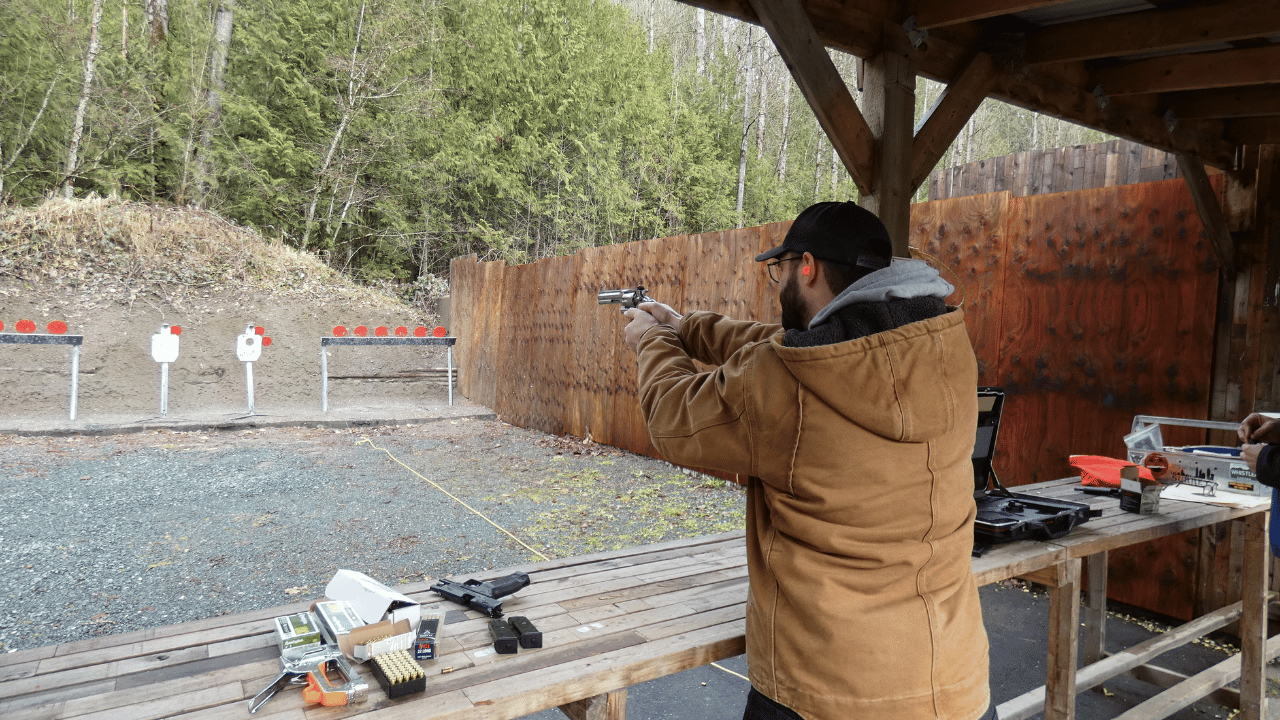
Most shooters hit the range, burn through a box of ammo, and leave without getting any better. That’s not shooting practice, that’s expensive noise. Real improvement comes from structured drills, consistent repetition, and understanding what you’re actually doing wrong behind the trigger and it all comes with just practicing.
Whether you’re a first-time PAL holder learning to shoot or a seasoned hunter preparing for deer season, the fundamentals of accurate shooting practice don’t change. What changes is how you apply them. In this blog post we will walk you through a complete progression from mastering stance and trigger control to running timed field-position drills that simulate real hunting pressure.
We’ve also included dry fire routines you can do at home for free, a pre-season training plan, and honest gear recommendations to make every range session count. No generic tips. No filler. Just the shooting practice framework that actually puts rounds where they belong.
Why Most Shooters Never Improve. And How Structured Practice Changes Everything?
Here’s an uncomfortable truth: most recreational shooters are no more accurate today than they were two years ago. They own better gear, they’ve watched more YouTube videos, and they’ve spent thousands on ammunition, but their groups haven’t tightened. The problem isn’t talent or equipment. It’s the absence of intentional, structured shooting practice.
The Difference Between Shooting and Practicing
Going to the range and firing 50 rounds at a paper target is shooting. Practicing is showing up with a specific goal, tighten your 100-yard group by half an inch, eliminate your flinch, or master a kneeling-to-prone transition in under four seconds. Shooting without a plan reinforces whatever habits you already have, good and bad. Structured shooting practice isolates one skill at a time, measures it, and forces deliberate improvement. If you leave the range without knowing exactly what got better, you weren’t practising, you were plinking.
Accuracy vs. Precision. Why You Need to Train for Both
These two words get used interchangeably, but they mean very different things behind the trigger. Accuracy is hitting what you’re aiming at, and your shots land where you intended. Precision is consistency: your shots land in the same spot every time, whether or not that spot is the bullseye. A shooter who groups five rounds into a tight cluster two inches left of centre is precise but not accurate. A shooter who scatters rounds around the bullseye is accurate on average but not precise. Effective shooting practice trains both. You need precision first repeatable form and trigger control that produces tight groups. Then you adjust your zero or correct your hold to move those groups onto the target. Training one without the other is half the job.
How Much Shooting Practice Do You Actually Need?
Less than you think, if it’s focused. Twenty deliberate rounds with a clear objective will do more for your accuracy than 200 rounds of casual blasting. Research and competitive shooting coaches consistently recommend short, frequent sessions over long, exhausting range days. Your concentration degrades after about 30–45 minutes of focused shooting, and fatigue introduces bad habits that undo what you built in the first magazine. A realistic schedule for most Canadian shooters is 15–20 minutes of dry fire at home two to three times per week, combined with one focused live-fire range session per month. That’s roughly 50–75 live rounds monthly. Over a year, that structured approach will outperform the shooter who dumps 500 rounds in a single weekend and doesn’t return until hunting season.
The 5 Fundamentals Every Shooter Must Master First
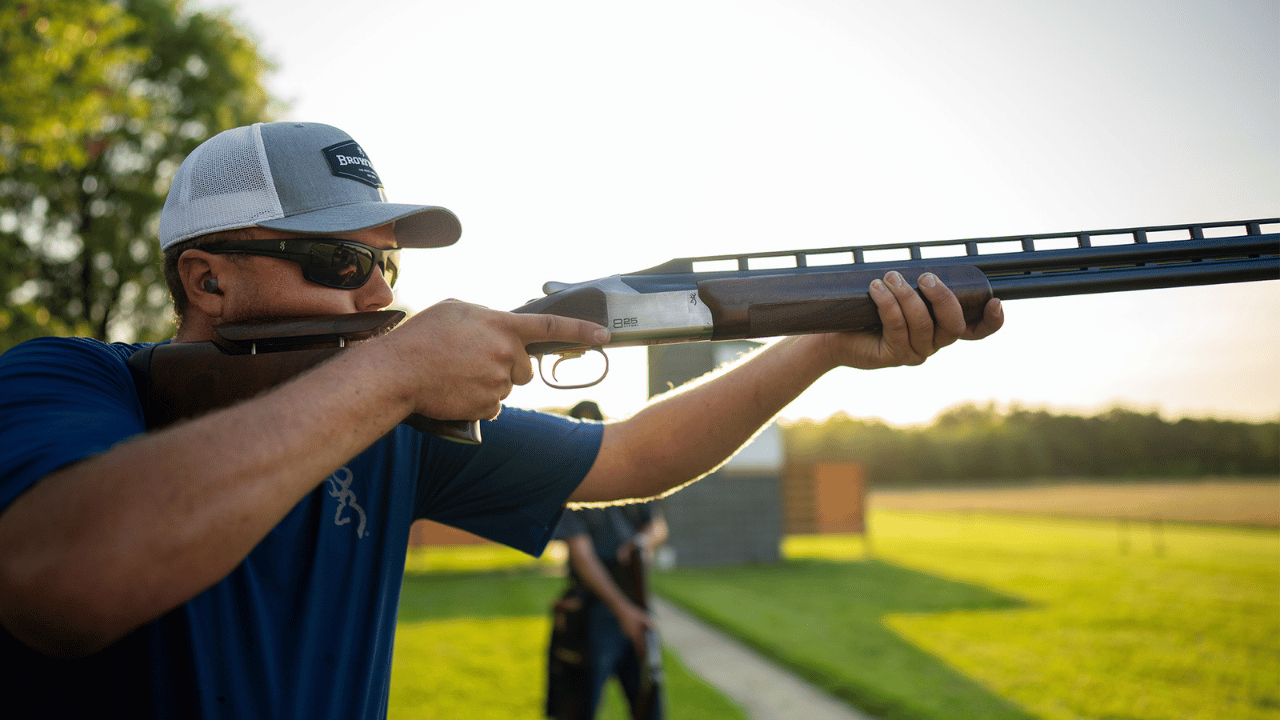
Before you run drills, buy gear, or chase tighter groups at distance, you need to lock in the five core fundamentals. Every accurate shot in history, whether from a benchrest competitor or a backcountry hunter, comes down to these same building blocks. Master them during your shooting practice sessions and everything else gets easier.
Here are the top skills every shooter should learn:
1. Stance and Body Position: Building a Stable Platform
Your body is the foundation your rifle or handgun sits on. If the foundation shifts, the shot shifts. For rifle shooting, plant your feet shoulder-width apart with your support-side foot slightly forward. Lean your weight gently into the gun rather than away from it. Your body should absorb recoil, not fight it. For standing rifle shots, keep your elbows tucked and let your skeletal structure bear the weight rather than muscling the rifle into position with tension. Tension creates tremor. Bone support creates stability. When shooting from a bench or prone, make sure your body is aligned naturally behind the rifle so you’re not twisting or straining to reach the target. A simple test: close your eyes, settle into position, then open them. If your crosshairs drift off target, your body alignment is wrong.
2. Grip: How to Hold a Rifle and Handgun Correctly
With a rifle, your grip should be firm but relaxed. Your trigger hand wraps the pistol grip or stock wrist with consistent pressure, and your support hand pulls the rifle into your shoulder. Squeezing too hard creates muscle fatigue and micro-tremors that show up on paper. With a handgun, grip is even more critical. Your dominant hand sits high on the backstrap with no gap between the web of your hand and the beaver tail. Your support hand fills the remaining space on the grip panel, fingers wrapped over your dominant hand. Both thumbs point forward. The goal is 360 degrees of contact with zero air gaps. Every space between your hand and the gun is room for the firearm to move under recoil.
3. Sight Alignment and Sight Picture: Where Your Eyes Should Focus
This is where most beginners go wrong. Your eyes naturally want to focus on the target, but accurate shooting demands that you focus on the front sight. With iron sights, the front post should be sharp and clear while the rear notch and the target appear slightly blurry. Centre the front post in the rear notch, then place that aligned picture on your point of aim. With a scope, focus on keeping your cheek weld consistent so the sight picture is full and free of shadow around the edges. Scope shadow means your eye isn’t centred behind the optic, and your point of impact will shift. With a red dot, the process simplifies. Place the dot on target and press the trigger. Regardless of your sighting system, consistency is the key. Same cheek pressure, same eye position, every single shot.
4. Trigger Control: The Single Biggest Accuracy Killer
You can have perfect stance, perfect grip, and a flawless sight picture, and still miss because of a bad trigger press. The trigger should move straight to the rear with smooth, even pressure. No jerking. No slapping. No squeezing your whole hand. Use the pad of your index finger, centred between the fingertip and the first joint, and press through the break as if you’re slowly increasing pressure until the shot surprises you. The moment you anticipate the shot and try to time the recoil, your muzzle dips and the round drops low. This is called flinching, and it is the number one reason shooters miss. The cure is dry fire practice, where you train your brain to press the trigger without bracing for a bang that never comes. Ten minutes of dry fire focused purely on trigger control will improve your shooting practice results faster than anything else on this list.
5. Breathing: When to Breathe, When to Hold, When to Squeeze
Every breath you take moves your chest, your shoulders, and your muzzle. That’s fine when you’re not on the trigger, but it’s a problem the instant you need to break a clean shot. The solution is the natural respiratory pause. Inhale normally, exhale slowly, and at the bottom of your exhale there’s a brief, natural pause where your body is relaxed and still. That pause is your shooting window. Don’t force it. Don’t hold your breath until your face turns red and your muscles start shaking. A forced hold creates tension, and tension kills accuracy. If the shot doesn’t break within 3 to 5 seconds of your respiratory pause, stop, breathe again, and reset. Rushing a shot during oxygen debt is how you develop bad habits that take months to undo. Patience at the trigger is a skill, and like every other fundamental, it only improves with deliberate shooting practice.
Final Thoughts: Accuracy Is Built, Not Born
Nobody picks up a rifle for the first time and shoots perfectly. Every accurate shooter you admire got there through deliberate, structured shooting practice repeated over weeks, months, and years. The good news is that improvement doesn’t require a massive time commitment or an expensive setup. Fifteen minutes of dry fire at home, one focused range session a month, and a clear plan for what you’re working on will put you ahead of 90% of recreational shooters.
At Victory Ridge Sports, we help Canadian hunters and shooters build the right setup for serious practice. From bolt action rimfire trainers and quality optics to ammunition and range accessories, our team in Barrie, Ontario knows what works because we use it ourselves. We offer expert guidance, competitive pricing, and free shipping on orders over $250 Canada-wide.
Ready to make every round count? Browse our full firearms and accessories collection or stop by our store and let’s talk about your goals.