




Blog
5 Best Canadian Province for Deer Hunting by Deer Type

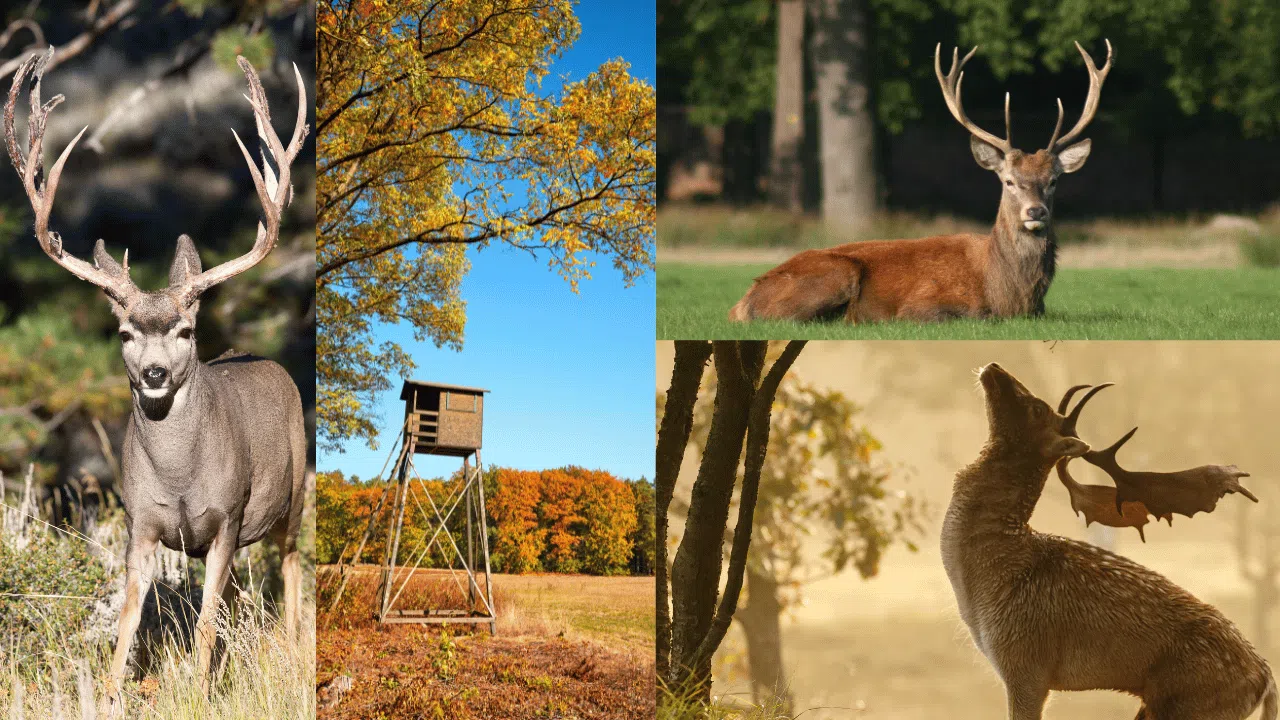
Canada is one of the best destinations in the world for deer hunting. With its vast and diverse landscapes, each province offers unique opportunities for hunting different deer species. Depending on the type of deer you are targeting—whether it’s white-tailed, mule, or black-tailed—the best location may vary.
This guide provides a detailed breakdown of the top Canadian provinces for hunting specific types of deer, regulations, hunting conditions, essential gear recommendations, and the most rewarding experiences each location offers.
Overview of Deer Hunting Provinces
Canada offers three main deer species for hunting: white-tailed deer, mule deer, and black-tailed deer.
The choice of the best province to hunt these deer species largely depends on the type of experience you seek, from trophy hunting to accessible hunts.
Here is a summary of the best Canadian province for deer hunting:
| Province | Best For | Key Deer Species | Notable Regions |
|---|---|---|---|
| Saskatchewan | Trophy White-Tail | White-Tailed Deer | Farmland and Boreal Forest |
| Alberta | Mule Deer & White-Tail | Mule Deer, White-Tailed Deer | Northern Farmland, Foothills |
| Ontario | Accessible Hunts | White-Tailed Deer | Various WMUs across Ontario |
| British Columbia | Rugged Hunting | Black-Tailed Deer | Coastal Rainforest, Mountainous |
| Manitoba | Trophy Hunts | White-Tailed Deer | Duck Mountains, Remote Forests |
Best Canadian Provinces for Specific Deer Species
Manitoba: Trophy White-Tailed Deer Hunts
- Why Manitoba?: Manitoba is well known for its trophy white-tailed deer. The province’s diverse habitats, including boreal forests, farmland, and the Duck Mountains, provide excellent conditions for deer to grow large and healthy. Manitoba is an ideal destination for hunters seeking big-bodied bucks with impressive antlers.
- Key Areas: The Duck Mountains and remote forest areas are popular spots for finding trophy white-tails. The combination of food-rich environments and minimal hunting pressure makes these regions a prime location for mature deer.
- Hunting Seasons: Manitoba offers various hunting seasons for different weapons, including archery, muzzleloader, and rifle. The seasons typically begin in late September for archery and extend into November for rifle hunts.
Recommended Gear for Manitoba:
- All-Terrain Boots: Manitoba’s terrain can vary significantly, so sturdy, all-terrain boots are essential for navigating through dense forests and uneven landscapes.
- High-Quality Binoculars: Spotting deer in the thick woods of Manitoba requires excellent optics. A pair of high-quality binoculars will help you locate deer from a distance and evaluate their size before making a move.
Saskatchewan: Trophy White-Tailed Deer
- Why Saskatchewan?: Saskatchewan is known for its large-bodied, heavy-antlered white-tailed deer. The vast farmlands and boreal forests create the perfect habitat for deer to thrive. The province is famous for producing some of North America’s best trophy white-tails, drawing hunters from around the world. Saskatchewan’s reputation as a prime deer hunting destination is largely due to its combination of fertile farmland and dense woodlands, which provide the necessary resources for deer to grow to impressive sizes.
- Key Areas: Focus on areas near the boreal forest and farmland fringes, which are home to a healthy deer population. These regions not only have abundant food sources but also provide cover for deer, making them ideal for hunters who are after a challenge and a potential trophy.
- Hunting Seasons: The hunting season varies by Wildlife Management Unit (WMU), but typically the rifle season starts in late October and runs through November. Saskatchewan also offers special bow hunting seasons earlier in the fall, which provide excellent opportunities for hunters looking to get ahead of the firearm season.
Recommended Gear for Saskatchewan:
- Long-Range Rifle: Given the open areas, a high-quality long-range rifle is crucial. Saskatchewan’s vast, open fields often require shots at considerable distances, making a reliable long-range rifle an essential piece of gear.
- Cold Weather Gear: Hunting here can be very cold, so gear for extreme weather conditions is recommended. Insulated boots, gloves, and base layers are critical for staying comfortable and focused during long hours in the field.
Alberta: Mule Deer and White-Tailed Deer
- Why Alberta?: Alberta offers excellent opportunities for hunting both mule deer and white-tailed deer. The province’s northern farmland and foothills provide ideal conditions for mule deer, which are known for their impressive antler sizes. Alberta’s varied landscape, which includes rolling foothills, forests, and expansive prairies, makes it a top choice for hunters seeking both challenging terrain and rewarding hunts.
- Key Areas: The northern regions where farmland meets forested areas are the best locations to find large mule deer. These transition zones provide ample food and cover, making them prime locations for deer to thrive and for hunters to find mature bucks.
- Hunting Seasons: The best time to hunt is during the rut in November, when deer are most active. During the rut, bucks are more likely to be on the move and less cautious, providing hunters with a greater chance of encountering a mature deer.
Recommended Gear for Alberta:
- Spotting Scope: Useful for identifying mule deer across open landscapes. A good spotting scope allows hunters to glass vast areas and locate deer from a distance, saving time and energy during the hunt.
- Camouflage Gear: Blending into the environment is crucial, as deer here are wary of hunters. Alberta’s diverse terrain may require different types of camouflage depending on whether you are hunting in forested areas or more open grasslands.
Ontario: Accessible White-Tailed Deer Hunts
- Why Ontario?: Ontario offers one of the most accessible white-tailed deer hunting experiences. With numerous WMUs, there are flexible options for various skill levels. Ontario’s terrain ranges from dense forests to more open farmland, making it versatile for different hunting methods. Whether you are an experienced hunter or a beginner, Ontario provides ample opportunities to have a successful hunt.
- Key Areas: The WMUs in Northern and Southern Ontario have abundant deer populations, with accessible public lands and managed hunts. The mix of private and Crown land provides hunters with a range of options, whether they prefer remote wilderness areas or more accessible locations close to urban centers.
- Hunting Seasons: The seasons vary across WMUs, with bow, shotgun, and rifle seasons available depending on the area. Some areas have controlled hunts with specific quotas, while others offer more open seasons that allow greater flexibility for hunters.
Recommended Gear for Ontario:
- Tree Stand or Ground Blind: Useful depending on the type of terrain and hunting method. Tree stands are ideal for forested areas, while ground blinds work well in more open environments where cover is limited.
- Flexible Clothing: Layers are ideal for changing weather conditions, especially during fall. Ontario’s weather can vary significantly throughout the day, so being able to add or remove layers is key to staying comfortable.
British Columbia: Rugged Black-Tailed Deer Hunts
- Why British Columbia?: BC’s black-tailed deer thrive in the rugged coastal regions and mountainous terrains. The challenging landscape makes for a rewarding hunting experience. British Columbia’s natural beauty, with its coastal rainforests and mountainous backdrops, offers hunters not only the thrill of the hunt but also stunning scenery that makes every trip memorable.
- Key Areas: Vancouver Island and the coastal mainland are prime areas for black-tailed deer. These areas are characterized by dense forests and steep terrain, which provide both a challenge for hunters and an ideal habitat for deer.
- Hunting Seasons: Black-tailed deer hunting season generally runs from September to December. Early in the season, hunters can take advantage of warmer weather, while later in the season, the rut provides increased opportunities to spot bucks on the move.
Recommended Gear for BC:
- Rainproof Clothing: The coastal regions are known for heavy rainfall, so waterproof gear is essential. High-quality rain jackets and pants are necessary to stay dry and comfortable in the often wet conditions.
- Mountain Boots: Sturdy boots are needed for navigating the rugged terrain. The steep, rocky areas of BC require footwear that provides excellent support and traction to safely traverse the challenging landscape.
Hunting Gear: Best Rifles, Bows, Shotguns, and Knives for Deer Hunting
When it comes to deer hunting, choosing the right gear can make a significant difference in your hunting success.
Here are some of the best options for rifles, bows, shotguns, and knives for deer hunting in Canada.
Best Rifles for Deer Hunting
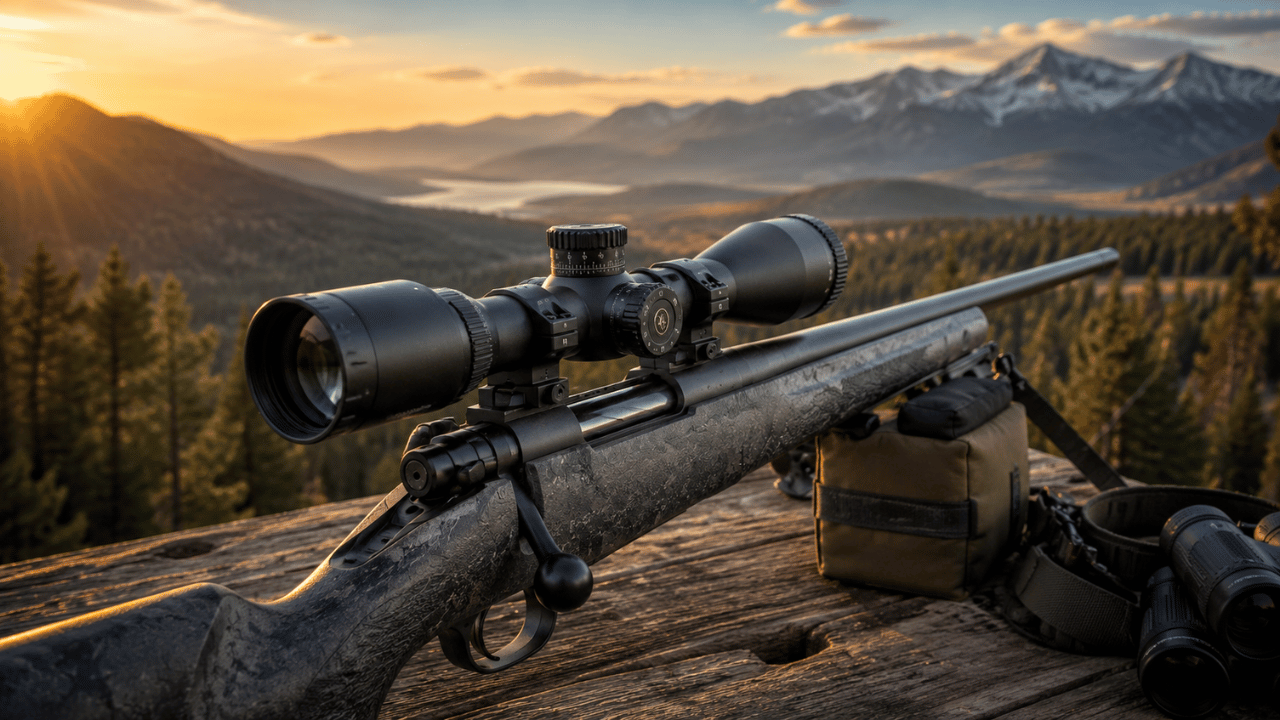
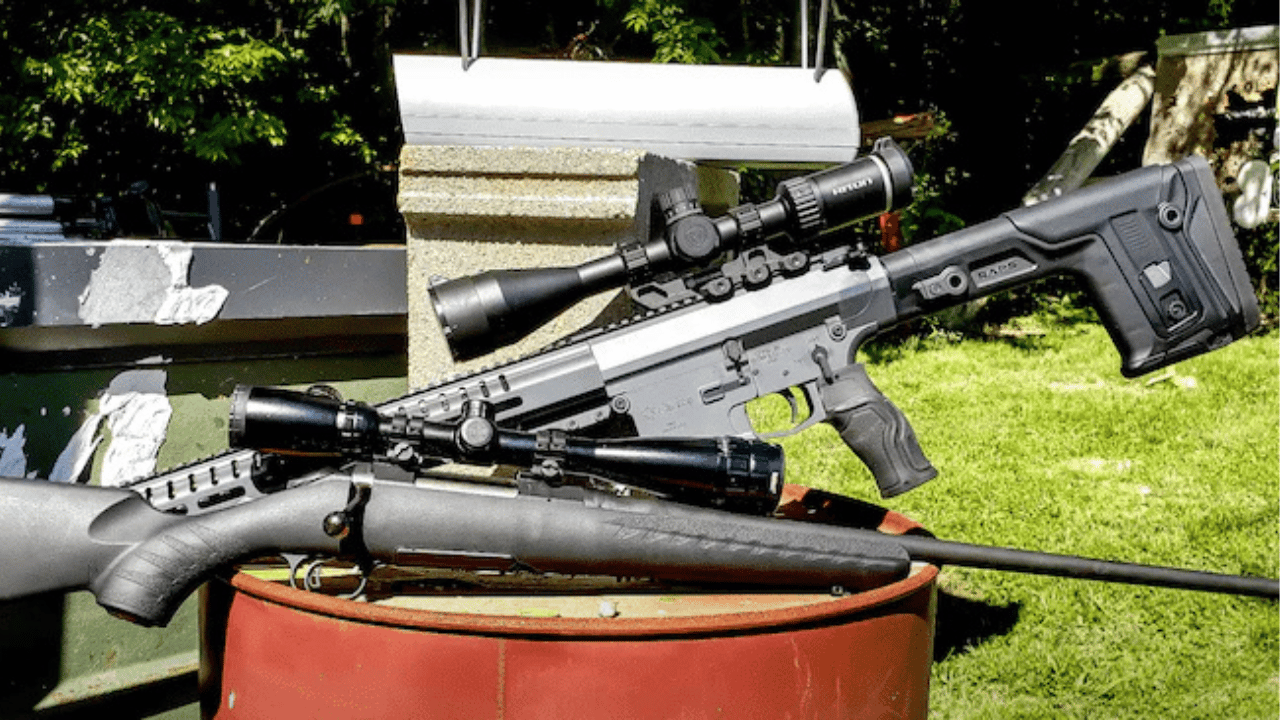
- Remington Model 700: This classic bolt-action rifle is a favorite among hunters for its reliability and accuracy. It’s available in various calibers, including .30-06 and .270 Winchester, both of which are excellent choices for deer hunting.
- Browning X-Bolt: Known for its smooth action and precision, the Browning X-Bolt is another top choice for deer hunters. It features a free-floating barrel and adjustable trigger, providing excellent accuracy at longer distances.
- Tikka T3x Lite: Lightweight yet powerful, the Tikka T3x Lite is ideal for hunters who need to cover a lot of ground. Its durability and accuracy make it perfect for hunting in various terrains, from open fields to dense forests.
Best Bows for Deer Hunting
- Mathews V3: The Mathews V3 is a versatile compound bow known for its smooth draw cycle and excellent accuracy. It’s perfect for hunters looking for a high-performance bow that can handle a variety of hunting situations.
- Hoyt RX-7: The Hoyt RX-7 is a top-tier compound bow that combines speed, accuracy, and comfort. Its carbon construction makes it lightweight, which is ideal for long hunting sessions.
- Bear Archery Species: For those new to bow hunting, the Bear Archery Species is a great option. It’s affordable, easy to use, and provides reliable performance, making it an excellent choice for beginner hunters.
Best Shotguns for Deer Hunting
- Remington 870: The Remington 870 is a versatile pump-action shotgun that’s been a staple in the hunting community for decades. It’s reliable, durable, and works well for hunting deer in areas where shotguns are required.
- Mossberg 500: Another popular choice, the Mossberg 500 is known for its ruggedness and versatility. It can be used with rifled slugs or buckshot, making it a great option for deer hunting in thick brush or wooded areas.
- Benelli Super Black Eagle 3: For hunters looking for a semi-automatic shotgun, the Benelli Super Black Eagle 3 offers excellent reliability and performance. Its inertia-driven system ensures smooth cycling, even in harsh conditions.
Best Knives for Deer Hunting
- Buck 119 Special: The Buck 119 Special is a classic fixed-blade knife that’s perfect for field dressing deer. Its sturdy construction and sharp blade make it a reliable tool for processing game.
- Havalon Piranta: Known for its replaceable blades, the Havalon Piranta is ideal for hunters who want a razor-sharp knife without the need for sharpening. It’s lightweight and easy to carry, making it a favorite for field dressing.
- Gerber StrongArm: The Gerber StrongArm is a durable fixed-blade knife with a comfortable grip. Its full-tang design ensures strength, and it’s versatile enough for both field dressing and general outdoor use.
Hunting Regulations & Licensing Overview
The regulations for deer hunting in Canada differ by province, with specific requirements based on the species and the area you wish to hunt. Understanding these regulations is crucial for a successful and legal hunting experience.
Here’s a quick comparison of licensing fees and requirements:
| Province | Resident Deer License | Non-Resident Deer License | Additional Tag Info |
| Ontario | $43.86 CAD | $240.81 CAD | Antlerless tags available via draw |
| Saskatchewan | $39 CAD | $330 CAD | Draw required for certain regions |
| Alberta | $68.22 CAD (Wildlife Cert.) | $132.25 CAD (Non-Resident Deer License) | Non-residents must hunt with guide |
| British Columbia | $32 CAD | $125 CAD | Big game license required |
Important Regulations to Note:
- Non-Residents: Most provinces require non-residents to hunt with a licensed guide or outfitter, especially for big game. This ensures that non-resident hunters are familiar with local regulations and hunting conditions, promoting both safety and conservation.
- Tags and Quotas: Some provinces, like Ontario, require hunters to enter a draw system for antlerless tags, and these tags may be limited. Quotas are used to manage deer populations and ensure sustainable hunting practices.
- Reporting Requirements: Harvest reporting is mandatory in most provinces, regardless of success. This data is essential for wildlife management and helps provincial authorities set future quotas and seasons.
Tips for Choosing Your Hunting Destination
- Determine the Species: Choose the province based on the deer species you’re most interested in hunting. For trophy white-tail, head to Saskatchewan. For mule deer, Alberta is the top choice. Consider what type of deer you want to pursue and what kind of hunting experience you prefer, whether it’s a challenging mountain hunt or a more accessible farmland hunt.
- Consider the Terrain: If you enjoy a challenging landscape, British Columbia’s coastal and mountainous terrain is ideal. For a more accessible experience, Ontario offers a mix of terrains suitable for all levels. Each province’s terrain presents unique challenges, from the dense coastal forests of BC to the wide-open prairies of Alberta.
- Licensing and Costs: Take into account the cost of non-resident licenses and the need for additional tags. Ontario is more accessible for non-residents, while Saskatchewan offers trophy hunts at a higher cost. Budgeting for licenses, guides, and equipment is an important part of planning a successful hunting trip.
Wildlife Management Units (WMUs) and Season Details
Each province has its own system of WMUs, which dictates the hunting seasons, regulations, and quotas. Understanding the WMUs is key to planning your hunt effectively and ensuring that you are in the right area at the right time. Here are some examples of notable WMUs across popular deer-hunting provinces:
- Ontario: WMU 47 and WMU 49 are known for high deer densities and well-managed seasons. These areas are popular among hunters due to their accessibility and the quality of hunting opportunities available.
- Alberta: WMU 357 in the northern region is known for its large mule deer population and open farmland, perfect for spot-and-stalk methods. The mix of agricultural land and forested areas provides excellent habitat for deer.
- Saskatchewan: Units near Prince Albert National Park offer good opportunities for both white-tailed and mule deer. The proximity to the national park means these areas often have healthy deer populations due to limited hunting pressure within the park itself.
Recommended Outfitters by Province
If you are looking for a guided hunting experience, here are some of the top outfitters to consider. Guided hunts can provide access to prime hunting areas, expert knowledge, and a greater chance of success, especially for non-resident hunters unfamiliar with the local terrain.
- Saskatchewan: Timberlost Outfitting – Specializes in guided trophy white-tailed deer hunts, with a focus on delivering a quality hunting experience. Timberlost Outfitting has a reputation for providing access to some of the best hunting areas in the province, maximizing the chances of harvesting a trophy buck.
- Alberta: Burnt Lake Outfitters – Offers specialized mule and white-tailed deer hunts during peak rut seasons. Their experienced guides know the best locations and techniques for finding mature bucks in Alberta’s varied landscape.
- Ontario: Pickerel Lake Outfitters – Located in Northwestern Ontario, ideal for those looking for a memorable hunting trip with expert guidance. The outfitter offers a range of hunting packages that cater to different skill levels and preferences.
- British Columbia: Vancouver Island Guide Outfitters – Focuses on black-tailed deer and provides an exceptional experience in coastal regions. The rugged terrain and dense forests of Vancouver Island make for a challenging hunt, and having a knowledgeable guide can make all the difference.
Conservation & Ethical Hunting Practices
Ethical hunting and wildlife conservation are key components of Canadian deer hunting.
Hunters are encouraged to:
- Follow Quotas and Tag Limits: This helps maintain healthy deer populations. Overharvesting can have significant negative effects on local deer herds, so adhering to quotas is crucial for sustainability.
- Practice Fair Chase: Avoid using prohibited bait or hunting out of season. The concept of fair chase ensures that hunting remains a challenging and respectful pursuit, rather than simply taking advantage of animals.
- Respect Private Land: Always obtain permission when hunting on private properties. Respecting landowners’ rights is important for maintaining good relationships between hunters and the broader community, ensuring continued access to hunting areas.
Conclusion
The best Canadian province for deer hunting depends largely on the type of deer you want to hunt, the experience you are seeking, and your level of expertise. Whether you’re after trophy-sized white-tails in Saskatchewan, looking for a challenging mule deer hunt in Alberta, or seeking a coastal adventure with black-tailed deer in British Columbia, Canada offers something for every hunter.
Make sure to research regulations, prepare the right gear, and respect ethical hunting practices for a successful and rewarding hunt. Planning your trip well, considering local regulations, and choosing the right outfitter can greatly enhance your experience and help you achieve your hunting goals. With the diverse options available across Canada, there’s an ideal hunting destination waiting for every enthusiast, whether you’re a seasoned veteran or just starting out in the world of hunting.