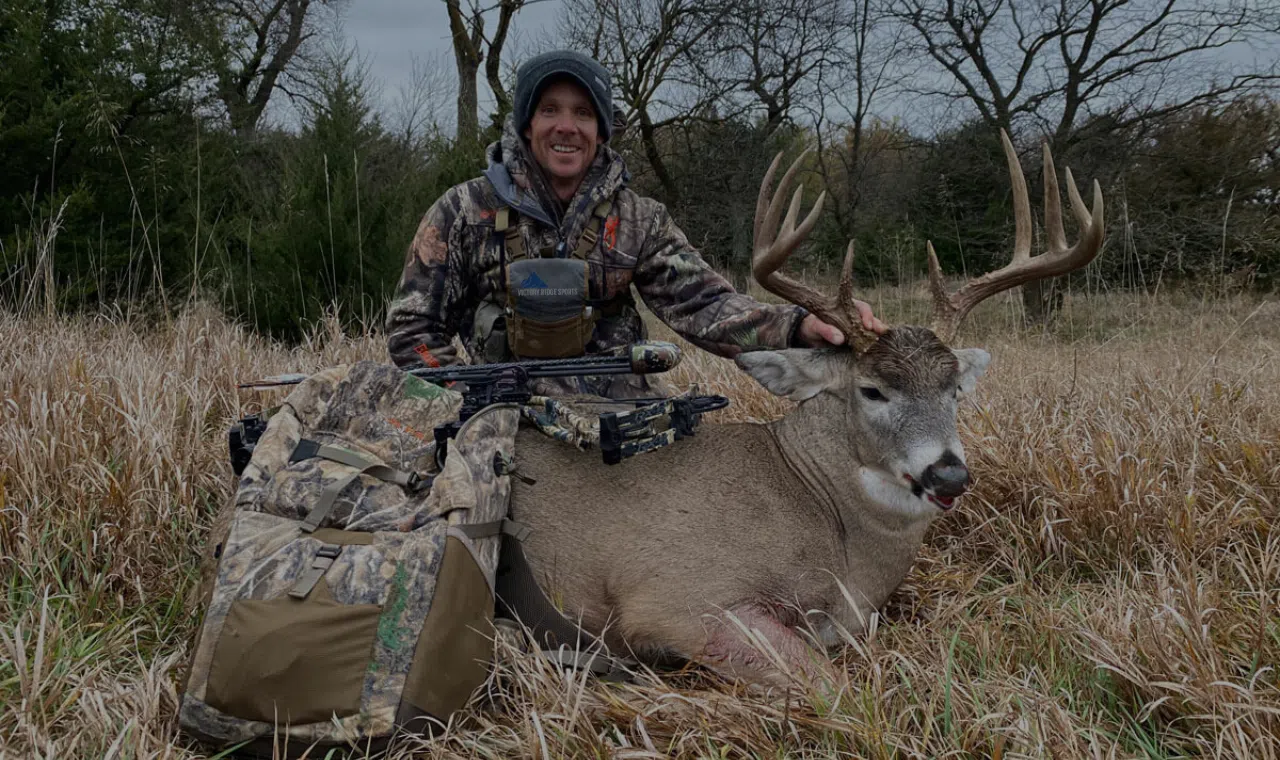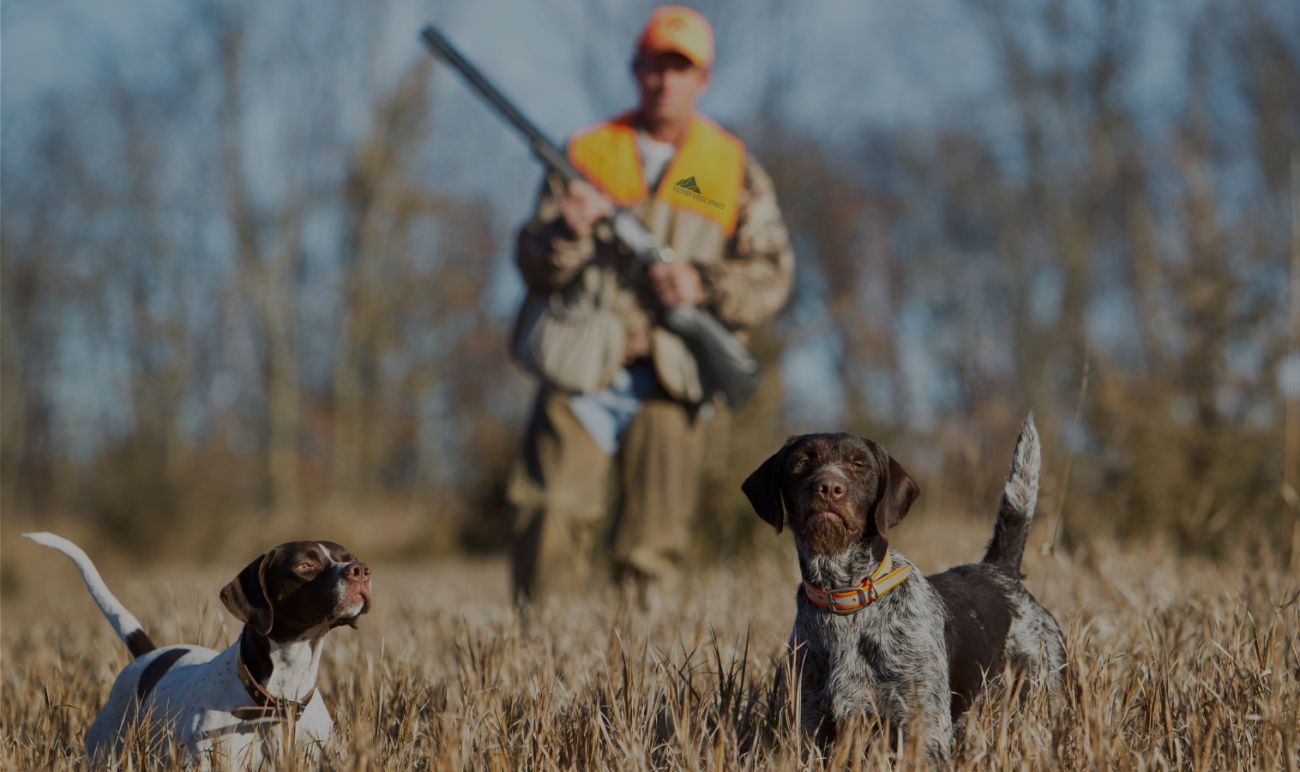

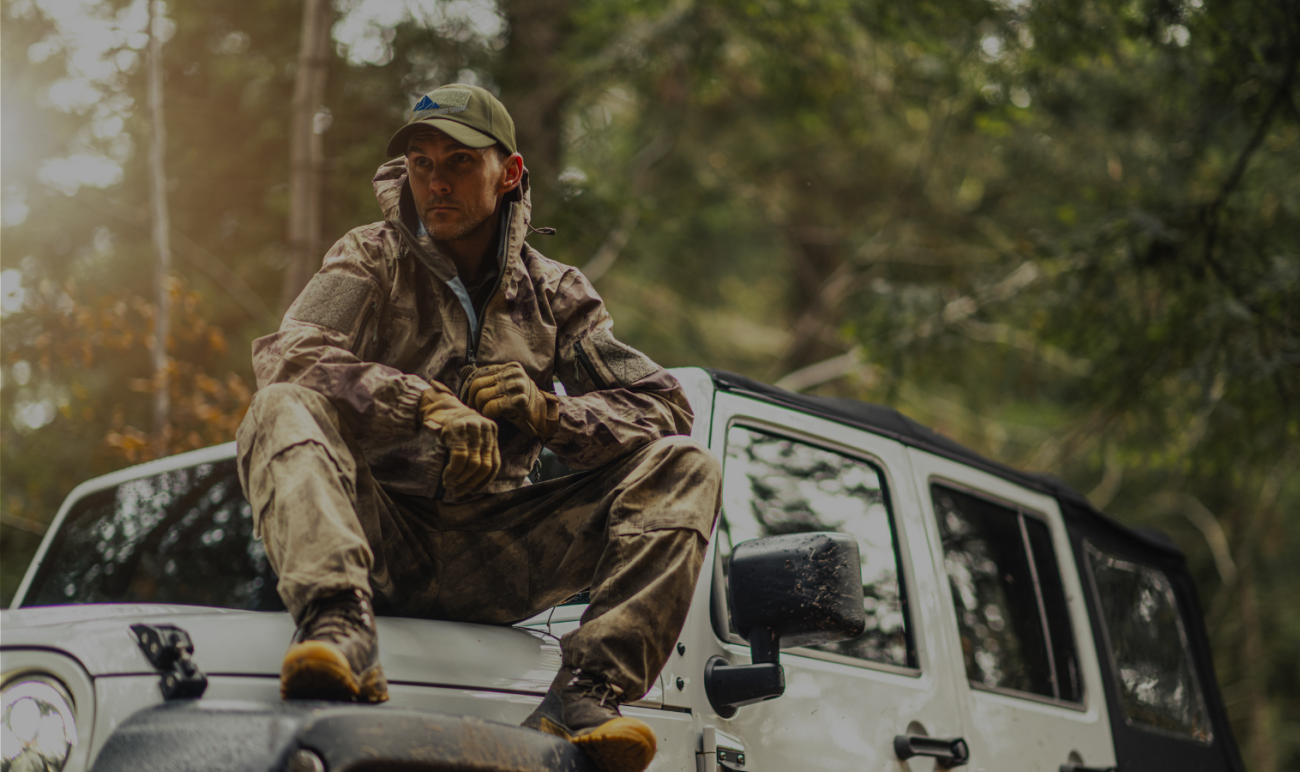
Deer hunting season is upon us, and if you’re planning on camping out of your truck, preparation is key to a successful trip. Whether you’re a seasoned hunter or new to the sport, this guide provides essential deer hunting tips and insights into optimizing your truck setup for comfort and convenience. Drawing from successful strategies used by experienced hunters, we’ll explore everything you need to know to make the most of your hunting adventure.
Key Deer Hunting Season Tips for Success
1. Scouting Your Hunting Grounds
Scouting plays a crucial role in understanding deer behavior and identifying the best spots for hunting. Spend time before the season observing deer movements at dawn and dusk, when they are most active. Use trail cameras to monitor deer activity and to spot the best bedding areas and feeding grounds. Many hunters recommend scouting multiple locations, allowing you to adapt if your initial spot is unproductive.
2. The “Bump and Dump” Strategy
One effective but less conventional strategy is the “Bump and Dump” method. This involves intentionally spooking a deer from its bedding area but then setting up a stand nearby, ideally from a downwind position. Deer are creatures of habit, and many will return to the same spot, allowing for an optimal shot opportunity. This strategy can be particularly effective with bucks that have established bedding spots, as their curiosity can work in your favor.
3. Focus on Bedding Areas
Many deer spend most of their deer hunting season in bedding areas. While many hunters prefer hunting along trails leading to food sources, those with limited time can benefit from setting up near or just inside the edges of bedding areas. This high-risk, high-reward approach can lead to successful encounters, especially during the rut when bucks are more active and less cautious.
4. Timing Your Entry
A critical aspect of deer hunting is the timing of your approach to the stand. Walking in before daylight is common, but sometimes waiting until first light and still-hunting your way in can reduce the risk of spooking deer along your path. This approach allows you to observe the area as you enter and make adjustments if deer are already present.
Truck Setup for a Successful Hunting Basecamp
A well-prepared truck setup is essential for a comfortable and efficient hunting trip. Here’s how you can optimize your truck as a basecamp for deer hunting.

1. Choosing the Right Truck and Gear
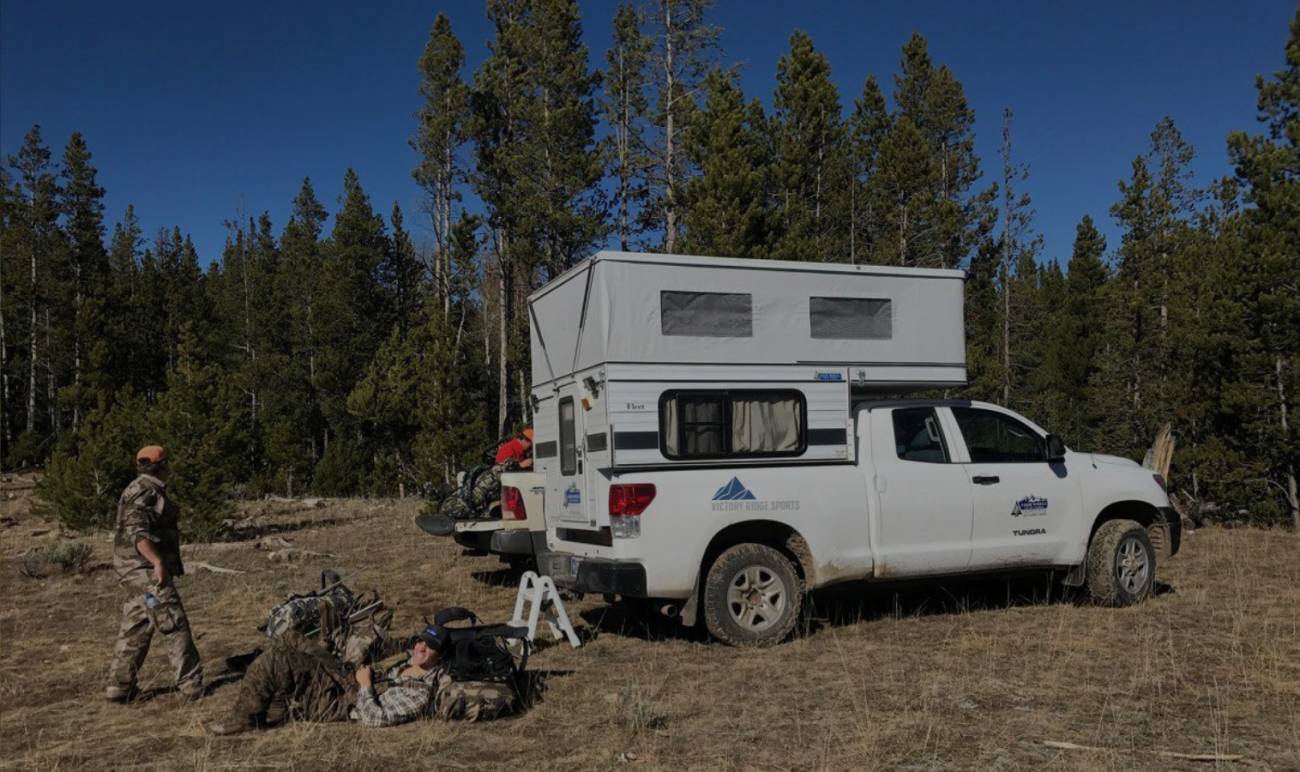
The ideal vehicle for hunting is a full-sized 4WD pickup with a truck cap. A truck cap provides a secure, sheltered area for sleeping and gear storage, making it perfect for multi-day hunting trips. Many experienced hunters recommend models like Leer or ARE that have pop-out or sliding windows for ventilation. The insulated interior of the truck cap also helps maintain comfort in varying weather conditions.
2. Built-In Storage Solutions
Organization is key when camping out of your truck. Installing a built-in drawer system, such as a DECKED drawer, can help keep gear organized and accessible while preserving enough space for sleeping in the truck bed. One drawer can hold hunting gear, while the other stores cooking equipment, ensuring everything is easy to find when needed.
3. Bedding and Comfort
For sleeping arrangements, opt for a high-quality inflatable sleeping pad or a compact cot. Brands like Thermarest and Helinox offer comfortable solutions that take up minimal space. A well-insulated sleeping bag, such as one from Big Agnes, is essential to keep warm during cold nights. Adding a compact camp pillow can significantly improve sleep quality, making long hunting days more bearable.
4. Cooking Setup and Food Storage
When it comes to cooking, a portable stove, such as a Camp Chef Pro 60X, provides flexibility and the ability to cook substantial meals. If you’re traveling light, a multi-fuel stove that combines boiling, grilling, and frying in one unit can be a convenient option. A Yeti Tundra cooler is also a must for keeping food fresh and for storing any meat from successful hunts. It can double as a bench or step, making it a versatile addition to your setup.
5. Shelter and Weather Protection
Adding a canopy or tarp to your truck setup can provide shelter during inclement weather, allowing you to cook, change, or relax comfortably. A Go Fast Camper pop-up tent is a great option for those looking to add a rooftop sleeping area that keeps them off the ground and protected from the elements. This setup can be particularly useful when camping on uneven or muddy terrain.
Gear to Pack for Your Deer Hunting Truck Setup

Packing the right gear is crucial for a successful deer hunting trip, especially when you’re relying on your truck as a basecamp. Here are some essential items to consider:
- Hunting Gear: Bring your bow or rifle, plenty of ammunition, a rangefinder, and binoculars. Include a deer call, scent attractants, and cover scents to increase your chances of attracting deer.
- Clothing: Pack weather-appropriate clothing, including base layers, insulated outerwear, gloves, and a hat. It’s also a good idea to bring waterproof gear in case of rain.
- Safety Equipment: A first aid kit, flashlight or headlamp, and a cordless impact wrench for emergencies are must-haves. Safety should always be a top priority during hunting trips.
- Food and Water: A Yeti cooler for storing food and keeping drinks cold, along with high-energy snacks and enough water to stay hydrated. Consider packing a portable water filtration system if you’ll be camping for extended periods.
- Cooking Gear: A portable stove or multi-fuel stove, cooking utensils, and a lightweight camping pot and skillet are essential for preparing meals at your basecamp.
- Bedding: Bring a high-quality sleeping pad or cot, an insulated sleeping bag, and a pillow for comfort.
- Tools and Maintenance Supplies: Include a set of tools such as screwdrivers, allen wrenches, a multi-tool, and supplies for vehicle maintenance. These will come in handy for any unexpected repairs.
Adapting to Different Weather Conditions
Deer hunting often means facing unpredictable weather, and being prepared can make all the difference in your success and comfort. Here’s how to adapt your truck setup and hunting strategy to different weather conditions:
1. Cold Weather
Cold weather hunting can be challenging, but it also provides great opportunities, as deer are often more active. Insulate your truck cap with carpet or blankets to retain warmth. A propane heater can also be a useful addition, but always prioritize safety by ensuring proper ventilation. Use a high-quality sleeping bag rated for sub-zero temperatures to stay warm overnight.
2. Wet Conditions
Rain can make deer more active, but it also requires extra preparation. A waterproof tarp or canopy over your truck setup will help keep your gear dry. Make sure your clothing is waterproof and that you have a place to dry wet gear at camp. Store your decoys, calls, and other gear in waterproof containers to prevent damage.
3. Hot Weather
Hunting in warm weather presents different challenges, such as keeping your food from spoiling and avoiding overheating. Use a Yeti cooler to store food and harvested meat to keep it fresh for longer periods. Lightweight, breathable clothing is essential to prevent overheating, and having a portable fan or battery-operated fan can provide some relief during hot afternoons.
4. Windy Conditions
Windy conditions can work to your advantage by helping mask your movements and scent. Use the wind direction to plan your approach to bedding areas and food plots. In your truck setup, ensure that tents and tarps are properly anchored to withstand strong gusts.
Additional Tips for Hunting Success
- Tire Pressure and Off-Road Capability: Adjusting your truck’s tire pressure depending on the terrain is crucial. Lowering tire pressure to around 20 PSI off-road can help absorb bumps and improve traction, while higher pressure is suitable for on-road travel. Tools like InDeflate and a quality air compressor can help you manage tire pressures efficiently, saving time and improving overall safety.
- Safety Gear and Tools: Always carry essential safety gear, including a cordless impact wrench for emergencies, a first aid kit, and a reliable flashlight. Being well-prepared for unexpected situations ensures a safer and more enjoyable hunting trip.
Conclusion
Deer hunting is as much about preparation as it is about skill. By optimizing your truck setup for comfort and efficiency and employing smart hunting strategies, you increase your chances of a successful and enjoyable hunt. From scouting and using effective deer behavior strategies to organizing your truck camp with the right gear, every detail counts. A well-prepared hunter is a successful hunter—so plan ahead, stay safe, and enjoy the adventure.