
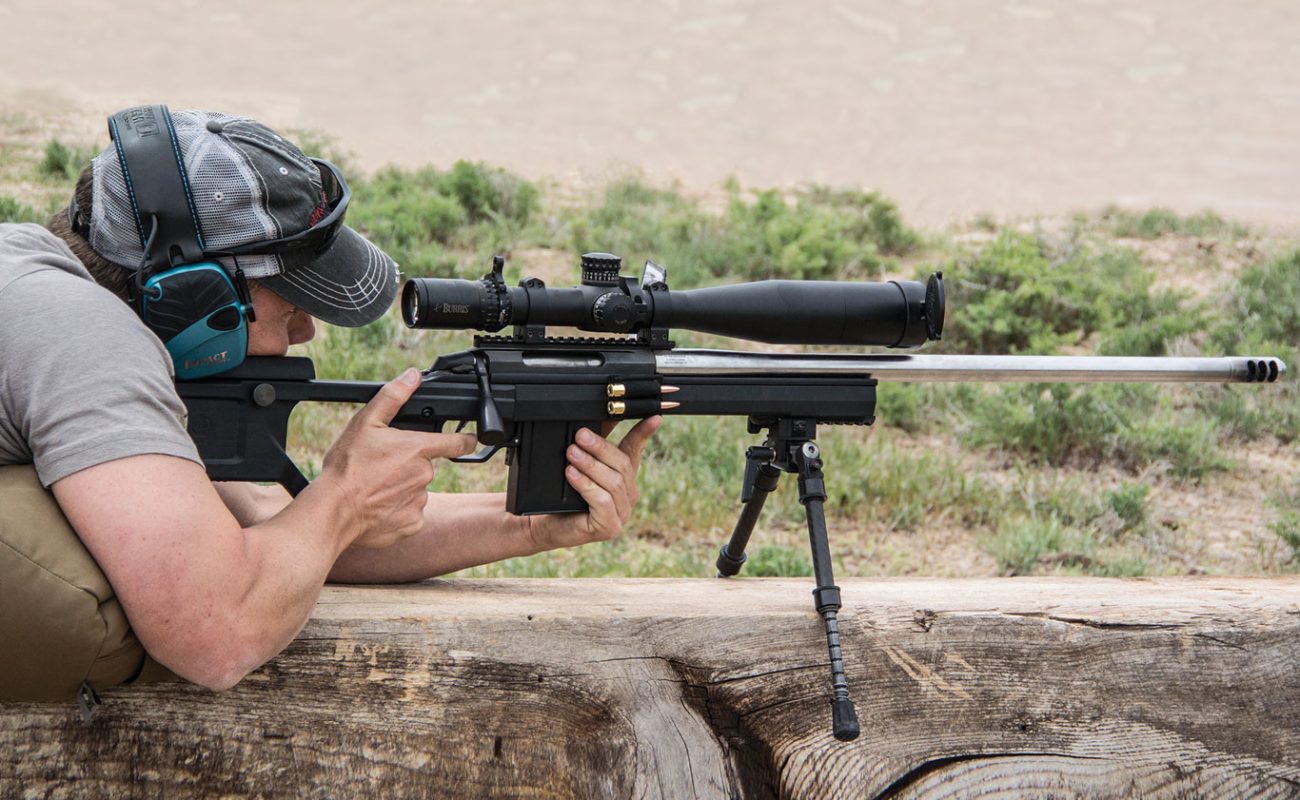
Most shooters assume accuracy is a volume problem. More range days, more ammo down the barrel, more rounds on paper, and the groups will eventually shrink. It’s an appealing idea because it’s simple, and because ammunition feels like progress you can hold in your hand.
In precision shooting, though, the quality of your feedback loop almost always matters more than your round count. A shooter who fires forty deliberate, diagnosed rounds usually improves faster than one who burns through two hundred without knowing what changed between them. The same holds whether you’re chasing a half-MOA group at 300 yards, breaking clays, or trying to make one cold shot count on opening morning.
Here’s how to build range sessions that actually transfer to the moment that matters.
The Short Answer: Design the Session, Then Add Volume
Good practice starts with a stated problem, uses feedback fast enough to change your next shot, and gradually adds pressure until the process holds under a timer, a heartbeat, or a closing shot window. Repetition still matters but it’s what you do after the session is designed correctly, not instead of designing it.
That means fewer rounds fired more carefully, a shot log you actually fill in, meaningful dry fire between range trips, and process measures that tell you whether the group was earned or lucky.
Volume Alone Makes Bad Habits Permanent
Every shooter has met the guy who’s fired thousands of rounds and shoots the same as he did five years ago. The rounds weren’t wasted because he didn’t try they were wasted because nothing in the session told him which variable to change.
This is why experienced coaches diagnose before they prescribe. If the actual problem is an inconsistent cheek weld and you spend the day chasing your scope turrets, extra repetition just makes the inconsistent cheek weld more automatic. Volume amplifies whatever pattern you already have. Make sure it’s the right one first.
Every Range Session Needs a Defined Problem
“Work on accuracy” is not a training goal. It’s a mood. A session becomes useful the moment you can state exactly what’s being trained in observable terms:
- Reduce vertical stringing on my five-shot groups at 200 yards
- Hold the same trigger press when the timer is running
- Build a repeatable prone position I can reproduce in under fifteen seconds
- Make the first cold shot from field positions, not off the bench
Notice that each of these can be judged as a pass or a fail while you’re still on the firing line. That’s the test of a good practice goal if you can’t tell at the range whether it worked, it isn’t specific enough yet.
This diagnose-first principle isn’t unique to shooting it shows up anywhere accuracy has to survive pressure. In tennis, for example, Stakhovsky Tennis runs an assessment-led coaching model in Prague that begins by identifying the single constraint costing a player the most points, then builds practice around that constraint rather than adding generic drill volume. Different sport, same lesson: find the limiting factor before you spend the reps.
The Shot Is Decided Before the Trigger Breaks
The trigger press gets nearly all the attention, and it’s rarely where the shot was actually lost. By the time the striker falls, most of the outcome has already been determined by everything that came before it.
Position and Natural Point of Aim
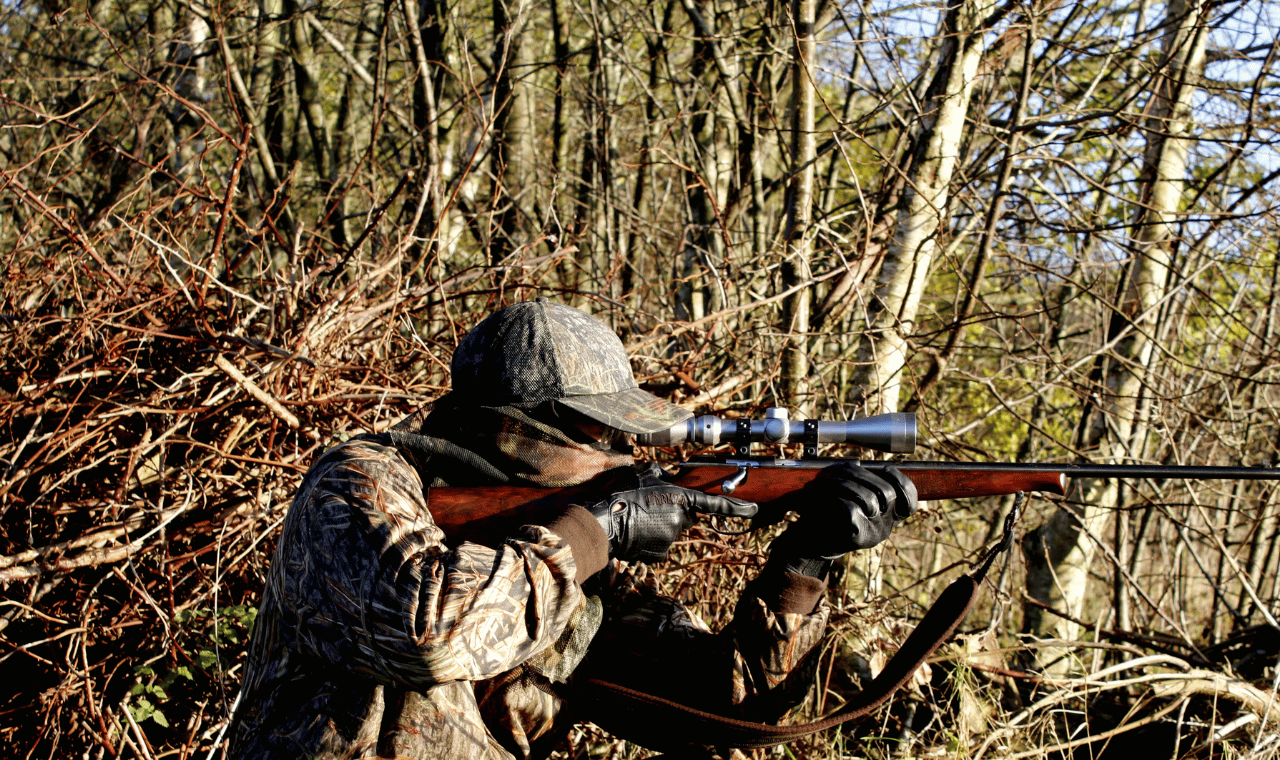
If your body isn’t naturally aligned with the target, you’re using muscle to hold the rifle on it and muscle tension is not repeatable under a raised heart rate. Build the position, close your eyes, breathe, open them, and see where the reticle actually sits. Adjust your body, not your grip. A stable shooting bag or a properly set bipod removes variables so you can isolate the ones you’re actually training.
Breathing and Timing
A consistent respiratory pause gives you a repeatable window. Shooters who break the shot whenever they happen to feel ready introduce a variable they can’t measure later.
Sight Picture and Parallax
Inconsistent head position behind the scope produces shifts that look exactly like poor trigger control on paper. Set your parallax properly and check that your eye box is repeatable before blaming your technique.
A missed shot on a whitetail at last light often looks like a flinch. Frequently, it started with a rushed position and a cheek weld the shooter had never actually practiced from that angle.
Feedback Has to Reach You Before the Next Shot
The best training environments shorten the gap between the shot and useful information about the shot. That’s the whole reason a spotter is valuable not to praise your group, but to tell you something in time to change the next round.
Useful feedback tools include:
- A spotting scope or rangefinder so you’re not walking downrange to learn what happened
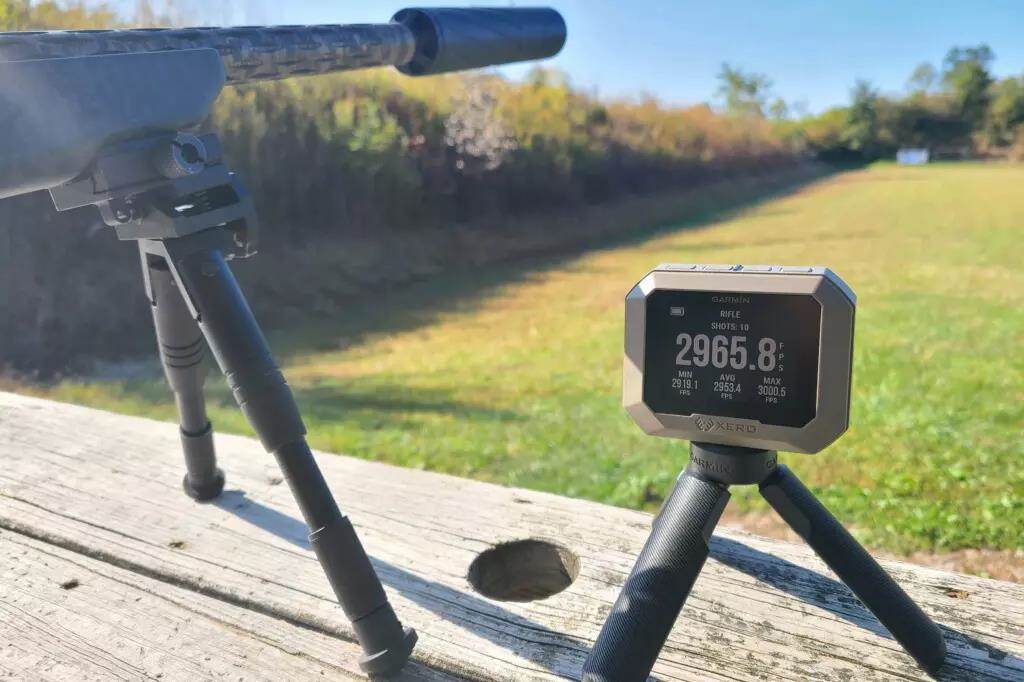
- Chronograph data to separate ammunition inconsistency from shooter error if your extreme spread is 90 fps, your vertical isn’t a technique problem
- A shot log recording call vs. impact, wind, position, and round count
- Fresh targets so a session’s groups don’t blur into last month’s
The critical habit is calling your shot: before you look through the glass, say where the reticle was when the shot broke. If your call matches the impact, your fundamentals are sound and it’s a ballistics or wind problem. If they don’t match, you weren’t watching your sights. That single discipline diagnoses more problems than any gadget.
And be honest about data volume. A shooter drowning in numbers without knowing which one matters has noise, not feedback. Observe, compare, correct, repeat.
Dry Fire Is Where the Cheapest Gains Live
Ammunition prices being what they are in Canada, dry fire is the most underrated training tool available. It removes recoil, noise, and cost, which leaves nothing to hide behind you see the reticle move when the trigger breaks, every single time.
Use snap caps and dummy rounds to protect your firing pin and to practice loading, cycling, and malfunction drills safely. Ten focused minutes a few nights a week builds position consistency and trigger control faster than a monthly range trip. Confirm your firearm is unloaded, verify it again, remove live ammunition from the room entirely, and pick a safe backstop direction every time.
Rimfire practice sits in the same category. A .22 lets you run five times the repetitions for the same money, with no recoil to mask a developing flinch.
Pressure Exposes Whether the Skill Is Real
Technique looks stable when you’re rested, unhurried, shooting off a bench, and repeating the same task. Competition and hunting change all of that. There’s a clock, a score, a cold barrel, an animal that won’t stand still, fatigue in your legs, and the plain knowledge that this shot counts.
Training should include controlled pressure not by turning every session into a match, but by gradually removing certainty:
- The cold bore shot. Your first round of the day, from a field position, on a small target. That’s the shot the season actually depends on. Fire it before you warm up, and log it every time.
- One round, one chance. Load a single round. No follow-ups, no averaging, no “that one didn’t count.”
- Elevated heart rate. Twenty burpees, a short sprint, or a pack carry, then shoot. Hunting rarely offers a shot after a relaxing sit.
- A time limit. A shot timer or a partner counting down changes the process in ways nothing else replicates.
- Unknown distance. Range the target after you’ve committed to a hold, not before.
The goal isn’t to shoot well under pressure by accident. It’s to keep the same process while the environment gets harder.
Fatigue Degrades Precision Before You Notice It
The easiest mistake in training is assuming the last hour of a session is as valuable as the first. It rarely is. As fatigue builds, position discipline slips, trigger control coarsens, and decision quality drops usually before the shooter is consciously aware of any of it.
That doesn’t automatically mean stop early. Sometimes shooting tired is the objective, because that’s the state you’ll be in on day four of a hunt with elevation behind you. The distinction is intent: know whether fatigue is part of the plan or simply corroding the quality of your reps. If it’s the latter, end the session. The last twenty rounds of a bad day teach the wrong lesson.
Measure the Process, Not Just the Group
Results are seductive because they’re easy to read. The group was tight. The clay broke. The steel rang. But results alone hide unstable technique plenty of good groups are three solid shots and two lucky ones.
Process measures tell you whether you’re building something repeatable:
- Called shot accuracy — what percentage of shots did you call correctly?
- Cold bore hit rate — over a season, this number is more honest than any group size
- Position build time — how long to a stable firing position from standing?
- Hit rate from field positions — kneeling, sitting, off a pack, off sticks
- Consistency across strings — is group three the same as group one?
Pick two or three. Metrics only change behaviour when there are few enough of them to remember.
Five Questions That Improve Almost Any Range Session
- What exact performance problem am I solving today?
- Which part of my process most influences that problem?
- What feedback will tell me, today, whether the correction is working?
- How will I test this skill when pressure or uncertainty increases?
- What must stay consistent once fatigue shows up?
Write the answers down before you leave the house. A range plan on paper beats a range plan in your head every time.
Gear That Supports Better Practice
Equipment doesn’t create skill, but the right gear removes variables so you can actually see your own performance. Worth having in the bag:
- Quality ear and eye protection flinch is often just an unprotected ear
- Consistent ammunition from the same lot when you’re diagnosing technique
- Rimfire ammunition for high-repetition sessions
- A stable rest bags, bipods, and tripods
- Clear, sized-appropriately targets
- Reloading components if you want maximum control over ammunition consistency
- A good training book to structure your progression
Always follow your range’s rules and Canadian firearms law, and remember that a valid PAL is required to purchase firearms and ammunition. If you’re newer to the sport, the Canadian Firearms Safety Course is the right starting point.
Better Practice Is a System, Not a Mood
The thread running through every precision discipline is that reliable performance is built deliberately. You define the problem, build a repeatable process, get feedback fast enough to act on it, test the process under pressure, and measure whether it holds. Volume still matters it just works far better once the session has been designed around the right problem.
The shooter who leaves the range able to say what changed, what still breaks down under pressure, and what next week needs to address is improving. The one who just feels like he worked hard is guessing.
Get Set Up at Victory Ridge Sports
Whether you’re building a precision rig, stocking up on rimfire for high-volume practice, or looking for the right bag, bipod, or optic to take variables out of your session, Victory Ridge Sports has you covered. We’re based in Barrie, Ontario, our team are active shooters and hunters, and we’re happy to talk through what your training actually needs before you spend money on it.
FAQ
How many rounds should I shoot in a practice session?
Fewer than most shooters think. A focused 30 to 50 rounds with a clear goal, a shot log, and honest shot calling will usually beat 200 rounds fired without a plan. High-volume days have a place for positional and speed work, but diagnostic sessions should be short and deliberate.
Does dry fire practice actually improve accuracy?
Yes, and it’s the highest-value training per dollar available. Dry fire removes recoil and noise, which exposes trigger control and position problems you can’t see when the rifle is moving. Use snap caps to protect the firing pin, and follow strict unloaded-firearm safety procedures every time.
What is a cold bore shot and why does it matter?
It’s the first shot from a clean, cold barrel the same condition your rifle is in when a hunting opportunity appears. Group sizes after ten warm-up rounds tell you very little about that moment. Logging your cold bore shot every session is one of the most useful habits a hunter can build.
How do I practice shooting under pressure at a public range?
You don’t need a match to add pressure. Use a single loaded round with no follow-up shots, add a time limit, shoot from field positions rather than the bench, elevate your heart rate before firing, or shoot at unknown distances. Always stay within your range’s safety rules and shooting procedures.
Should I train with a rimfire to improve centerfire accuracy?
For fundamentals, absolutely. Rimfire practice lets you run far more repetitions for the cost, and because there’s minimal recoil, it’s much harder to hide a developing flinch. Most positional and trigger control work transfers directly to your centerfire rifle.