







Blog
Complete Guide to Moose Hunting in Ontario, Canada: Outfitters, Seasons, and Tips


Are you ready for an unforgettable moose hunting adventure in Ontario? Ontario’s vast forests and waterways create one of the best environments for hunting moose, offering an unparalleled experience for both new and seasoned hunters. This guide will serve as your reliable companion for navigating the intricate rules, identifying prime hunting seasons, and selecting reputable outfitters to maximize your success.
Whether you’re facing the challenge of equipping yourself properly or mastering the techniques of moose hunting, our comprehensive tips and strategies will be instrumental. You’ll gain a thorough understanding of the legal framework, learn the best times to hunt, and get practical advice that will help make your expedition both legal and fruitful. By diving into this resource, you’ll be better prepared to track and harvest moose in Ontario’s wilderness—from cultivating the patience needed at the river’s edge to understanding moose behavior during the rut.
Understanding Regulations Moose Hunting in Ontario
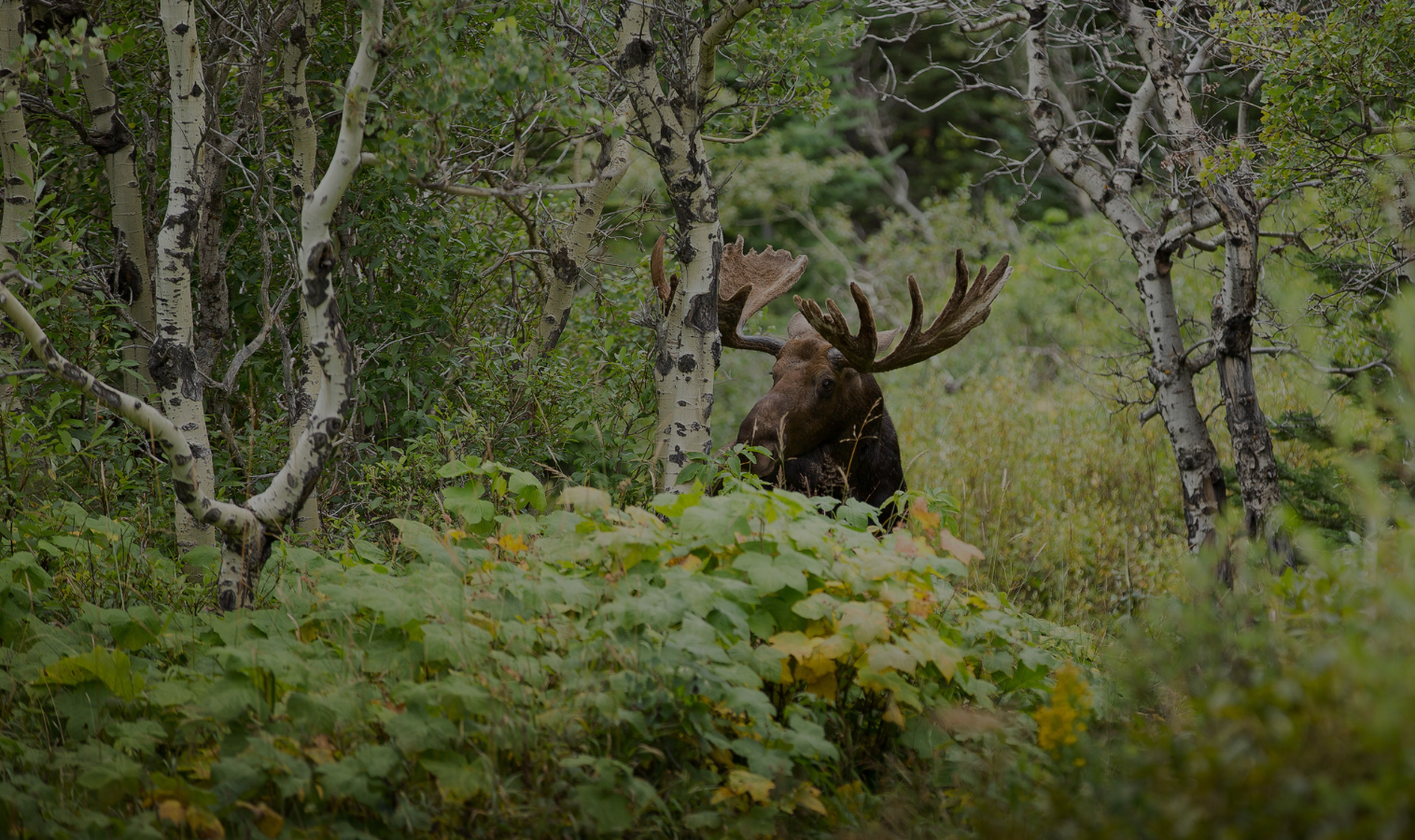
Embarking on a moose hunting adventure in Ontario requires a thorough understanding of the province’s regulations. Ontario mandates specific licensing requirements, and hunters must be familiar with the designated Wildlife Management Units (WMUs) that dictate where they can hunt. Understanding legal hunting methods, equipment restrictions, tagging, and reporting procedures is crucial to ensure compliance and contribute to conservation efforts. This guide provides essential information to prepare hunters for a lawful and successful expedition.
Licensing Requirements for Moose Hunting in Ontario
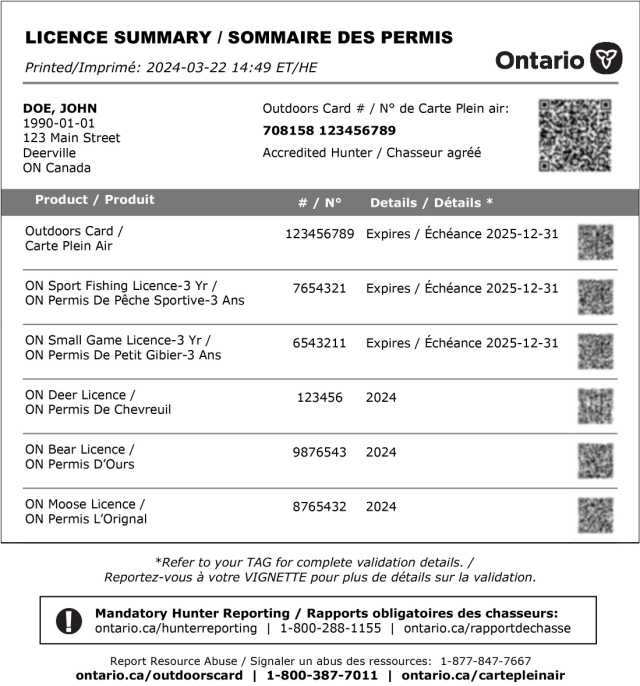
Image from Ontario.ca
Obtaining the proper licensing is essential for any hunter planning a moose hunting trip in Ontario. Hunters must acquire an Outdoors Card and a specific Moose Tag that corresponds to the Wildlife Management Unit (WMU) in which they intend to hunt. The licensing system is designed to effectively manage the moose population and maintain ecological balance across hunting zones.
Key Requirements for Moose Hunting
- Outdoors Card: A valid Outdoors Card is mandatory for all hunters, serving as the base credential for applying for other hunting licenses in Ontario.
- Moose Tag: A Moose Tag is required and must match the WMU in which you plan to hunt. The tag type, whether for bull, cow, or calf, is specified based on regulations for each WMU.
- Annual Draw System: The allocation of Moose Tags is managed through an annual draw. Hunters must participate in this draw for a chance to secure a tag. Tags are often limited to promote responsible hunting and sustainable population control.
How to Acquire an Outdoors Card and Moose Tag
- Outdoors Card Application:
- Can be obtained online via the Ontario Ministry of Natural Resources and Forestry (MNRF) website.
- It is valid for three calendar years.
- Moose Tag Application:
- Requires participation in the annual draw.
- Hunters must apply for specific WMU tags during the application period.
Overview of Hunting License Fees
The following table outlines the essential licensing costs for moose hunting and other types of hunting in Ontario:
| License Type | Resident Fee | Non-resident Fee |
| Outdoors Card | $9.68 | $9.68 |
| Moose Tag – Adult | $48.26 | $469.86 |
| Moose Tag – Calf | $30.00 | Not Available |
| White-tailed Deer Tag | $43.86 | $235.81 |
| Wolf/Coyote License | $11.14 | $272.34 |
Note: Fees are subject to change, and hunters are encouraged to verify the latest fees through the MNRF website or contact local authorities.
Important Licensing Information
- Residency Requirements:
- Residents: Must provide proof of Ontario residency, such as a driver’s license or utility bill, to apply for resident-specific tags.
- Non-residents: Must have an Outdoors Card to apply for a moose tag, and often require the services of an outfitter.
- Hunter Accreditation:
- Hunters must complete the Ontario Hunter Education Program to qualify for an Outdoors Card. This training is crucial for understanding hunting regulations and safety requirements.
- Other Required Permits:
- Migratory Game Birds Permit: Required if hunting migratory birds during moose hunting in Ontario.
- Export Permits: Needed for exporting hunted animals, especially if planning to bring a trophy home.
Summary of Licensing Steps
- Get an Outdoors Card: Apply online or in person.
- Participate in the Annual Moose Tag Draw: Enter the draw for the WMU you wish to hunt in.
- Confirm the Draw Results: If successful, obtain the tag during the allocated period.
- Plan Your Hunt with an Outfitter (Optional for Non-residents): Secure a guide to assist with regulations and logistics.
Licensing Considerations for Hunters
- Controlled Hunts: Some WMUs may have controlled seasons with limited hunter numbers to ensure sustainability. Hunters should check if their chosen WMU falls under this category.
- Indigenous Hunting Rights: Indigenous hunters are exempt from some licensing requirements. Specific information is available for hunters who identify as Indigenous and wish to exercise their rights under treaties.
Wildlife Management Units and Restricted Areas
Ontario’s vast wilderness is divided into several WMUs, each with its own set of regulations tailored to sustain wildlife populations. Hunters must respect these boundaries to support conservation efforts. Booking through Ontario moose outfitters provides expert guidance on navigating these WMUs, which is critical for staying compliant with regulations and safeguarding wildlife.
- Navigating WMUs: Hunters must be familiar with their designated WMU and the specific hunting regulations applicable to that unit. Restricted areas within these units are crucial for conservation, serving as refuges for wildlife during sensitive periods.
- Restricted Areas and Conservation: Understanding restricted zones is not only a legal requirement but also an ethical responsibility. These areas are essential for providing safe havens for wildlife, especially during breeding or migration periods, thereby ensuring the health of Ontario’s diverse species for future generations.
Legal Hunting Methods and Equipment
In Ontario, hunting methods and equipment are subject to regulations to promote ethical practices. Hunters can choose between bow hunting and firearms, but it is imperative to comply with specific requirements regarding weapon types, calibers, and usage restrictions.
- Archery and Firearms: Bow hunting offers a silent and challenging approach, while firearms provide different benefits. Hunters must adhere to the rules concerning minimum calibers and legal firearms, which are outlined in the regulations to ensure a humane and safe hunt.
- Prohibited Methods: Certain methods, such as baiting or using prohibited calibers, are not allowed. Hunters must familiarize themselves with these restrictions to ensure their methods align with provincial regulations, thereby upholding the principles of fair chase and ethical hunting.
Tagging and Reporting Procedures
Proper tagging and reporting are crucial for wildlife management in Ontario. Hunters must immediately tag their moose after a successful harvest, and follow up with accurate reporting to the Ministry of Natural Resources and Forestry.
- Tagging Requirements: Once a moose is harvested, hunters must attach the game seal promptly to the animal. This process helps monitor population numbers and ensures compliance with wildlife management strategies.
- Reporting Harvest: Reporting the details of the hunt, including the WMU and specifics about the harvested moose, is mandatory. This information is vital for ongoing conservation efforts and helps track the health and distribution of the moose population.
Moose Hunting Regulations Overview Table
The following table provides an overview of key hunting details for select WMUs in Ontario. The data includes open seasons, applicable hunt codes, and specific restrictions for bows and firearms.
| WMU | Hunt Code (Bow Season) | Hunt Code (Firearm Season) | Tag Quota | Special Notes |
| 1C | 701A | 702A | Limited | Bow tags available only for archery. |
| 28 | 703A | 704A | Limited | Firearms season restricted to specific dates. |
| 40 | 705A | 706A | Open | Tags available for both cow and bull moose. |
| 53A | 707A | 708A | Limited | Special restrictions for muzzle-loading guns. |
Note: The hunt codes and regulations vary by WMU and may change annually. Hunters are encouraged to review the latest regulations directly from the Ministry of Natural Resources website or contact local authorities.
Best Times and Seasons for Moose Hunting in Ontario
Selecting the optimal time for moose hunting in Ontario is crucial for a successful excursion. Understanding the hunting seasons reveals when moose are most active and accessible within their natural habitat. The conditions during each season vary, influencing the behavior of these majestic animals and providing opportunities for hunters. The ideal hunting times often coincide with the moose’s mating season, while changes in weather patterns significantly affect moose activities, similar to how weather influences the migration of other wildlife such as Canada geese. Familiarity with these periods allows hunters to plan their expeditions effectively.
Overview of Moose Hunting Seasons
Seasons for Moose Hunting in Ontario are scheduled to provide hunters with the best opportunities while ensuring sustainable wildlife management. The fall season is the prime hunting period, beginning with the bow hunting season and followed by rifle and muzzleloader periods. This timing coincides with the moose rut, when moose are most active and their movements are more predictable. This schedule aligns with compatible seasons for bear and deer hunting, creating diverse hunting opportunities.
The cooler climate during fall makes tracking easier, and the season is considered ideal for hunters aiming to fill their tags for moose, bear, or deer while possibly enjoying late-season walleye fishing. The choice of hunting time is influenced by the designated seasons, personal preferences, and hunting gear. Archers often prefer the tranquility of the early season, while those equipped with rifles or muzzleloaders may find the later part of the season more suitable.
Ideal Hunting Times During the Season
During Ontario’s hunting season, the early mornings and late afternoons are the most rewarding times for those seeking the elusive moose. Known as the “magic hours,” these periods are when moose are most active, increasing the likelihood of a successful hunt. Hunters who plan their expeditions during these hours take advantage of the natural behaviors of moose, enhancing their chances of success.
The rut, typically occurring from late September to October, is another prime time for hunting. During this period, moose are less wary, offering hunters improved opportunities. This timing is comparable to the peak periods for observing other wildlife species, such as mountain goats or migratory birds, making it a key window for hunters.
Weather Impact on Moose Behavior
Weather conditions significantly influence moose behavior, affecting hunting success. Experienced outfitters often suggest that sudden drops in temperature can trigger increased moose activity, particularly during early frosty mornings and cool evenings. Hunters should take advantage of these conditions for optimal tracking and hunting opportunities.
In contrast, unseasonably warm fall weather can make moose lethargic, posing challenges for even the most prepared hunters. Choosing an experienced outfitter who understands the impact of weather on moose movement can greatly enhance the chances of a successful hunt. Knowledge of these conditions, combined with guidance from a skilled outfitter, helps hunters navigate the challenges of Ontario’s wilderness and improves the likelihood of a memorable encounter with moose.
Important Dates for Moose Hunters
Staying informed about key dates is vital for anyone planning a trip for moose hunting in Ontario. Below are the crucial dates and deadlines for moose hunting in Ontario in 2024:
- April 1 to April 30: Apply to the primary allocation stage.
- May 16 to June 7: Claim tags awarded in the primary allocation stage.
- May 16: Moose licenses become available for purchase.
- June 15 to July 8: Apply to the second chance allocation stage.
- August 1 to End of Season: Claim tags awarded in the second chance allocation stage.
- August 20: Tags available to print until the end of the season.
Hunter Reporting Deadlines:
- November 22: Non-resident moose hunter report for tourist outfitter deadline.
- December 22: Resident moose tag holder report for tourist outfitter deadline.
- December 29: Moose hunter report deadline.
Seasons for moose hunting in ontario Overview Table
The following table outlines the key seasons for moose hunting in Ontario for different WMUs (Wildlife Management Units) in Ontario, including details for rifle, muzzleloader, and bow hunting seasons.
| Wildlife Management Unit | Resident – Open Season | Non-resident – Open Season | Notes |
| 1A, 1C, 1D, 16-17, 25 | September 14 – December 15 | September 16 – November 15 | Rifle, shotgun, muzzle-loader, bows allowed. |
| 2, 4, 18A, 18B | October 5 – December 15 | October 7 – November 15 | Suitable for rifle and bow hunters. |
| 5, 6, 7B, 9, 9A, 11A, 11B, 12-15, 19, 21A, 21B | October 12 – December 15 | October 14 – November 15 | Multi-method hunting (rifle, shotgun, bow). |
| 22, 23, 28-42 | October 12 – November 15 | October 14 – November 15 | Common moose habitat; various methods allowed. |
| 24, 27 | October 5 – November 15 | October 7 – November 15 | Mixed forest regions; firearm and bow hunting. |
| 26 | September 14 – October 31 | September 16 – October 31 | Limited to early-season hunting. |
| 46-50, 53-63 | October 21 – October 27 | None | Restricted short season for controlled hunter numbers. |
Note: The hunting of predominantly white-colored moose (over 50% white) is not permitted in WMUs 30 and 31 to ensure the protection of this rare genetic variant.
Bows and Muzzle-loading Guns Only
| Wildlife Management Unit | Resident – Open Season | Non-resident – Open Season |
| 7A | October 12 – December 15 | October 14 – November 15 |
| 18B | September 14 – October 4 | September 14 – October 4 |
Bows Only Season
| Wildlife Management Unit | Resident – Open Season | Non-resident – Open Season |
| 2-4, 18A, 24, 27 | September 14 – October 4 | September 14 – October 4 |
| 5, 6, 7B, 9, 9A, 11A, 11B, 12-15, 21-23, 28-33, 35-42 | September 21 – October 11 | September 21 – October 11 |
| 46-50, 53-63 | October 5 – October 11 | None |
Choosing a Moose Hunting Outfitter in Ontario
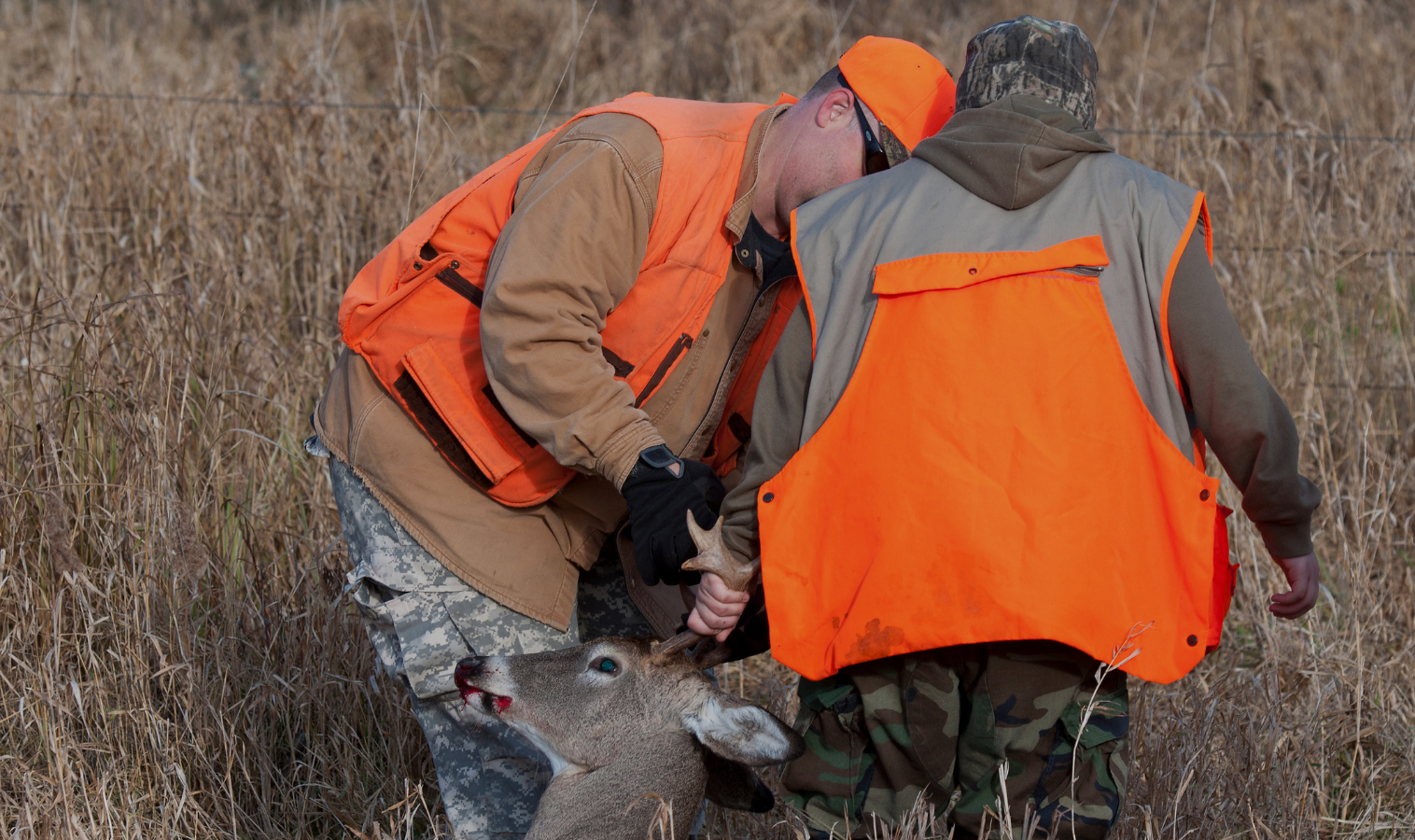
Selecting the right moose hunting outfitter in Ontario is crucial for ensuring a successful and ethical hunt. Considering factors like the expertise of the guides, the success rate for spotting moose, including elusive calves, and the quality of accommodations is pivotal. This section covers what to look for in an outfitter, highlights leading choices, and details booking procedures to secure your outing, ensuring an informed decision for a memorable hunting adventure in Ontario’s vast wilderness.
Factors to Consider When Selecting an Outfitter
When selecting a moose hunting in Ontario, the guide’s experience with the region’s terrain and understanding of moose behavior are critical factors. An outfitter with seasoned guides can significantly enhance the chances of a successful hunt through effective tracking techniques and a deep knowledge of wildlife, which is especially important in remote wilderness areas like Algonquin Park or the forests around Rainy River.
Additionally, potential hunters should evaluate the outfitter’s reputation and success rates to ensure they are choosing a high-quality experience. Reviews and testimonials from previous clients can provide valuable insights into the outfitter’s ability to deliver a fulfilling hunt, while their conservation practices reflect their dedication to maintaining the integrity of Ontario’s natural resources. This commitment is vital for those who are passionate about responsible and ethical hunting traditions.
Hunting with a Tourist Outfitter
According to Ontario’s hunting regulations, both residents and non-residents can acquire a tag through a tourist outfitter if they have not already obtained a tag for that year. To apply for a moose tag via a tourist outfitter, hunters must have a valid Outdoors Card, which is a prerequisite for the outfitter to request a moose tag on their behalf.
- Tag Acquisition: Hunters can only acquire a tag through an outfitter, and outfitters provide detailed instructions on the necessary steps to obtain the tag from the Ministry of Natural Resources before the hunt. This ensures legal compliance and secures the necessary permissions well in advance.
- Moose Tag Fees: The outfitter can only distribute the tag after the client has paid for it. Moose tag fees apply equally to residents and non-residents.
- Registered Guests: Hunters who receive a tag from an outfitter, or who join another hunter that has obtained a tag through an outfitter, must have their own moose license and be registered as a guest of the outfitter. Hunters are required to carry the documentation provided by the outfitter (in addition to their Outdoors Card and license) to verify their eligibility.
Recommended Moose Hunting Outfitters
When researching top moose hunting outfitters in Ontario, several names stand out for their quality of service and knowledge of the landscape.
- Wilderness North Outfitters: Renowned for their extensive experience in the rugged Canadian Shield and boreal forests, Wilderness North Outfitters promises an immersive wilderness adventure, not just a hunt. Their seasoned guides use a mix of traditional tracking skills and local expertise to maximize the likelihood of a successful and sustainable moose hunt.
- Big Moose Camp Outfitters: Located in Ontario’s prime moose habitat, Big Moose Camp Outfitters offers a personalized approach tailored to each hunter’s preferences and skill level. Their commitment to conservation and ethical hunting practices aligns with Ontario’s regulations, ensuring a rewarding experience for hunters while striving for high satisfaction rates.
Booking Procedures and Availability
Booking with a reputable moose hunting outfitter in Ontario requires early planning, particularly for the peak hunting season when demand is high. Prospective hunters are encouraged to begin their booking process several months in advance to secure their preferred dates and to maximize their chances of availability during the prime hunting period.
- Verifying Availability: When booking a hunting trip, it’s essential to verify the outfitter’s availability and the specifics of the hunting package. This includes confirming that the outfitter is operating within the moose hunting in Ontario regulations and understanding the details of what is included in the package—such as lodging, meals, guide services, and equipment.
- Clear Communication: Ensuring a smooth experience involves thorough communication with the outfitter to understand the scope of their services, any potential additional costs, and the cancellation policies. This transparency allows for proper preparation, including travel arrangements and gear acquisition tailored to Ontario’s challenging terrain and climate.
Essential Gear and Equipment for Moose Hunting in ontario
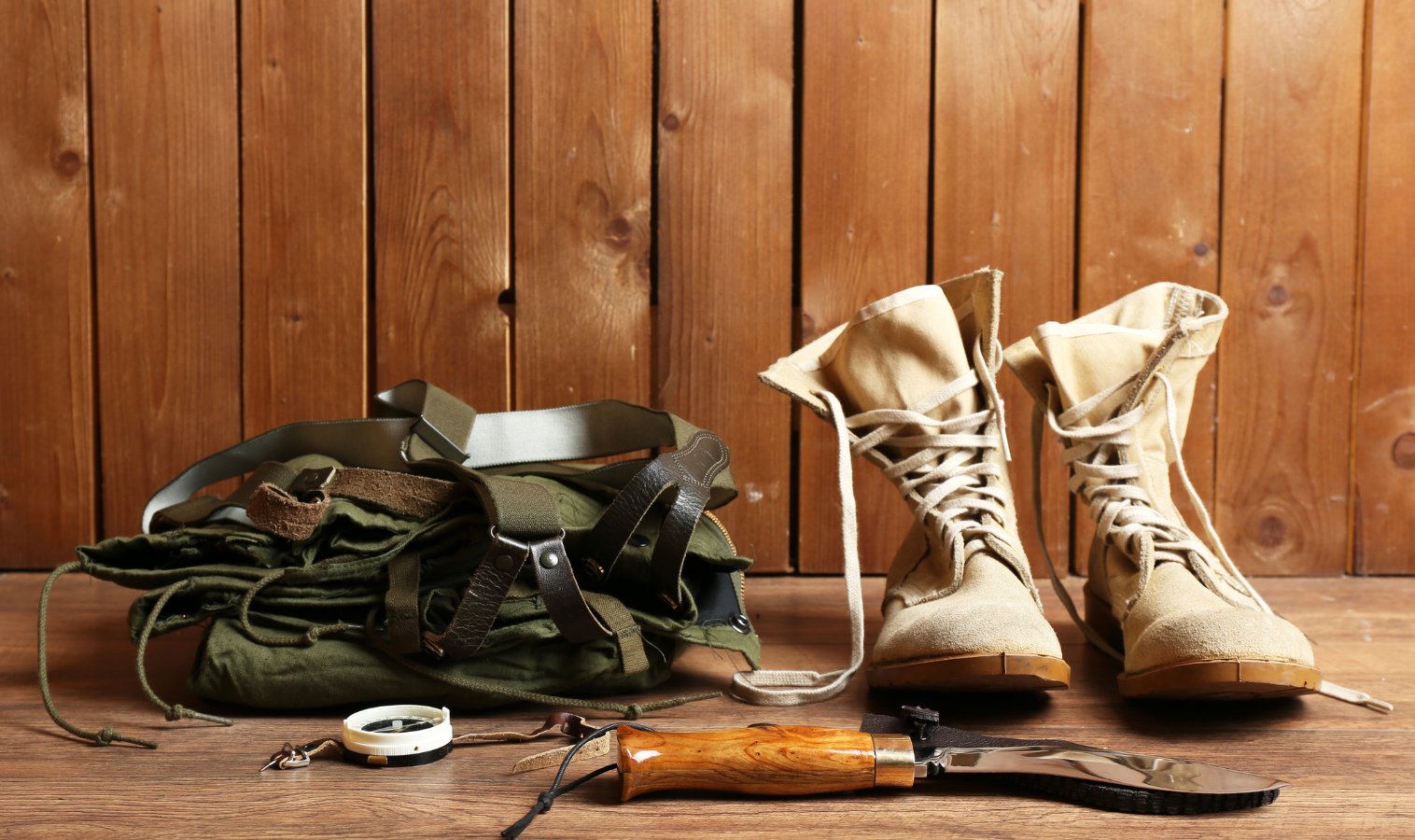
Knowing what essential gear and equipment to bring on a moose hunt can greatly enhance your chances of success. This section will cover the core aspects, including making informed firearms and ammunition selections tailored to moose hunting in Ontario. It will highlight the necessity of appropriate clothing and footwear to combat the diverse Canadian wilderness conditions. Essentials for navigation and safety equipment will also be discussed to ensure a secure hunting experience. Lastly, must-have field dressing tools will be detailed, providing hunters with the knowledge to efficiently handle their harvest.
Firearms and Ammunition Selection
Selecting the right firearm and ammunition is a pivotal decision when planning a moose hunting in Ontario. Hunters should consider a rifle of .30 caliber or larger to ensure a humane and effective harvest of such a large animal. High-powered rifles, such as the .308 Winchester, .30-06 Springfield, or the .300 Winchester Magnum, are frequently recommended for their stopping power and long-range precision, which are necessary when tracking a moose through the dense forests and rugged terrain of Ontario’s hunting grounds.
When choosing ammunition, it is essential to opt for rounds that offer both reliability and a high degree of stopping power to ensure a clean shot. Bullets designed for deep penetration and controlled expansion, like the soft-point or bonded rounds, are highly effective against the thick hide and muscle of moose. Ontario hunters are advised to test different ammunitions with their chosen firearm well before the hunting season commences, allowing them to select the most accurate and effective combination for their hunt.
Appropriate Clothing and Footwear
The attire worn during a moose hunt in Ontario is critical for comfort and safety; thus, appropriate clothing and footwear become indispensable elements of your gear. A hunter should invest in layered clothing, ideally made of moisture-wicking and breathable fabrics, to adapt to the fluctuating Canadian temperatures. Footwear needs to be durable, waterproof, and designed for rough terrain to ensure stability and keep the hunter’s feet dry, accommodating long treks in pursuit of moose across the diverse landscapes of Ontario.
Hunters quickly learn that the right gear can make a significant difference in their hunting success. For instance, insulated boots with firm ankle support prevent fatigue and injury, while quality camouflage clothing helps them blend into the dense Ontario forests, maximizing their chances of a close encounter with their quarry. Moose hunters benefit from selecting clothing and footwear that not only protect them from the elements but also enhance their stealth and endurance during the hunt.
Navigation and Safety Equipment
Navigational tools are indispensable for moose hunters traversing the remote wilderness of Ontario. With GPS devices and traditional compasses in hand, hunters can confidently track their quarry without the fear of losing their bearings in the vast Canadian forests. Safety is paramount, and one cannot overlook the value of having reliable communication equipment, such as satellite phones, which ensure assistance is reachable even from the most secluded hunting spots.
Moose hunting in Ontario often involves remote locations where a simple misstep could lead to peril, making safety gear a non-negotiable part of a hunter’s arsenal. Personal locator beacons (PLB) and first-aid kits tailored for the wilderness are essential, empowering hunters to respond to emergencies swiftly and effectively. These tools not only safeguard the individual’s well-being but also uphold the spirit of responsible hunting by enabling quick action in case of accidents or sudden health issues in the backcountry.
Field Dressing Tools
Essential to any successful trip for moose hunting in Ontario is the provision of field dressing tools that enable a hunter to manage their harvest in the wild. A good quality, sharp knife is a hunter’s best ally in the field, essential for skinning and butchering the game effectively. Specialized field dressing kits, which may include bone saws and gut-hook knives, also play a crucial role in dealing with the substantial size of a moose, allowing hunters to process their game cleanly and efficiently.
It’s also important for hunters to carry a compact and durable sharpening tool to maintain the edge of their knives throughout the dressing process. Such attention to detail not to overlook the need for a strong game bag, designed to store and protect the meat from contaminants. The use of these specialized tools reflects an understanding of the hunters’ responsibility towards their harvest, ensuring that the quality of the meat is preserved from the moment of the kill to the journey home.
Moose Hunting in Ontario Techniques and Tips
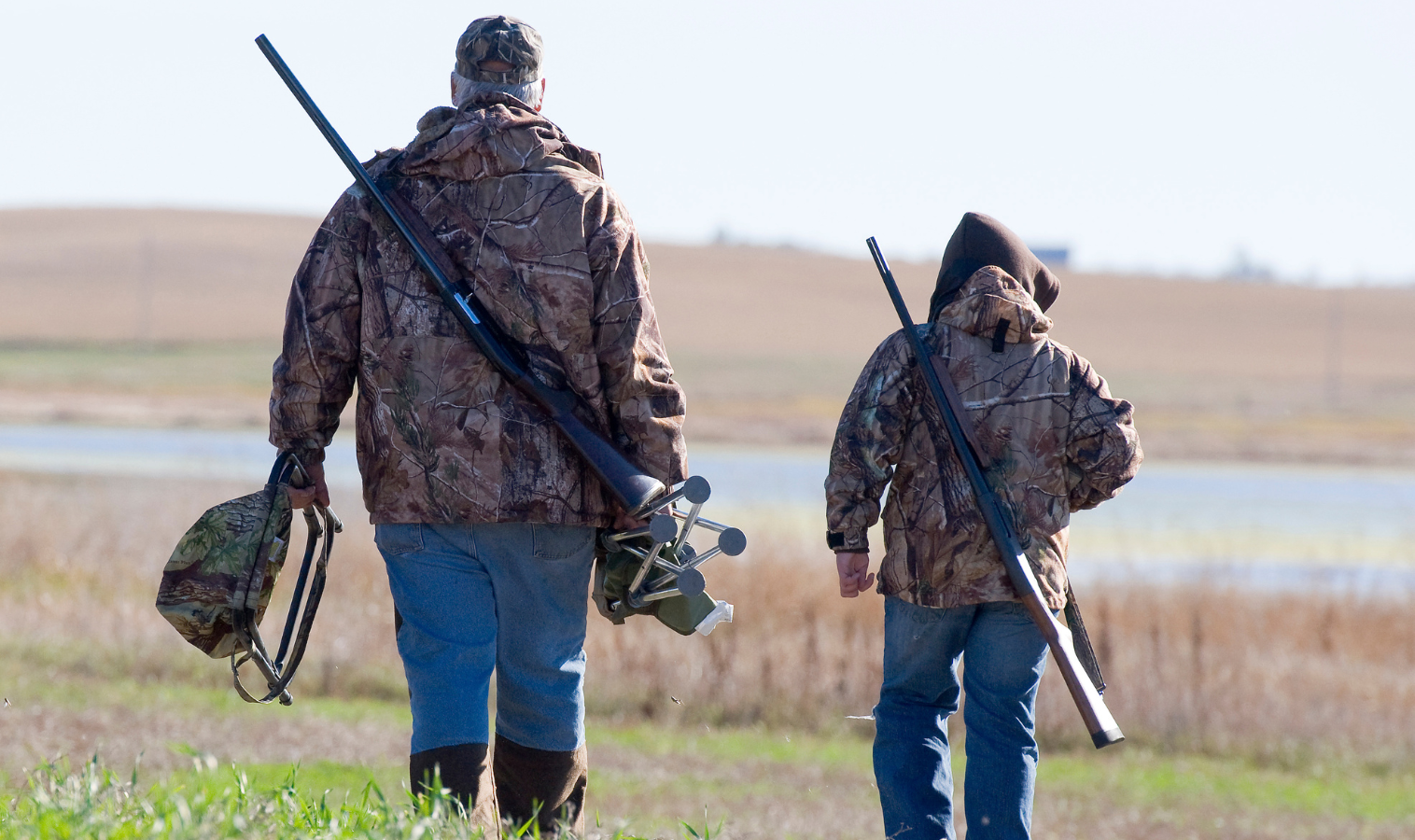
Moose hunting in Ontario, Canada, requires a blend of skill and knowledge, particularly when it comes to tracking and scouting strategies. Effective calling methods can lure these majestic creatures closer, while choosing between stand hunting and spot-and-stalk tactics greatly influences the hunt’s outcome. Additionally, adhering to safety tips is essential for a successful and secure moose hunting in Ontario experience. This section explores these crucial techniques, equipping hunters with the practical insights needed to navigate Ontario’s wilderness successfully.
Tracking and Scouting Strategies
Mastering the art of tracking and scouting is key to any successful moose hunting in Ontario. A hunter needs to interpret signs like hoof prints, bedding areas, and moose droppings; these clues not only reveal the presence of moose but can also indicate patterns in their movement and behavior. Engaging in pre-season scouting trips can pay dividends, as familiarity with the terrain and moose habits increases the likelihood of a successful harvest.
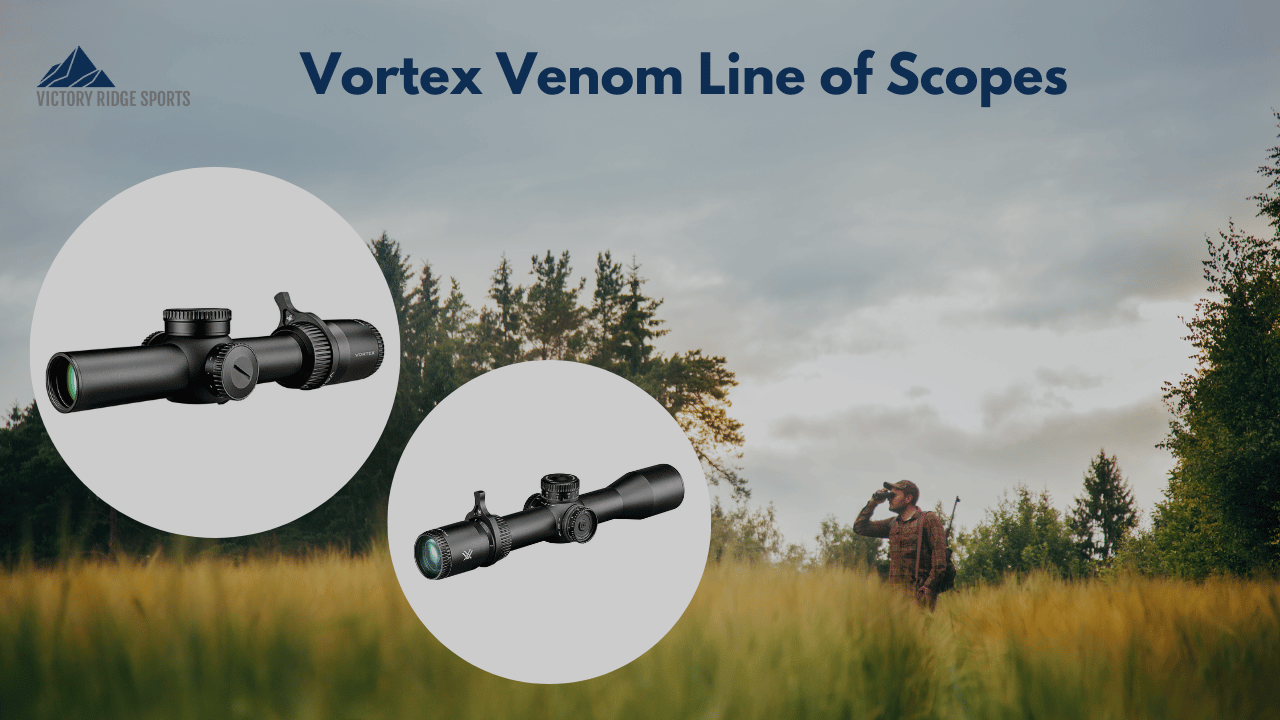
Utilizing glassing techniques with binoculars or a scope is an effective strategy in the expansive Ontario wilderness. It allows hunters to cover vast areas without disturbing their quarry, providing an advantage when planning an approach. Those who invest time in learning and applying these methods often find themselves in a prime position, maximizing the hunting hours and enhancing the overall experience in Ontario’s majestic outdoors.
Effective Calling Methods
Understanding and employing effective calling methods can significantly heighten one’s success in moose hunting in Ontario. Calling mimics the sounds of moose, such as grunts of a bull or the calls of a cow in heat, to attract these animals during the rutting season when they’re actively seeking mates. A hunter skilled in these vocalizations can often bring a moose within range, creating a prime opportunity for a shot.
It’s critical for hunters to carefully time their calls and control their volume to mimic natural moose interactions realistically. Spacing out calls and observing the response allows hunters to gauge the moose’s interest and location. Those who master the nuances of moose calling, like knowing when to use a challenge call or a mating call, gain the edge in luring the elusive moose closer in the dense forests of Ontario.
Stand Hunting vs. Spot-and-Stalk
Moose hunters in Ontario must choose between stand hunting, which involves waiting patiently in a hideout like a blind or tree stand, and the spot-and-stalk method, which requires stealthily tracking moose on foot. Stand hunting can be particularly effective during the rut when moose are more likely to pass through known travel corridors, allowing hunters to remain concealed and wait for the perfect shot.
Conversely, the spot-and-stalk technique beckons those who prefer active engagement with the environment, as it involves identifying moose from a distance and carefully moving closer for a clear shot. This method is favored by hunters who possess an intimate knowledge of the terrain and exhibit a keen aptitude for quietly navigating the unpredictable wilderness of Ontario’s forests.
Safety Tips for Moose Hunters
For moose hunters venturing into Ontario’s vast wilderness, safety begins with the company they keep; hunting in pairs or groups is highly recommended. There’s security in numbers, whether dealing with the unpredictability of moose behavior or the simple fact that emergencies are better managed together. Hunters should ensure that at least one member is well-versed in first aid and knowledgeable about the unique challenges presented by the Canadian terrain.
Another vital safety tip is to maintain constant awareness of your surroundings, not only to track the moose but also to prevent becoming disoriented. A hunter needs a reliable compass or GPS device, as the dense forests can be disconcerting even for seasoned outdoorsmen. They must inform someone of their planned route and check-in times, ensuring swift assistance if they fail to return as scheduled, thus mitigating risks associated with the vast and sometimes harsh Ontario landscape.
Planning Your trip for Moose Hunting in ontario
Embarking on a moose hunting trip in Ontario requires meticulous preparation beyond choosing the right outfitter. Hunters must ready themselves physically and mentally, attune to Ontario’s diverse terrain and climate, and make adequate travel and accommodation plans. Emphasizing sustainability, they must also commit to conservation and ethical hunting practices, ensuring their pursuit respects wildlife and habitat alike. The upcoming discussions delve into essential preparations for a seamless and conscientious hunting experience.
Preparing Physically and Mentally
Preparing for a trip for moose hunting in Ontario begins with physical readiness. Hunters should engage in cardiovascular training and weight lifting, ensuring they can traverse rugged terrains and patiently track game without fatigue. The mental preparation is equally crucial; one must cultivate patience and focus, skills that will be tested during long hours in the wilderness. Stamina and sharpness are the keystones to enduring what can often be a demanding hunting expedition.
Aspects like orienteering and survival skills are also part of mental preparedness for moose hunting in Ontario. Prospective hunters would benefit from familiarizing themselves with topographical maps and GPS technology to navigate confidently through diverse ecosystems. Understanding the behavior of moose during different seasons offers a mental edge, allowing hunters to anticipate movement patterns and adapt their strategies accordingly, crafting a more effective and rewarding hunting experience.
Understanding Ontario‘s Terrain and Climate
Understanding the vast terrain and climate of Ontario is a cornerstone of planning a successful trip for moose hunting in Ontario. The province’s landscape varies from dense boreal forests to swampy wetlands and rolling hills, which can significantly affect hunting strategies and outcomes. Hunters need to prepare for these diverse conditions by gathering detailed information on the topography of their specific hunting area to ensure safe and efficient navigation during their quest.
Ontario’s climate poses unique challenges, with temperatures that can rapidly change from mild to severe, especially during the hunting seasons. Hunters must stay vigilant to weather forecasts and equip themselves for potential cold snaps or rainfall, which can influence not only their comfort but also moose behavior. Adapting to these environmental factors is crucial for hunters looking to maximize their chances of a successful harvest while ensuring their own safety and well-being in the Canadian wilderness.
Travel and Accommodation Arrangements
Planning a moose hunting excursion in Ontario requires foresight into travel and accommodation arrangements to ensure a stress-free experience. Hunters should look into transportation options to remote hunting locations, whether by road, bush plane, or boat, accounting for the terrain’s challenges. Securing a comfortable lodge or cabin near their designated hunting area allows for rest and recuperation after demanding days spent in pursuit of moose, which is vital for sustaining the necessary energy and focus throughout the hunting trip.
When booking accommodations, one must consider proximity to the hunting site, available amenities, and the type of support provided by the hosting outfit. Select lodges offer field dressing services and cold storage for the game which can be a significant asset. Hunters benefit from early reservation of accommodations to avoid the last-minute rush, especially since sought-after hunting spots and reputable lodges fill up fast during the peak moose hunting season in Ontario.
Adhering to Conservation and Ethical Hunting Practices
Conservation and ethical hunting practices are foundational to sustainable moose hunting in Ontario. Hunters contribute to conservation by respecting bag limits and adhering to the regulations set by the Ontario Ministry of Natural Resources and Forestry, ensuring the moose population remains robust for future generations. The responsible hunter is well-versed in these guidelines, operates within legal hunting hours, and uses humane harvesting methods, reflecting a profound respect for wildlife and the ecosystem.
Embracing ethical hunting practices goes beyond following the law; it involves a commitment to minimizing environmental impact and avoiding wastefulness. Successful moose hunters in Ontario take great measures to assure the efficient use of harvested game, from field dressing to the full utilization of meat. This attentive approach to hunting embodies the principles of fair chase and stewardship, strengthening the bond between humans and the natural world while maintaining Ontario’s storied hunting heritage.
Conclusion
Navigating Ontario’s moosehunting landscape requires a thorough understanding of licensing, regulations, and seasons to ensure a lawful and rewarding experience. Selecting a seasoned outfitter is vital for leveraging local expertise and maximizing success, while the right gear and techniques can significantly influence the outcome of a hunt. Preparation for the physical demands and the unpredictable climate of Ontario’s wilderness is essential for safety and enjoyment. Ultimately, this comprehensive guide underscores the importance of ethical hunting practices and conservation, ensuring that the moose population and the hunting tradition continue to thrive in Ontario.