










Blog
Public Land Hunting Strategies for Deer and Duck Hunting

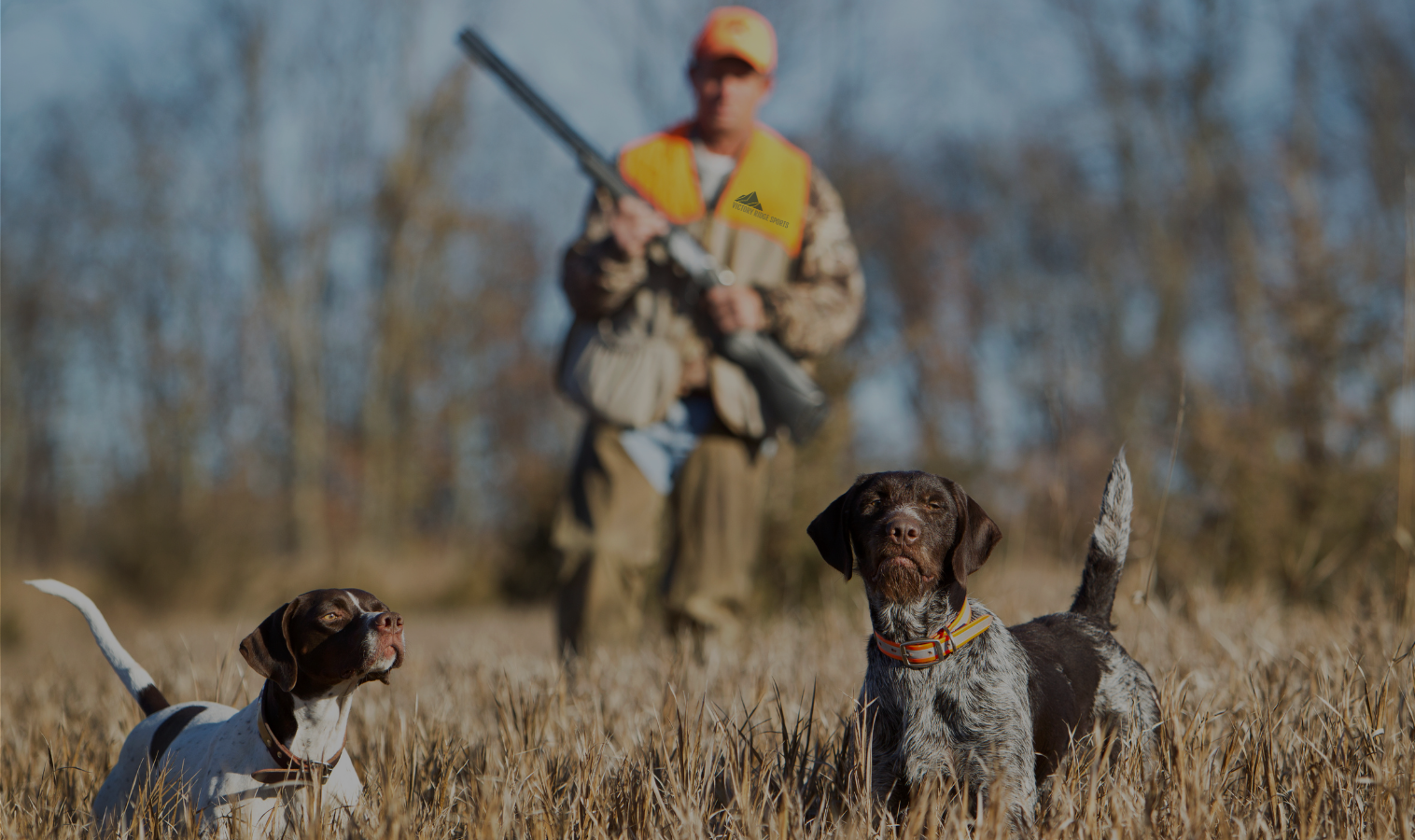
Public land hunting can be one of the most rewarding experiences, offering hunters vast tracts of land and the thrill of pursuing game in a natural environment. However, it also presents unique challenges—from hunting pressure to managing terrain diversity. This guide provides effective strategies for deer and duck hunting on public land, helping you maximize success while enjoying your time outdoors.
Key Scouting Strategies for Public Land
1. The Importance of E-Scouting and Ground Verification
Scouting is the cornerstone of successful public land hunting. Using apps like onX Hunt or Google Earth can help you identify promising areas without physically being there. These digital tools provide insights into topography, vegetation types, and access points. E-scouting helps narrow down locations, while ground verification (boots on the ground) confirms the viability of these areas.
Kevin Vistisen from the Deer Hunter Podcast emphasizes the importance of eliminating “mono-landscapes”—areas with limited diversity—while focusing on key features like mixed vegetation or water sources that can attract deer and ducks. Once potential spots are identified, in-person scouting ensures that you find fresh tracks, droppings, and any overlooked hunting pressure.
2. Utilize Area Managers and Biologists
One of the most overlooked resources when hunting public lands is consulting the area manager or biologist. These experts often have deep knowledge of the local habitat, including feeding areas and less obvious spots where deer or ducks might congregate. Engaging with them after doing your homework can provide invaluable insights that may help you find spots overlooked by others.
3. Avoiding Obvious Hotspots
It might be tempting to set up near easily accessible fields or open food sources. However, these spots often receive significant hunting pressure, making the game wary. Instead, focus on areas that require extra effort to reach, such as thickets, swamps, or backwater marshes. Hunting in less accessible places often gives you an edge, especially during weekends when pressure on public lands peaks.
Finding the Best Public Land Spots
1. Look for Underutilized Public Parcels
One effective way to find the best hunting spots on public land is to target smaller, overlooked parcels. Many hunters focus on larger tracts of land, but smaller areas can hold significant game with less competition. Use digital tools like onX Hunt to locate these parcels and assess their potential. These areas might be hard to reach or seem less promising at first glance, but they can provide great opportunities, especially when hunting pressure is high elsewhere.
2. Target Areas Near Private Land Boundaries
Public land adjacent to private property often has higher wildlife activity, particularly if the private land is used for agriculture or has less hunting pressure. Deer and ducks may move back and forth between private and public lands, providing excellent hunting opportunities if you position yourself strategically. Ensure you understand the property boundaries by using apps with boundary layers to stay legal and avoid trespassing.
3. Focus on Terrain Diversity
Areas with varied terrain—such as a combination of wetlands, woodlands, and open fields—tend to attract more game. Deer and ducks prefer habitats that provide food, water, and cover all within a short distance. Using a topographical map can help you identify areas with the right mix of resources that wildlife needs, increasing your chances of finding productive hunting spots.
Effective Strategies for Managing Hunting Pressure
1. Hunt on Weekdays
Public land tends to be busiest on weekends. If your schedule allows, plan to hunt during weekdays when hunting pressure is typically lower. This can be especially beneficial during the early season when the game is less educated and more responsive to calls and decoys.
2. Mobile Hunting Tactics
Being adaptable is crucial on public land. Hunting pressure often shifts game movements, making a mobile hunting setup advantageous. Lightweight tree stands, climbing sticks, or a ground blind provide flexibility, allowing you to quickly relocate based on fresh signs or changing conditions. It is important to have several spots pre-scouted and ready to hunt, depending on the conditions of the day, such as wind direction.
3. Don’t Park Where Everyone Else Does
Animals tend to pattern hunters. To improve your odds, avoid parking your vehicle in obvious spots. Instead, consider alternate entry points and hike in from different angles. This strategy can help you catch animals that are avoiding high-traffic areas, especially during the peak hunting season.
Essential Gear for Public Land Hunts: Pack Smart, Stay Mobile
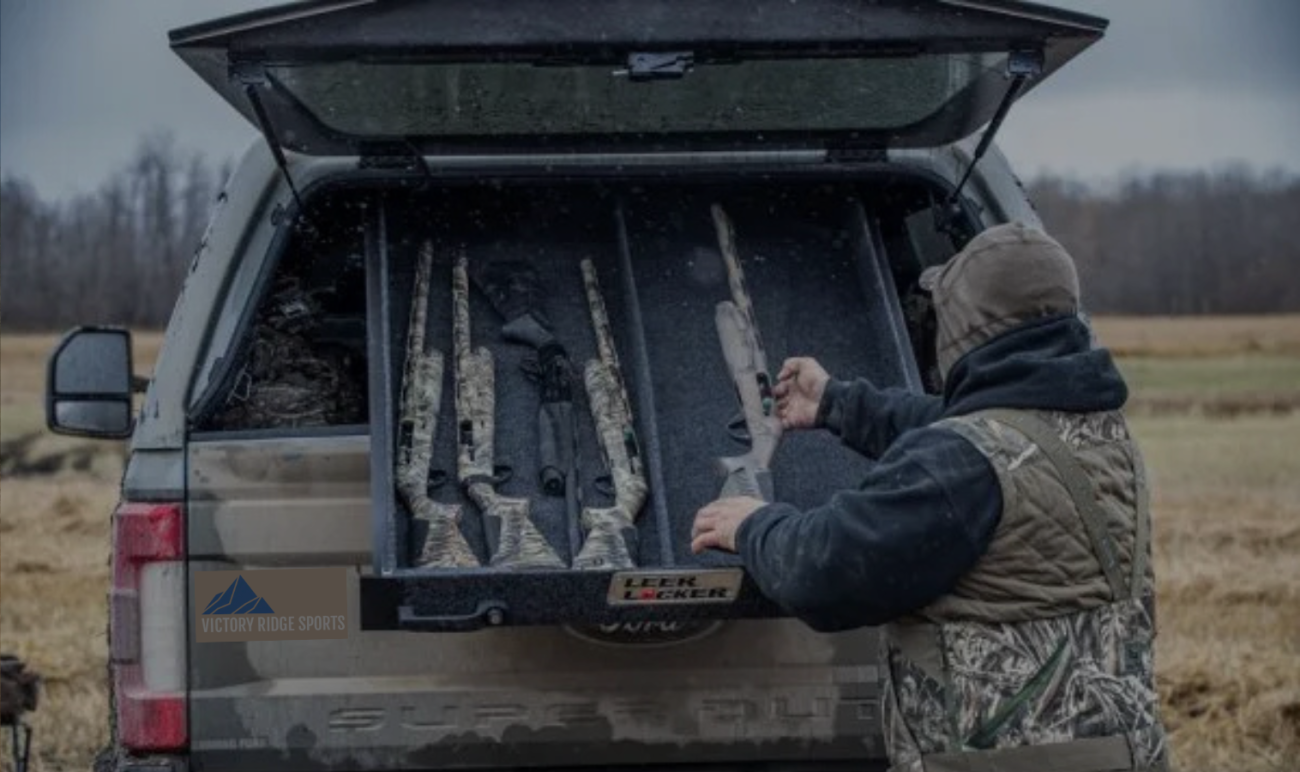
Public land hunting requires thoughtful packing to ensure you’re prepared but not overburdened. Staying mobile is crucial, so focus on lightweight gear that can be carried comfortably over long distances. Here are the essentials:
- Navigation Tools: Apps like onX Hunt or Google Maps are crucial for identifying boundaries and navigating challenging terrains.
- Trail Cameras: Deploy trail cameras in key areas to monitor deer movement patterns.
- Lightweight Stand or Blind: Choose portable options for adaptability. Mobile stands like climbing sticks are ideal for quickly relocating.
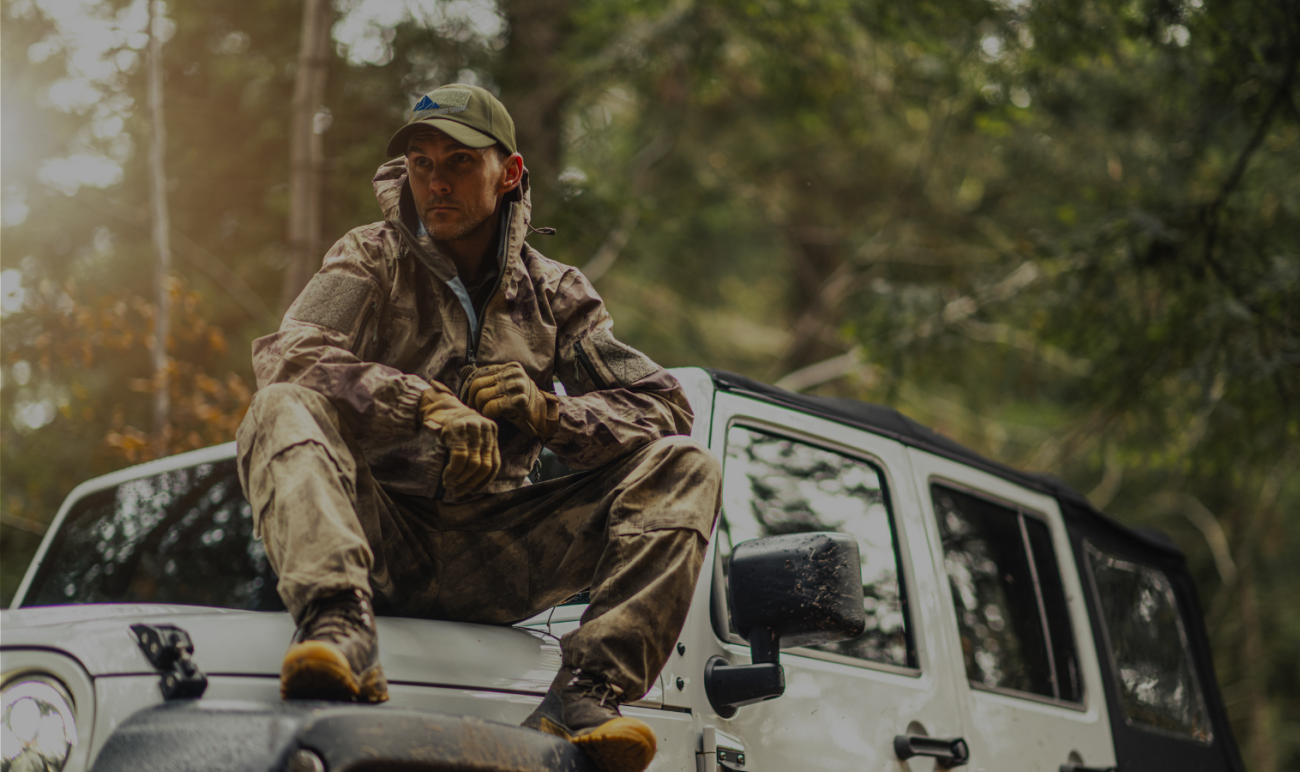
- Camouflage Clothing: Camouflage should match the terrain. Blending into your environment is vital to staying undetected.
- Decoys for Waterfowl: Bringing versatile, lightweight decoys is key for effective deer and duck hunting on public waters.
- Backpack: A comfortable backpack that can hold essentials while keeping you agile is a must. Look for hunting-specific packs with rifle or bow carry options.
- Water and Snacks: Staying hydrated and fueled is crucial for long hunts. Carry high-protein snacks and ample water.
- First Aid Kit and Safety Gear: Safety is paramount, especially when navigating unfamiliar terrain. Carry a basic first aid kit and a compact emergency whistle.
Safety and Navigation: Stay Safe, Stay Informed
Deer and Duck Hunting on public land presents unique challenges, especially with many other hunters sharing the same space. To stay safe and informed, you should:
- Know the Boundaries: Use GPS-enabled apps with property boundary data to avoid trespassing. Public lands can have confusing boundaries, so stay informed to hunt legally.
- Communication Devices: Cell service can be unreliable. Carry a two-way radio or a satellite communicator to stay in touch in remote areas.
- First Aid and Survival Tools: A first aid kit and compact survival tools like a fire starter and multi-tool are essential for emergencies. If deer and duck hunting deep in public lands, be prepared for unexpected weather changes or other challenges.
- Mark Your Path: Use trail markers or digital waypoints to track your route. This is particularly useful for finding your way back to camp or when packing out game in dense terrain.
- Respect Fellow Hunters: Safety extends beyond yourself. Be mindful of other hunters, share your space respectfully, and avoid crowding others. Wearing hunter orange in deer season is an important safety measure to remain visible to others.
1. Essential Gear for Deer and Duck Hunting
- Navigation Tools: Apps like onX Hunt or Google Maps are essential for finding public versus private boundaries, topographical features, and less-pressured areas.
- Trail Cameras: When permissible, trail cameras can help monitor specific spots over time, especially useful for identifying patterns of deer movement.
- Camouflage and Concealment: Effective camouflage is vital to staying hidden. Use natural vegetation to blend in or opt for camo patterns that match the area.
- Lightweight Mobile Stand or Blind: For adaptability, a lightweight climbing stand or portable blind allows you to adjust to changing game movement and wind conditions.
- Decoys for Ducks: Bringing a few high-quality decoys and understanding their placement can significantly improve your chances during duck hunts, especially on heavily pressured public water bodies.
2. Safety and Etiquette Gear
- First Aid Kit: Safety is paramount, especially on remote public lands. Carrying a basic first aid kit and knowing how to use it can make all the difference.
- Communication Devices: Ensure you have a charged cell phone or a two-way radio for areas with limited cell coverage.
- Proper Licensing and Boundary Awareness: Be aware of public versus private land boundaries, and always carry the correct licences. Using an app with GPS and land boundary layers helps prevent trespassing and ensures you remain compliant with regulations.
Adapting Strategies to Different Game: Deer vs. Duck Hunting
1. Deer Hunting on Public Land
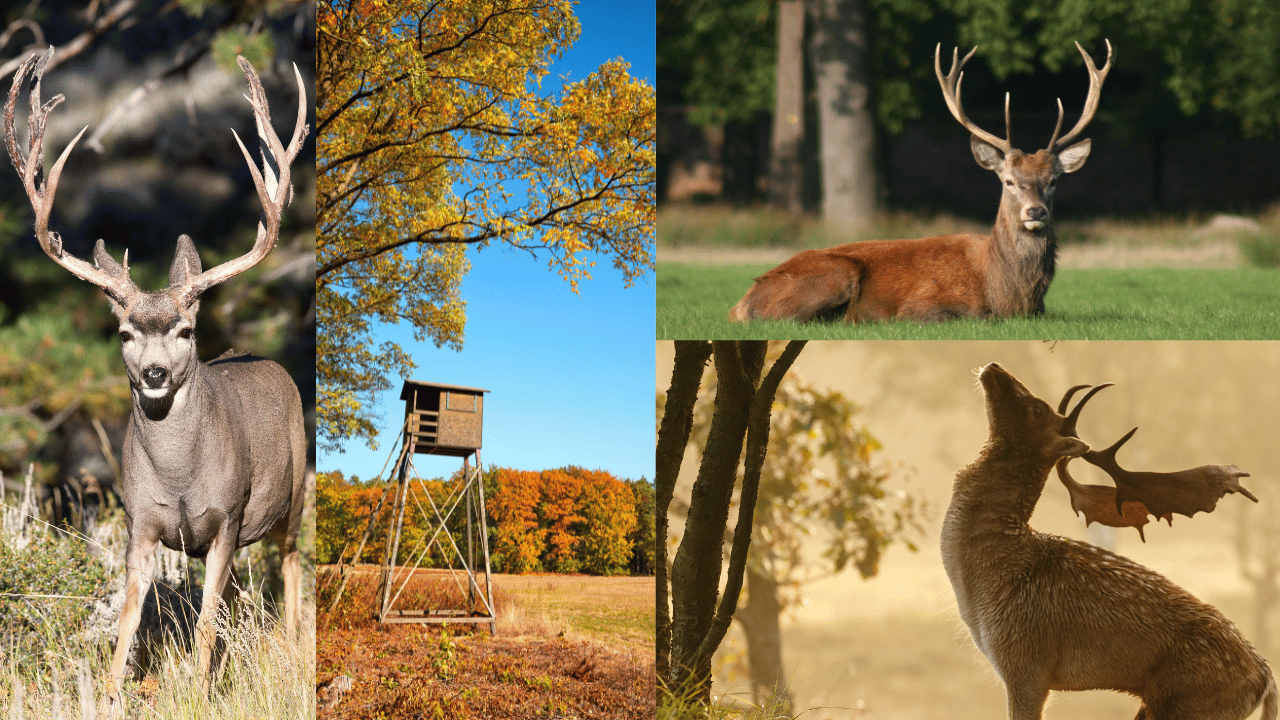
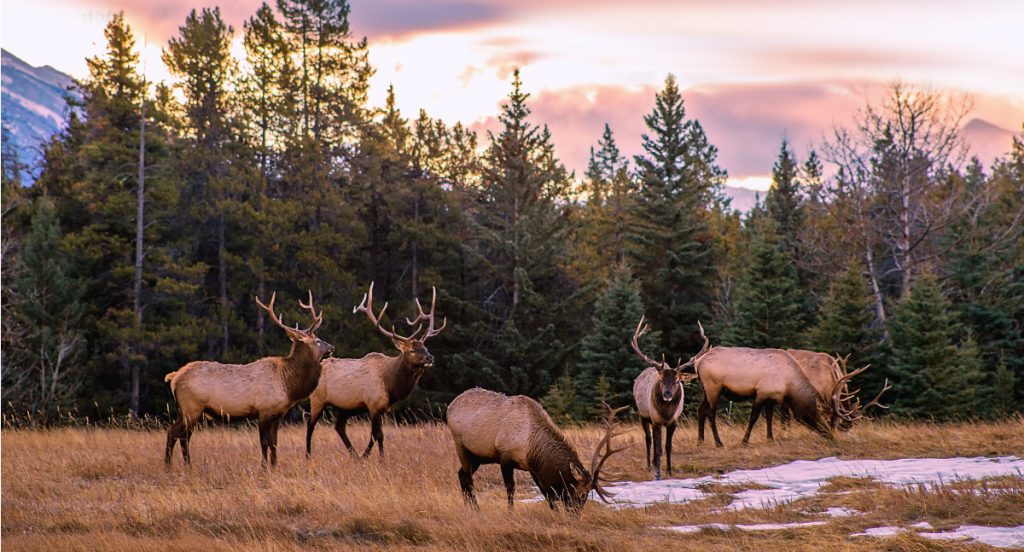
When deer and duck hunting, focus on transition areas where two types of cover meet—for example, between a thick bedding area and a more open feeding area. Deer use these areas for security while traveling, making them prime locations for ambushing. During the rut, bucks are particularly active along these edges, making them excellent spots for setting up.
In larger public tracts, like National Forests or Grasslands, it’s essential to identify specific features such as river corridors or ridges, which can concentrate deer movement. Eliminating vast areas through e-scouting allows you to focus on specific high-traffic zones.
2. Duck Hunting on Public Land
Duck hunting on public land often means sharing space with other hunters. Decoy placement and early arrival are key to securing a good spot. Set up in areas with natural cover, such as cattails or brush, and use motion decoys to make your setup more convincing. Adjust decoy spreads based on the number of hunters around you—sometimes less is more, particularly if ducks are wary due to pressure.
Scouting water bodies is crucial for duck hunting success. Look for secluded ponds or backwaters that are harder to access, as these tend to be less pressured and hold more birds, especially later in the season when ducks are conditioned to avoid obvious locations.
Conclusion
Public land hunting requires adaptability, patience, and thorough preparation. By effectively using e-scouting tools, consulting area managers, managing hunting pressure, and being ready to adapt your strategies, you can greatly improve your chances of success. Whether you’re after deer in dense forests or ducks on secluded waters, preparation is key.
Use these tips, refine your strategies, and enjoy the adventure that public land hunting offers., patience, and thorough preparation. By effectively using e-scouting tools, consulting area managers, managing hunting pressure, and being ready to adapt your strategies, you can greatly improve your chances of success. Whether you’re after deer in dense forests or ducks on secluded waters, preparation is key. Use these tips, refine your strategies, and enjoy the adventure that public land hunting offers.