
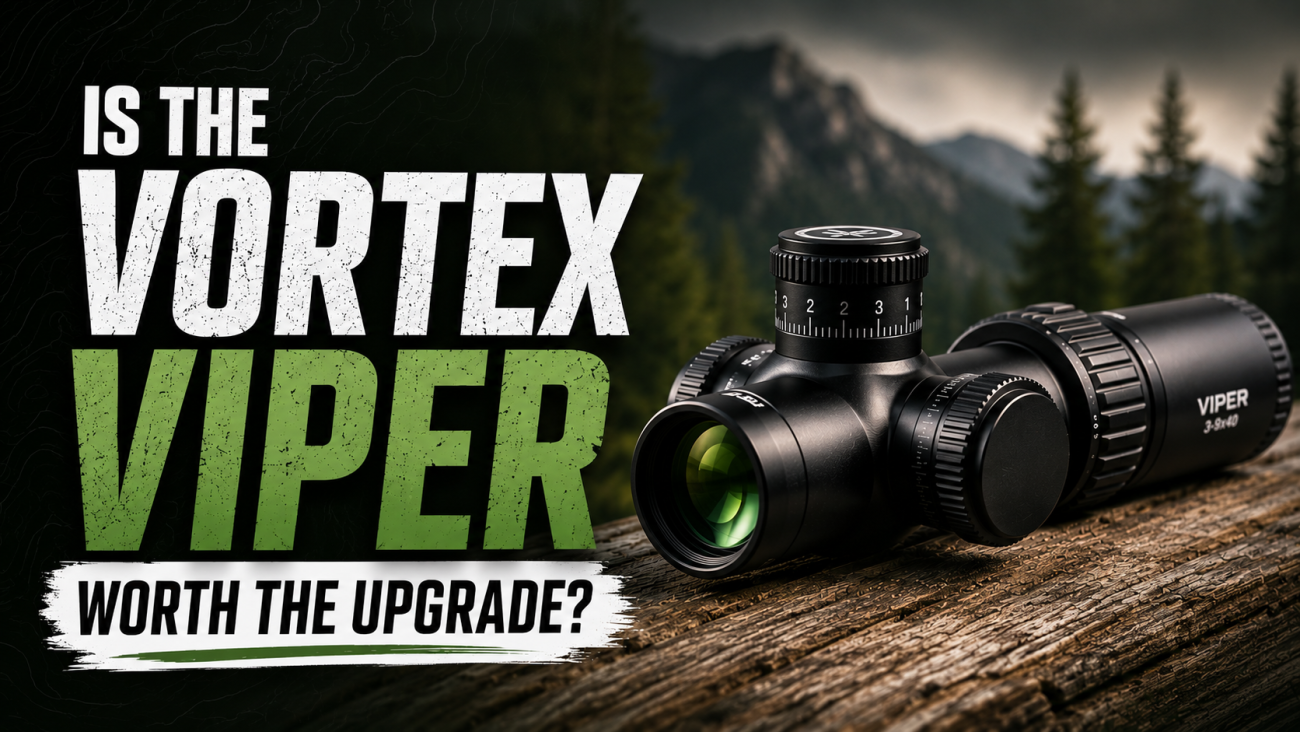
The Vortex Viper name carries a lot of weight in the optics world. Ask around any Canadian range or hunting camp and you’ll hear it mentioned constantly, usually followed by some version of “best bang for your buck.” But “the Vortex Viper” isn’t actually one product. It’s an entire family of riflescopes, red dots, and rangefinders spanning everything from a $539 shotgun optic to a $1,599 precision rifle scope.
So when someone asks “is the Vortex Viper worth the upgrade,” the honest answer is: it depends entirely on which Viper, and what you’re upgrading from. In this blog post we will give you the honest pros and cons, and help you figure out exactly which Vortex Viper belongs on your rifle, if any.
The Short Answer: Yes, If You Match the Right Viper to Your Needs
For the majority of Canadian hunters and shooters stepping up from an entry-level scope, the Vortex Viper is absolutely worth the upgrade. You get genuinely better glass, reliable turret tracking, a true zero stop on the precision models, and the best warranty in the business. The Viper line hits the sweet spot between budget optics that hold you back and premium glass that costs more than your rifle.
But it’s not a blanket “yes.” If you hunt almost exclusively in the last ten minutes of legal light in heavy timber, the Viper’s low-light performance lags behind comparably priced Leupold glass. And if your shots never exceed 200 yards from a stand, you may be paying for precision features you’ll never use. The key is matching the right Viper to your actual use case, which is exactly what the rest of this guide will help you do.
The Vortex Viper Lineup Explained (It’s Not Just One Scope)
Before you can decide whether the Viper is worth it, you need to understand that “Viper” spans four distinct product categories. Confusing them is the single most common mistake buyers make. Here’s how the lineup breaks down.
Viper HS — The Affordable Hunting Scope
The Viper HS (Hunting Shooting) is the entry point into the Viper riflescope line. It uses a wire reticle in a second focal plane configuration, capped or exposed turrets depending on the model, and XD glass that punches above its price. It’s built for hunters who want clear glass and reliable performance at typical hunting ranges without paying for tactical features they won’t use. This is the value play in the Viper scope family.
Viper PST Gen II — The Precision and Long-Range Workhorse
The PST (Precision Shooting Tactical) Gen II is the heart of the Viper lineup and the model most people mean when they say “Vortex Viper.” It features glass-etched reticles (available in first or second focal plane), exposed tactical turrets with the RZR zero stop, an illuminated reticle, and adjustable parallax. The PST Gen II is the bridge scope for hunters who also want to reach out and play the long-range game, and it’s hugely popular in the PRS and PRL competition communities.
Viper HD — The Lightweight Premium Glass Upgrade
The newest addition, the Viper HD, brings upgraded glass coatings, wider field of view, improved turrets, and lighter weight than the PST. It’s positioned for hunters who want premium optical performance in a package light enough for mountain and backcountry hunts. If you’ve found the PST a touch heavy for long carries, the HD is the answer.
Viper Red Dots and Rangefinders — The Rest of the Ecosystem
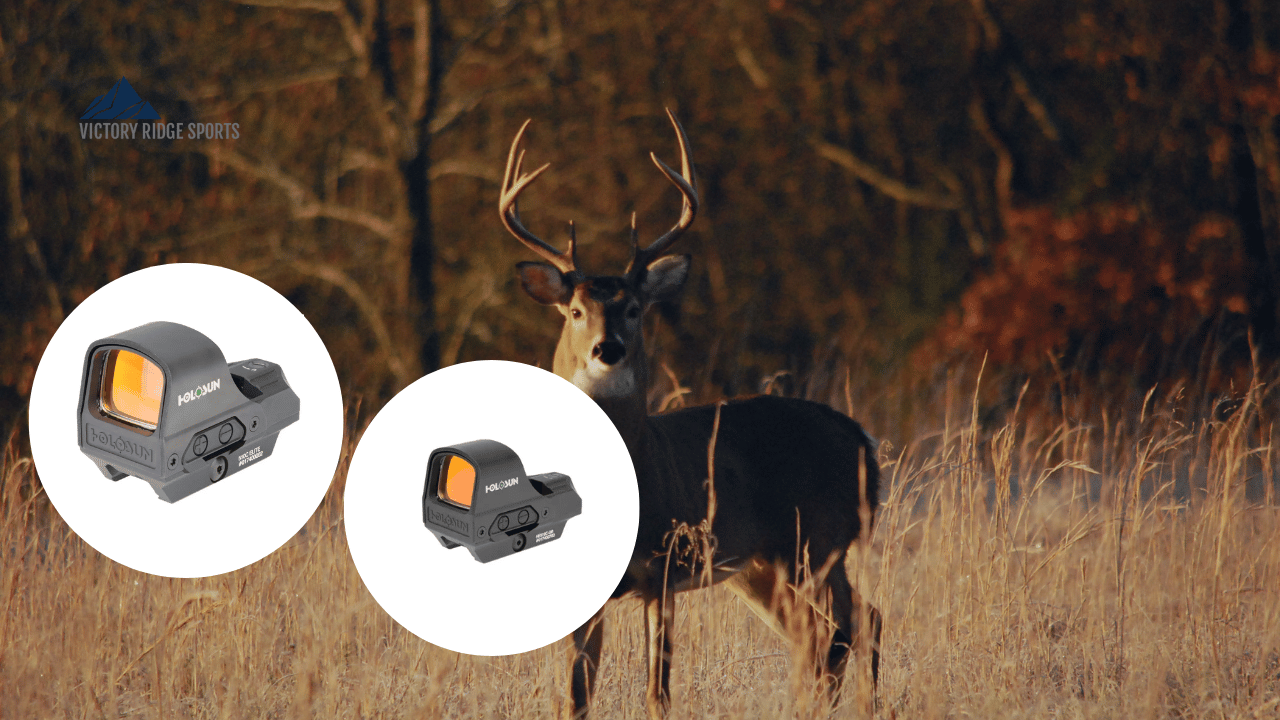
Most reviews stop at scopes, but the Viper name also covers the SG Enclosed Micro red dots (purpose-built for shotguns and turkey hunting), the Viper Micro red dot for handguns and MSRs, and the Viper HD 3000 laser rangefinder. If you’re building a complete Viper-based setup, these round out the system and pair seamlessly with the scopes.
Decoding Vortex Viper Reticles (EBR-4, EBR-7C, EBR-2C, BDC, MOA vs MRAD)
Here’s where most buyers get lost. The Viper scopes come in a dizzying array of reticle and turret combinations, and the product names read like alphabet soup. Let’s translate them into plain English so you can actually choose with confidence.
MOA vs MRAD: Which Should You Choose?
MOA (minute of angle) and MRAD (milliradian) are two different units for measuring your adjustments and holdovers. Neither is more accurate. MOA breaks down into finer increments (1/4 inch clicks) and feels intuitive if you think in inches and yards, which most Canadian hunters do. MRAD is the standard in precision and military circles and is faster for communicating corrections in a team setting. The simple rule: if you hunt and think in yards and inches, choose MOA. If you’re getting into precision rifle competition where everyone speaks mils, choose MRAD. Just make sure your reticle and turrets match — never mix MOA turrets with an MRAD reticle.
SFP vs FFP: What It Actually Means for Hunting
SFP (second focal plane) keeps the reticle the same visual size at every magnification, which makes it cleaner and easier to see, especially in low light. The tradeoff is that your holdover marks are only accurate at one specific magnification (usually max power). FFP (first focal plane) reticles grow and shrink with magnification, so your holdovers are accurate at every power. FFP is the better choice for precision and variable-range shooting; SFP is often the better choice for hunting where you want a clean, visible reticle and typically shoot at max magnification anyway.
Quick Reticle Cheat Sheet
| Reticle | Type | Best For |
| BDC | Simple holdover | Hunting, fast holdovers at known ranges |
| EBR-4 | Hunting/tactical hybrid | All-around hunting with holdover precision |
| EBR-2C | Precision Christmas-tree | Long-range target and competition |
| EBR-7C | Detailed precision tree | Serious PRL/PRS, busy but capable |
| VMR-1 | MOA/MRAD hash | Versatile tactical and long-range |
Where the Vortex Viper Shines, and Where It Falls Short?
No optic is perfect, and anyone who tells you a $1,000 scope has zero compromises is selling something. Here’s the honest breakdown built from real-world reviews and field reports.
What the Viper Does Exceptionally Well?
The Viper line delivers reliable, repeatable turret tracking that holds zero through hundreds of rounds, even on hard-recoiling magnums. Reviewers routinely report 600+ rounds of .300 Win Mag with no zero shift. The XD glass is sharp and clear in normal daylight conditions, the RZR zero stop on the PST models is genuinely useful for dialing back to your hunting zero, and the illuminated reticles help in low-contrast situations. For the price, the optical and mechanical performance is hard to beat.
The Honest Limitations
Two weaknesses come up consistently. First, low-light performance trails comparably priced Leupold VX-5HD glass. Hunters who routinely shoot in the final minutes of legal light in heavy timber notice the difference. Second, the PST Gen II’s zero-stop setup procedure is fiddly — one reviewer memorably called it a “Rube Goldberg contraption.” It works well once set, but the initial setup is more involved than it should be. The PST models are also on the heavier side at around 28 to 31 ounces, which matters for backcountry hunters counting every ounce.
The Vortex VIP Warranty: Why It Tips the Scale
This is the factor that wins arguments. The Vortex VIP Warranty is unlimited, unconditional, and fully transferable with no receipt required. Break it, flood it, drop it off a cliff — Vortex repairs or replaces it, no questions asked. No competitor at this price point offers anything close, and it effectively eliminates the long-term risk of your investment.
Is the Upgrade Actually Worth It for You?
So we arrive at the real question. Here’s the decisive, honest answer based on who you are and how you shoot.
Upgrade If You’re a Hunter Reaching Past 300 Yards
If you’ve started taking shots beyond 300 yards or hunting open country where longer shots happen, a Viper PST Gen II or Viper HS with a BDC or EBR-4 reticle gives you the holdover precision and glass clarity your entry-level scope can’t match. This is the clearest “yes” in the lineup.
Upgrade If You’re Getting Into Precision or PRL Shooting
If you’re entering precision rifle competition or serious long-range target work, the PST Gen II in FFP with an EBR-2C or EBR-7C reticle is a proven, affordable platform that won’t hold you back as you develop. Many competitors run Vipers for years.
Skip It If You Hunt Tight Timber in Low Light
If your hunting is almost entirely close-range in heavy cover during the last minutes of shooting light, your money is better spent on glass optimized for low-light transmission, such as a Leupold VX-5HD. Be honest about your actual hunting conditions before you buy.
5 Vortex Viper Products Worth Buying at Victory Ridge Sports
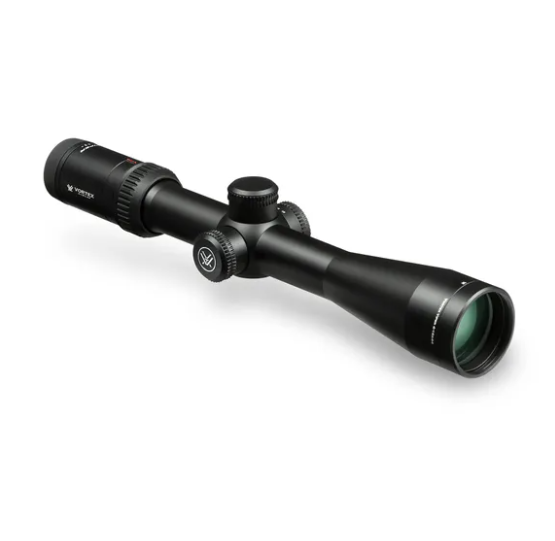
After all the theory, here are the five Viper products we stock and recommend most often, matched to specific use cases and budgets. Every one is available at Victory Ridge Sports.
Vortex Viper PST Gen II 3-15×44 SFP EBR-4 MOA — Best All-Around Hunter
Price: $1,249 CAD
This is the Viper most Canadian hunters should buy. The 3-15x magnification covers everything from close bush shots at 3x to open-field opportunities at 15x, and the second focal plane EBR-4 reticle stays clean and visible while still offering precise holdovers. The glass-etched reticle, RZR zero stop, and illuminated centre make it a complete hunting package that handles the vast majority of Canadian big-game scenarios without being overkill.
Vortex Viper PST Gen II 5-25×50 EBR-2C MRAD — Best Long-Range Deal
Price: $999 CAD (down from $1,299)
At $300 off, this is the standout value in the entire Viper lineup right now. The 5-25x magnification and 50mm objective make it a genuine long-range performer, and the FFP EBR-2C reticle is purpose-built for precision dialing and holdovers. This is the scope for hunters pushing past 400 yards and shooters getting into PRL. At this sale price, it competes with optics costing significantly more.
Vortex Viper HS 4-16×44 BDC MOA — Best Value Hunting Scope
Price: $579 CAD (down from $679)
If the PST has more scope than you need, the Viper HS delivers the same trusted Viper glass quality in a simpler, lighter, more affordable package. The 4-16x range and BDC reticle are ideal for straightforward holdover hunting, and at under $600 on sale, it’s the easiest entry point into Viper-tier optics. Browse it and the full lineup on the Vortex collection at Victory Ridge Sports.
Vortex Viper HD 3000 Laser Rangefinder — Complete Your System
Price: $599 CAD
A precision scope is only half the equation — you need to know the distance. The Viper HD 3000 ranges out to 3,000 yards with a stunning HD optical system, four target modes (Normal, First, Last, ELR), and two ranging modes (LOS, HCD). Whether you’re in a treestand or glassing a mountain face, it lets you act quickly and confidently. It’s the natural companion to any Viper scope build.
Vortex Viper SG Enclosed Micro Red Dot — Best for Shotguns and Turkey Hunting
Price: $539 CAD
Purpose-built for the fast pace of turkey hunting and wingshooting, this enclosed micro red dot delivers an ultra-low-profile design and wide field of view for intuitive shooting. The enclosed 6061 aluminum housing protects against debris and moisture, the aspherical lens gives a distortion-free sight picture, and motion activation with 10-minute auto-shutoff saves battery life. If your upgrade is for a shotgun rather than a rifle, this is the Viper for you.
Don’t Forget the Mounting and Accessories
A scope is only as good as the mount it sits in, and a cheap mount on a quality Viper is a false economy that will cost you your zero. For 34mm Viper tubes, the Vortex Viper Extended Cantilever 34mm mount provides the correct height and forward placement for proper mounting at $249. Round out the setup with Vortex Defender flip caps to protect your glass from rain, snow, and dust, and a Sure Fit riflescope cover for transport and storage. These small additions protect a significant investment and keep your optic performing for years.
Final Thoughts
At Victory Ridge Sports, we stock the full Vortex Viper lineup because we trust it in our own setups. Based in Barrie, Ontario, our team of active hunters and competitive shooters helps Canadian shooters match the right optic to their rifle, their quarry, and their budget. We offer expert advice, competitive pricing, and free shipping on orders over $250 CAD Canada-wide. Browse the full Vortex collection.
FAQ
Is the Vortex Viper PST Gen II worth it?
Yes, for hunters shooting past 300 yards and shooters entering precision rifle work. The PST Gen II delivers reliable turret tracking, clear glass, a true zero stop, and the unbeatable Vortex VIP warranty at a mid-range price. It’s not the best choice for low-light timber hunting, where Leupold glass performs better.
What’s the difference between Viper HS, PST, and HD?
The Viper HS is the affordable hunting scope with a wire reticle. The PST Gen II is the precision/long-range model with glass-etched reticles, tactical turrets, and a zero stop. The Viper HD is the newest premium option with upgraded glass, wider field of view, and lighter weight for backcountry hunting.
Should I choose MOA or MRAD on a Vortex Viper?
Choose MOA if you hunt and think in yards and inches — it’s more intuitive for most Canadian hunters. Choose MRAD if you’re getting into precision rifle competition where mils are the standard. Always match your reticle and turret units; never mix them.
Is the Vortex Viper good for low-light hunting?
The Viper performs well in normal daylight through dusk, but its low-light performance trails comparably priced Leupold VX-5HD glass. If you hunt heavy timber in the final minutes of legal light, consider a scope optimized specifically for low-light transmission.
Does the Vortex Viper come with a warranty?
Yes. Every Vortex Viper product is covered by the Vortex VIP Warranty — unlimited, unconditional, fully transferable, and requiring no receipt or registration. It’s one of the best warranties in the optics industry.