Skeet shooting is one of those outdoor sports that feels simple at first but gets more exciting as you learn the basics. It involves hitting clay targets that fly across the sky from different angles. With the right approach, anyone can start and enjoy the process. This skeet shooting guide will help you understand how it all works in a clear and easy way.
You will learn about the rules, the gear you need, and simple tips to improve your shots. Many beginners start with little knowledge, but they quickly build confidence with practice. From choosing the right shotgun to learning how to track moving targets, each step matters. This guide to skeet shooting also shares practical advice that real shooters use. By the end, you will have a strong idea of how to get started and how to keep improving over time.
What Is Skeet Shooting?
Skeet shooting is a shooting sport where you try to hit small clay targets that fly through the air. These targets, often called “clay pigeons,” are launched from two fixed points called the high house and the low house.
Shooters stand at different positions, known as stations, arranged in a half-circle. As the targets are released, they cross in front of the shooter at different angles and speeds. The goal is simple: track the moving target and hit it before it lands.
A standard round of skeet shooting usually includes 25 shots, and each hit counts toward your score. It’s not just about firing the gun—it’s about timing, focus, and smooth movement.
People enjoy skeet shooting for practice, competition, or just as a fun outdoor activity. It’s beginner-friendly but also challenging enough for experienced shooters to keep improving their skills.
How Skeet Shooting Actually Works?
Skeet shooting follows a simple but structured setup. Targets are launched from two fixed points, and shooters move through a set of stations placed in a semi-circle. Each shot comes from a different angle, which keeps the game interesting and helps build real shooting skills. Once you understand the layout and flow, everything starts to feel natural.
High House vs Low House
The high house and low house are the two points where clay targets are launched.
- The high house throws targets from a raised position on one side of the field
- The low house launches targets from a lower position on the opposite side
These targets cross each other in the air, creating different angles for every shot. This setup trains your eye to track movement and react quickly.
The 8 Shooting Stations Explained
Skeet shooting has 8 stations, arranged in a half-circle between the two houses.
- Stations 1 to 7 form the semi-circle
- Station 8 sits directly in the center, between the high and low house
At each station, you shoot targets coming from different directions. As you move from one station to another, the angle and difficulty change. This keeps the round balanced and challenging.
Target Release and Shooting Sequence
Each round follows a fixed shooting sequence.
- Targets are released one at a time or in pairs (called doubles)
- You shoot both single targets and crossing targets
- A full round usually includes 25 shots
The key is to stay ready, track the target smoothly, and take your shot at the right moment. Timing matters more than speed, and with practice, your rhythm improves naturally.
How to Start Skeet Shooting (Step-by-Step Guide)
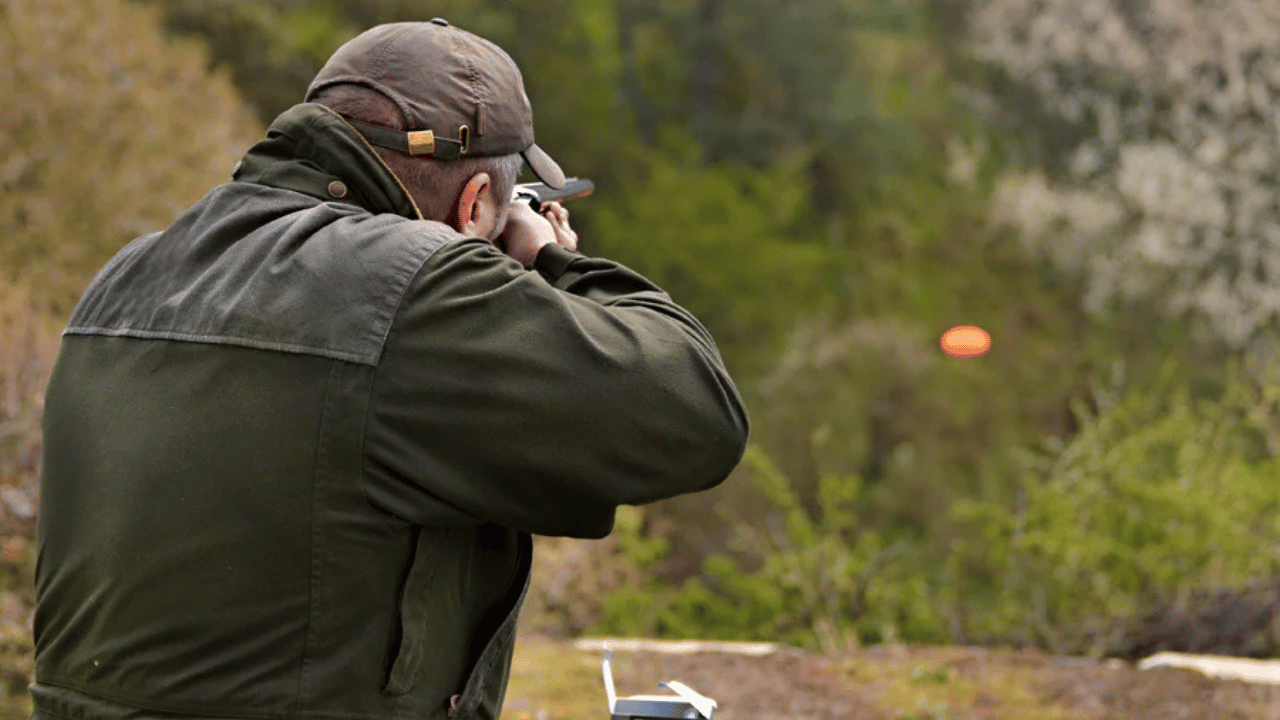
Getting started with skeet shooting does not feel complicated once you understand the basics. You do not need advanced skills in the beginning. You just need the right setup, a bit of guidance, and consistent practice. This step-by-step skeet shooting guide will help you build confidence and improve your shooting from day one.
Here’s a step by step guide for beginners:
Learn the Range Layout
Start by understanding how the skeet field is set up. Notice where the high house and low house stand. Look at how the 8 stations form a half-circle. This helps you know where targets will come from and where they will cross. When you know the layout, you feel more prepared before taking your first shot.
Choose the Right Shotgun
Pick a shotgun that feels comfortable in your hands. Most beginners use a 12-gauge or 20-gauge shotgun. The weight, fit, and balance matter more than anything else. A well-fitted shotgun helps you aim better and control recoil. Keep it simple in the beginning and focus on comfort.
Practice Proper Stance and Grip
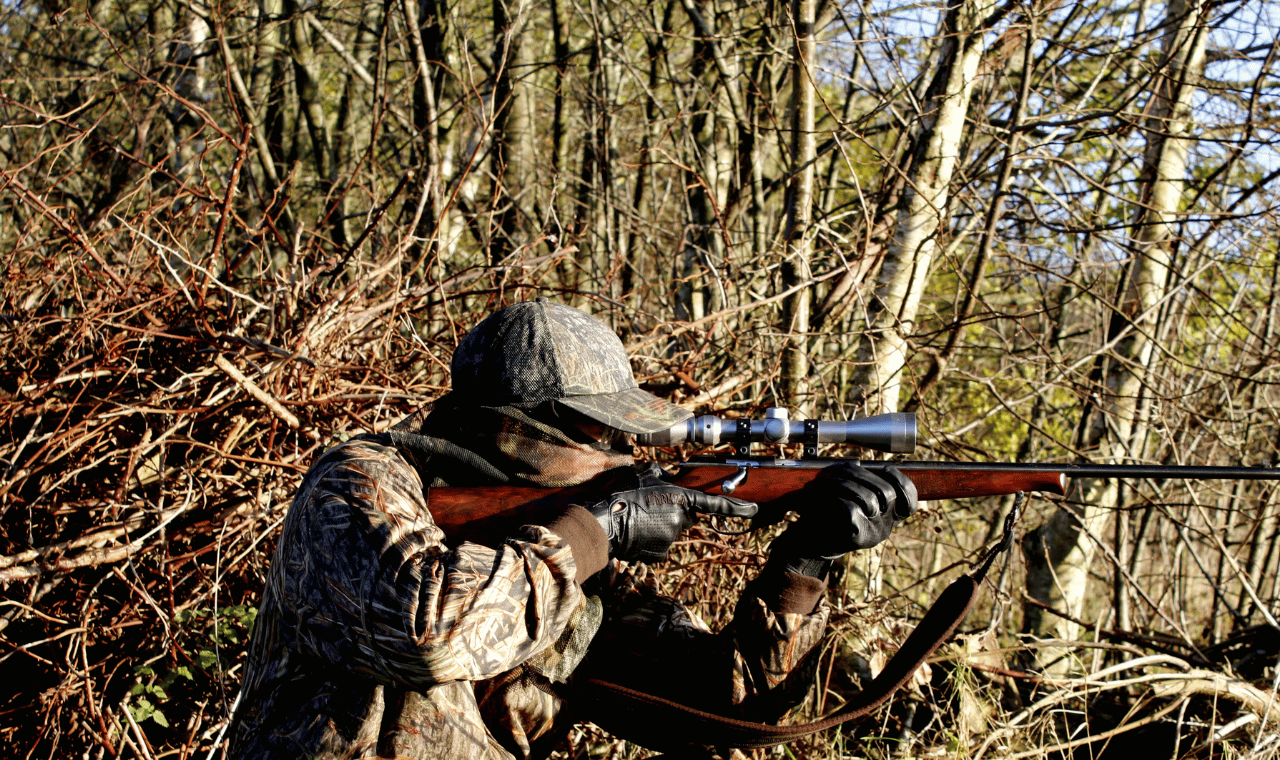
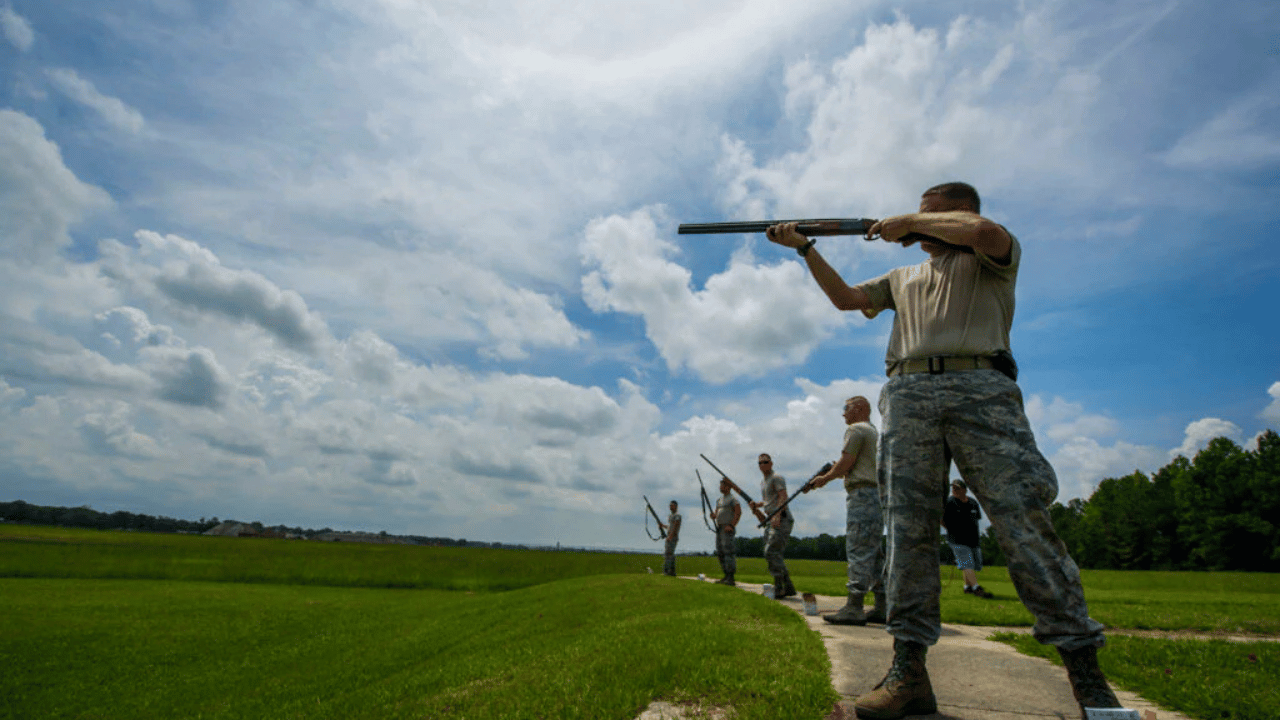
Stand with your feet stable and slightly open toward the target area. Keep your body relaxed but steady. Hold the shotgun firmly but do not tighten up. Your stance should allow smooth movement as you follow the target. Good posture makes a big difference in accuracy.
Focus on Target Tracking
Keep your eyes on the clay target from the moment it appears. Do not look at the gun barrel. Move the shotgun along with the target in one smooth motion. This helps you stay aligned and improves your chances of hitting it. Tracking is one of the most important skills in this skeet shooting guide.
Start with Single Targets, Then Doubles
Begin with single targets to build confidence. Take your time and focus on timing and control. Once you feel comfortable, move on to doubles where two targets launch at the same time. This step adds challenge and helps you improve faster.
How Much Does Skeet Shooting Cost in Canada?
Skeet shooting in Canada is a fairly affordable hobby, especially once you get into a routine. Most shooters spend money on range fees and ammunition each time they visit. A typical round of 25 targets usually costs around $6 to $12 depending on whether you are a member or not. On top of that, you will need a box of shotgun shells, which can cost around $13 to $17. This brings the average cost per round to about $25 to $35. If you shoot a few rounds in one session, the total can add up to $50 or more. Many regular shooters choose to get a club membership, which often costs between $100 and $300 per year and helps lower the per-round price. While the initial cost of gear like a shotgun and safety equipment can be higher, ongoing costs remain manageable for most people.
Is Skeet Shooting Safe?
Shooting ranges are designed with safety in mind, and most clubs have clear guidelines that everyone must follow. Trained staff or range officers are often present to make sure everything runs safely.
The most important part is how you handle the shotgun. Always keep the barrel pointed in a safe direction and only load the gun when you are ready to shoot. Wearing eye and ear protection is also essential to protect yourself during every session.
Beginners usually learn safety rules before they even take their first shot, which helps build good habits early. When you follow these basic precautions, skeet shooting becomes a controlled and enjoyable activity for people of all skill levels.
Is Skeet Shooting For You?
Skeet shooting is a great choice if you enjoy outdoor activities and want to build focus, timing, and coordination. It works well for both beginners and experienced shooters because you can start simple and improve at your own pace. With the right mindset and regular practice, it becomes both a fun hobby and a rewarding skill to develop over time.
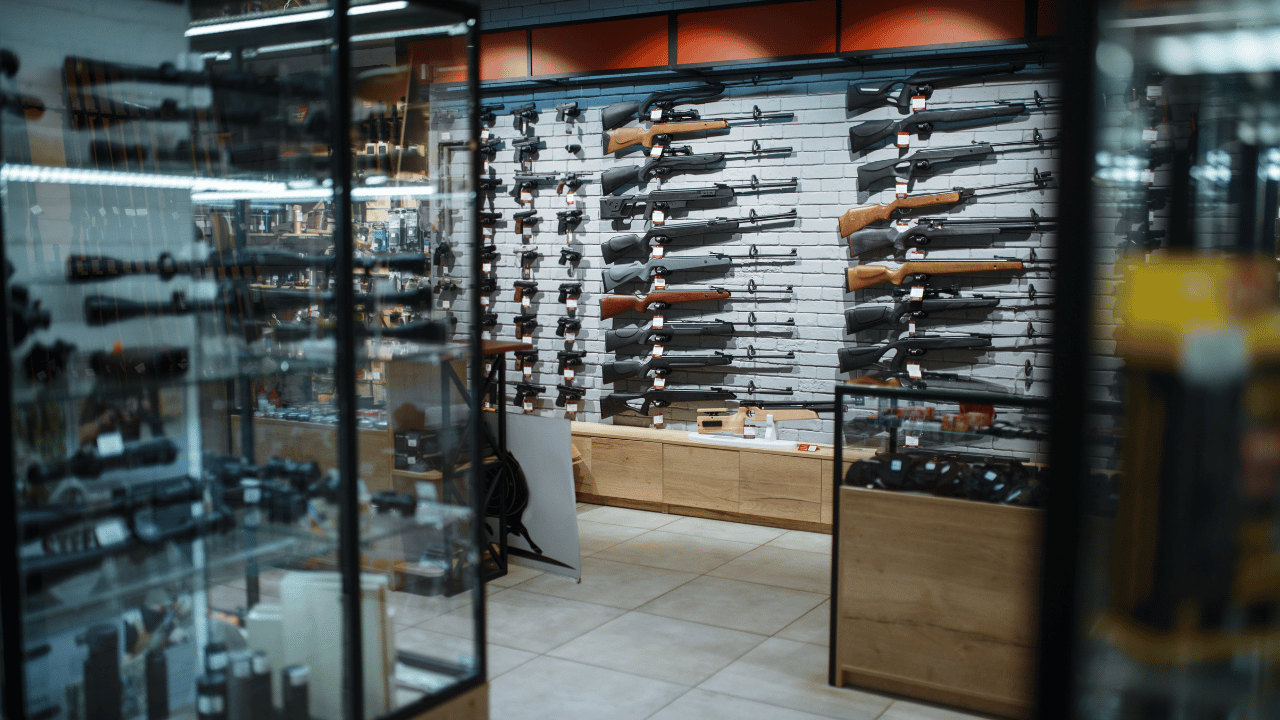
If you are planning to get started, having the right gear makes a big difference. That’s where Victory Ridge Sports comes in. We provide high-quality shooting equipment, optics, and accessories designed for both beginners and serious shooters. Our goal is simple: help you get reliable gear that improves your performance without confusion.
Whether you are looking for your first setup or upgrading your current gear, explore our collection and find what fits your needs. Start your skeet shooting journey with confidence and the right tools in your hands.