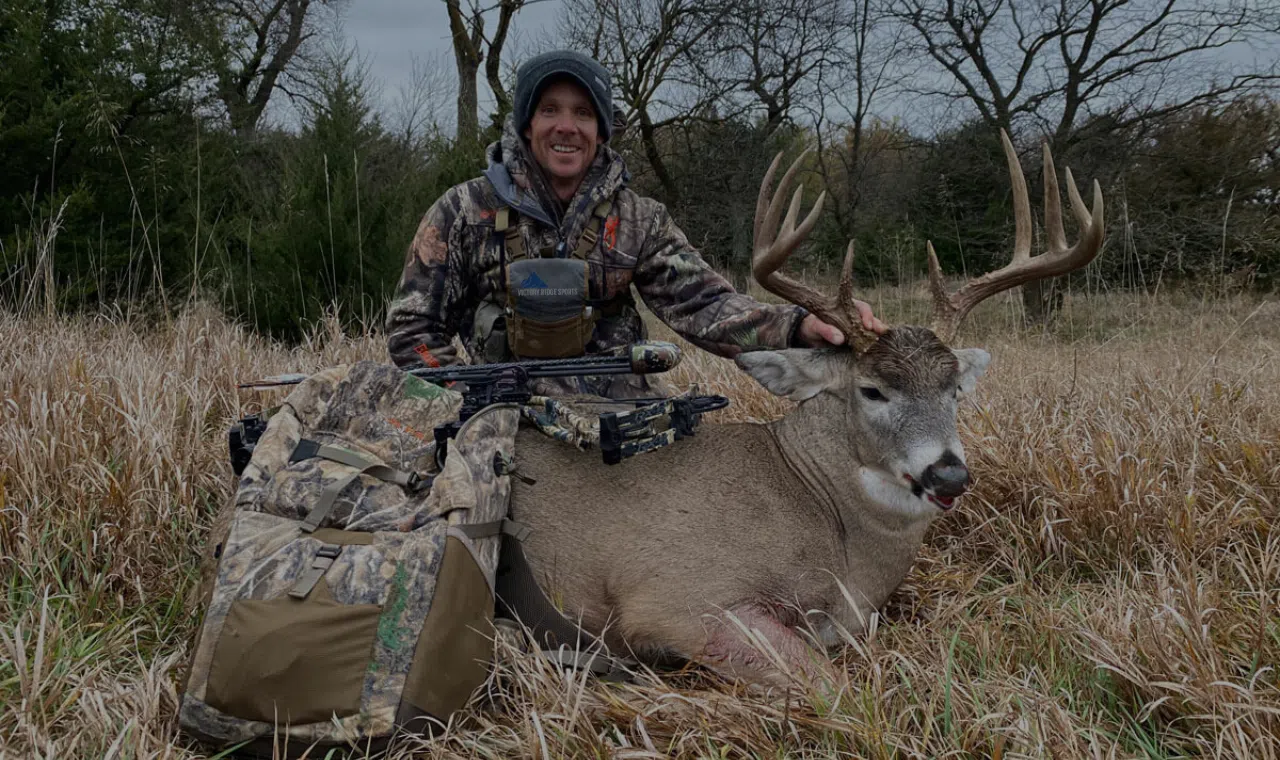

My father-in-law has shot more deer than anyone I know, and he has never owned a stitch of camo in his life.
He hunts in the same faded wool coat he bought in the eighties, blaze orange vest over top, jeans he has worn to work all week. I spent my first few seasons quietly assuming he got lucky. Then I sat with him one November and watched a doe feed past him at fifteen yards while I sat twenty feet away in head-to-toe pattern, having just been picked off by a different deer an hour earlier. He does not move. That is the entire secret, and the research on deer vision backs him up almost completely.
Direct answer: Camo helps by breaking up your outline, and it matters far less than most hunters believe. Deer are dichromatic, so blaze orange looks dull to them. They see blue and ultraviolet far better than humans do, and they detect motion better than anything else. Stillness beats pattern every time.
What the Research Actually Found
Most camo marketing rests on a study most hunters have never read. A group of researchers settled the core questions more than thirty years ago, and the findings still surprise people.
Here’s what the science established:
The 1992 University of Georgia study
In August 1992, deer researchers including Dr. R. Larry Marchinton and Dr. Karl V. Miller of the University of Georgia joined vision scientists from the University of California and the Medical College of Wisconsin to test what whitetails actually see. They measured electrical responses in the eye and translated them into a picture of deer colour perception. The National Deer Association’s summary of that research remains the clearest write-up available.
Deer are dichromats
The study confirmed that deer carry two types of cone photopigment rather than the three humans have. The cone they lack responds to long wavelengths, meaning red and orange. Deer effectively see the world in blues and yellows, similar to a person with red-green colour blindness. Dark reds read as black to them, and most greens and browns collapse into shades of yellow.
Sharp on movement, soft on detail
Deer trade colour range and fine detail for motion detection. They carry roughly 300 degrees of peripheral vision, a horizontally oriented pupil that gathers light along the horizon where danger lives, and faster visual processing than humans. They cannot resolve fine detail well, which matters enormously for how you should think about camo patterns.
Why Blaze Orange Does Not Blow Your Cover
Hunters who grew up being told orange ruins a hunt are working from a human assumption. Deer do not experience that colour the way we do.
Here’s what the research says about orange:
What a deer sees instead
Because deer lack the long-wavelength cone, blaze orange does not register as the screaming alarm colour it is to us. It reads as a dull, muted shade against the background. Miller has been direct about this, noting deer simply do not see blaze orange the way humans do, and describing orange and ultraviolet concerns as minor issues next to a deer’s ability to catch movement.
Ontario requires it anyway, and that is fine
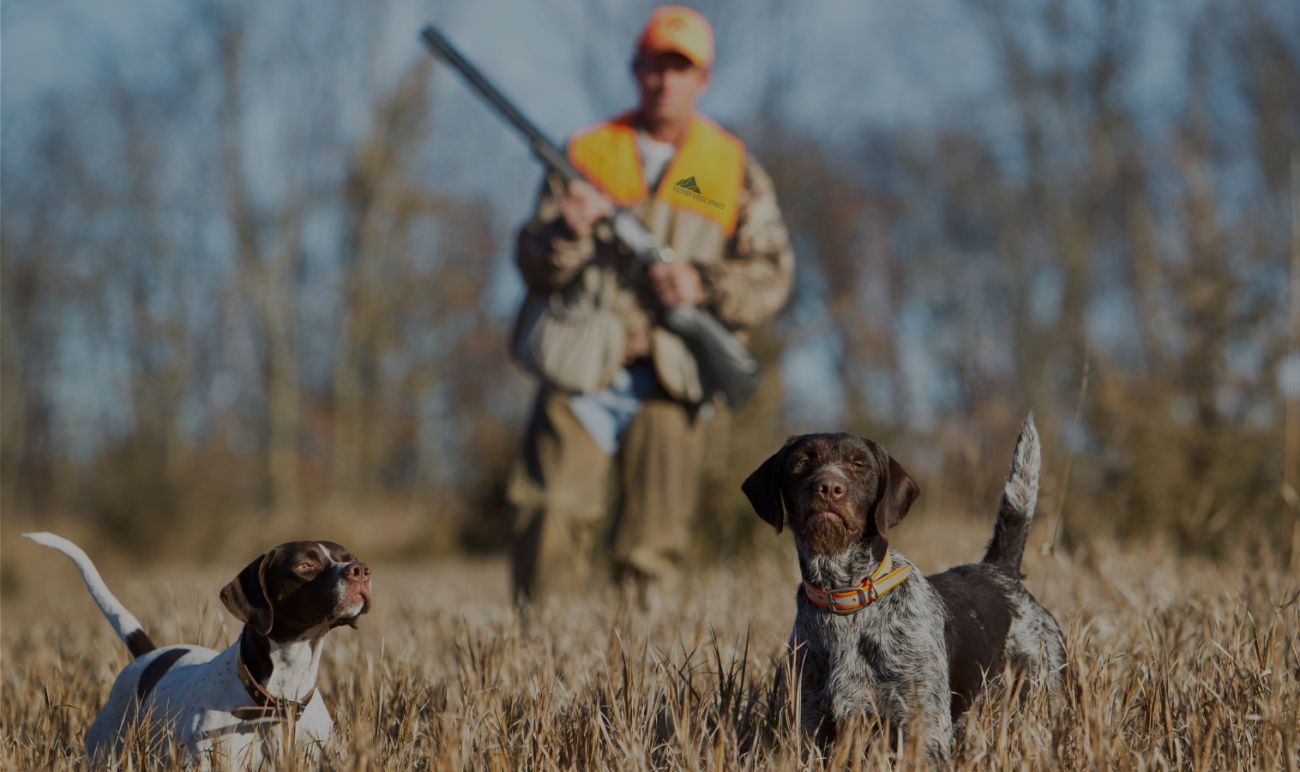
Ontario mandates blaze orange during gun seasons for deer and moose, and the science means you give up almost nothing by complying. You can stay visible to other hunters and stay effectively hidden from deer at the same time. Our range of blaze orange vests, hats and outerwear covers the legal requirement without working against you.
The Colour That Actually Gets You Busted
Hunters obsess over orange and ignore the wavelength that genuinely lights them up. Deer see short wavelengths far better than we do, and most people wear them into the woods without thinking.
Here’s what to actually worry about:
Blue is the problem
Deer perceive blue wavelengths dramatically better than humans, and they see into the ultraviolet range because their eyes lack the UV filter that ours have. A pair of blue jeans stands out to a deer in a way no camo pattern ever compensates for. That sensitivity peaks at dawn and dusk, when ambient light skews blue and deer move most.
UV brighteners in your laundry
Most household detergents contain optical brighteners designed to make fabric look whiter to human eyes. Those brighteners reflect UV light, which deer detect readily. Researchers disagree about whether treated clothing truly glows to a deer, and they agree on the practical advice: wash hunting clothes in a detergent without brighteners, and do not run your camo through the same wash as your work shirts.
What Camo Does Well, and What It Cannot Fix
None of this means camo is useless. It means camo does a narrower job than the marketing suggests, and understanding that job helps you choose better.
Here’s where pattern genuinely earns its place:
Breaking up your outline
A deer’s poor detail resolution means it is not studying your pattern. It is looking for a human shape. Camo works by disrupting that outline and reducing contrast against your background, which is why simple patterns with strong macro contrast often outperform photo-realistic prints that blur into a solid blob at forty yards.
Matching your background, not your species
Choose your pattern for where you sit rather than what you hunt. Open-country patterns look wrong against dark hardwood trunks, and heavy timber patterns turn into a dark mass in a cut cornfield. Sitting against a background that matches your torso matters more than any brand decision.
Movement beats pattern every time
Miller’s own bottom line is worth repeating: the less you move, the harder it is for deer to see you, regardless of what you wear. Position, wind, and stillness decide most encounters. Once a deer commits and gives you a shot, placement decides the rest, and our guide to where to shoot a buck covers reading a deer before you release.
Gearing Up for the Woods
The honest summary runs like this: buy camo that breaks your outline, keep blue off your body, wash it in the right detergent, wear your orange without worrying, and then sit still. The last part is free and it matters most.
We run a Canadian hunting and target sports store in Barrie, Ontario, at 431 Bayview Drive. We carry men’s hunting apparel and women’s hunting apparel across base layers, tops, jackets, and pants, including one of the better in-store Sitka Gear inventories in Ontario.
Most of the people behind our counter hunt the same country you do, so we start with where you sit and how you hunt rather than which pattern is trending. Visit the Barrie showroom Monday through Saturday, call 1-705-252-4400, or order online with free shipping over $250.
Frequently Asked Questions
Can deer see blaze orange?
Deer see blaze orange, though not as we do. They lack the cone that responds to long-wavelength red and orange light, so blaze orange reads as a dull, muted shade rather than a bright warning colour. Wearing it does not ruin your hunt.
Can deer see camo?
Deer detect a human outline more readily than a pattern. Their visual acuity is poor compared to ours, so camo works by breaking up your shape and reducing contrast rather than by fooling them with detail.
What colour should you avoid when deer hunting?
Blue. Deer see blue and ultraviolet wavelengths far better than humans, so blue jeans and UV-brightened fabrics stand out sharply, especially at dawn and dusk when ambient light shifts blue.
Does camo actually matter for deer hunting?
It helps, and it matters less than movement, wind, and positioning. Camo that breaks your outline against your specific background gives you a real advantage. No pattern compensates for fidgeting in a treestand.