
PRS shooting has grown fast over the past few years, and more beginners are getting interested in it. It combines long-range accuracy with real-world shooting positions, which makes it very different from traditional target shooting. In PRS shooting, you don’t just aim and fire. You move, adjust, and shoot under time pressure, which adds a new level of challenge and excitement.
Many shooters like it because it feels practical and skill-based. You learn how to handle your rifle in different situations while improving your precision at longer distances. From local matches to national competitions, PRS shooting offers a clear path for anyone who wants to improve and compete.
If you are new to long-range shooting or looking to step up your skills, PRS shooting gives you a structured way to grow. It focuses on consistency, control, and smart decision-making on every shot.
What Is PRS Shooting?
PRS shooting stands for Precision Rifle Series shooting, a competitive shooting sport focused on long-range accuracy under realistic conditions. In PRS shooting, competitors use precision rifles to hit targets placed at varying distances, usually between 300 to 1,200 yards. What makes it different from traditional shooting is that it combines accuracy, speed, and movement. Shooters don’t stay in one position. They shoot from obstacles like barricades, rooftops, or uneven terrain, often under strict time limits.
Each match is divided into stages. In every stage, shooters must engage multiple targets from different positions within a set time. Scoring is simple. Each successful hit earns a point, so consistency matters more than just one perfect shot. PRS shooting is popular because it feels practical and skill-based. It tests not only how well you shoot but also how you manage time, read wind, and adapt to changing situations.
Why PRS Shooting Is Growing So Fast in 2026
PRS shooting is growing quickly because more people want a shooting sport that feels real and skill-based. It is not just about hitting targets. It mixes movement, time pressure, and decision-making, which makes it more engaging than traditional shooting styles. Many beginners find it exciting because every stage feels different and challenges you in a new way.
Another big reason is accessibility. The sport has expanded from a small group into a global community. There are now hundreds of matches worldwide, and participation has increased from just a few hundred shooters in the early years to over 20,000 competitors by 2026 . Local and regional matches make it easier for new shooters to join without traveling far.
Technology also plays a role. Better rifles, optics, and training tools have made it easier to get started. At the same time, the community continues to grow, with more events, more categories, and more opportunities for beginners to compete and improve.
How PRS Matches Work?
PRS matches follow a structured format, but each event still feels different. You move through multiple stages, shoot from different positions, and engage targets at various distances. The goal stays simple. Hit as many targets as possible within the given time. For beginners, understanding how a match flows helps remove confusion and builds confidence before stepping onto the field.
What Happens in a Typical PRS Match
A PRS match usually starts with a safety briefing and stage overview. Shooters are grouped into squads and rotate through each stage together. At every stage, you get a short time to understand the setup before your turn. When it’s your time, you step up, follow the stage instructions, and begin shooting.
You engage multiple steel targets placed at different distances. Each stage has its own rules, positions, and target sequence. After finishing, your hits are recorded, and the squad moves to the next stage.
Stages, Time Limits, and Targets
Each match includes several stages, and every stage presents a new challenge. You might shoot from a barricade, rooftop prop, or uneven ground. The positions change to test your ability to adapt.
Time limits are strict. Most stages give you around 90 to 120 seconds to complete all your shots. You need to manage your time carefully while staying accurate.
Targets are usually steel plates placed at different distances. Some are easy to spot, while others are smaller or harder to see. This forces you to stay focused and adjust quickly.
How Scoring Works in PRS
Scoring in PRS shooting is simple and fair. Each successful hit counts as one point. Missed shots do not earn anything.
At the end of the match, your total hits across all stages determine your final score. The shooter with the highest score ranks at the top. This system rewards consistency, not just one good stage.
What Makes PRS Challenging
PRS shooting challenges you in multiple ways at once. You need accuracy, but you also need speed and control. Shooting from unstable positions makes it harder to stay steady.
Wind and distance changes add another layer of difficulty. You must read the conditions and adjust your aim quickly. On top of that, time pressure forces you to think fast and stay calm.
This mix of factors makes PRS shooting both demanding and rewarding, especially for beginners who want to improve real shooting skills.
Essential Gear You Need to Start PRS Shooting
Getting started in PRS shooting does not mean you need the most expensive setup. You need reliable gear that helps you stay consistent and comfortable while shooting. The right equipment makes a big difference, especially when you are learning how to handle different positions and distances.
Here are some of the most important gear you’ll need to start PRS Shooting:
Rifle Setup (Caliber & Platform)
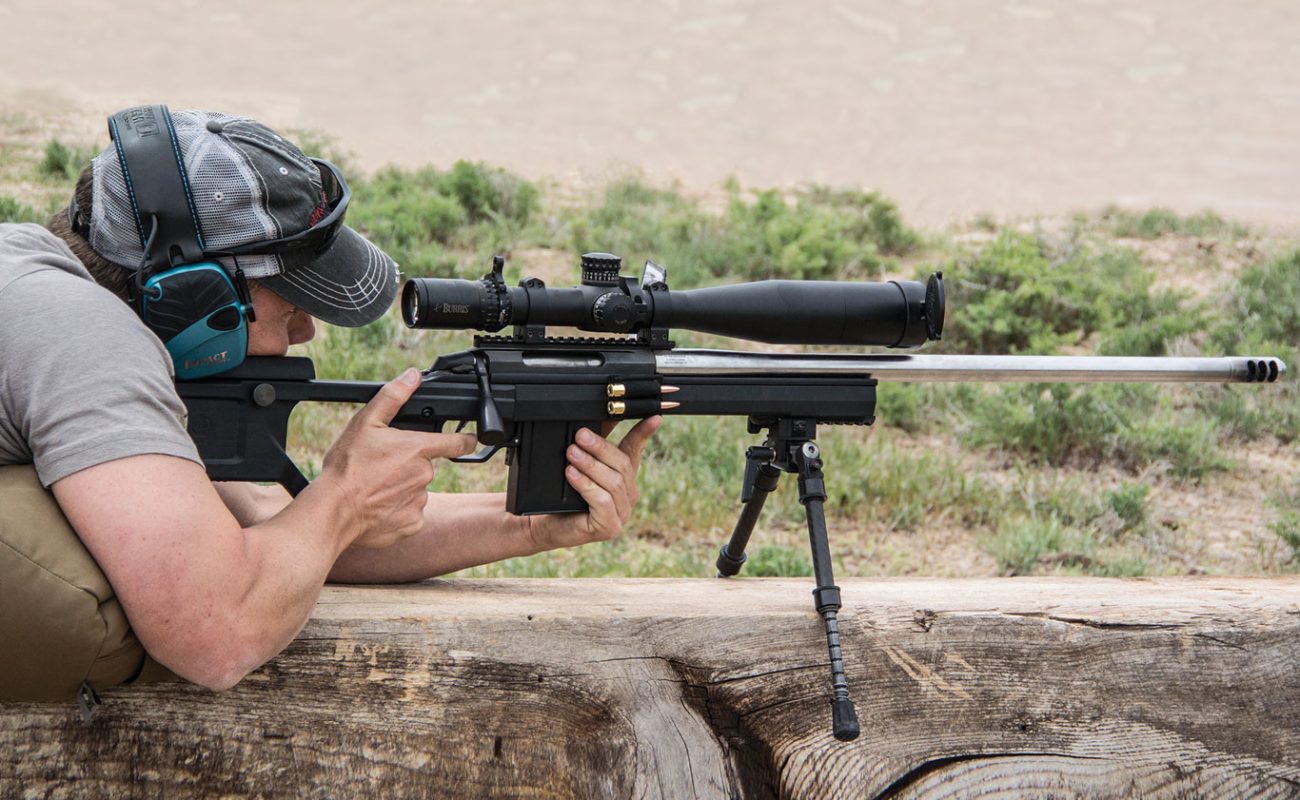
Your rifle is the most important part of your setup. Most PRS shooters use bolt-action rifles because they offer better accuracy and control. Popular calibers include 6mm and 6.5mm, as they provide a good balance between recoil and performance.
A heavier rifle helps reduce recoil and keeps your shots stable. Many beginners start with factory rifles and upgrade later as they gain experience. You do not need a custom build in the beginning. Focus on a setup that feels comfortable and shoots consistently.
Optics (Scopes & Magnification)
A quality scope helps you see clearly and make precise adjustments. Most PRS shooters use scopes with variable magnification, usually in the range of 5x to 25x.
Look for a scope with clear glass and reliable turrets. You will adjust elevation and windage often, so tracking accuracy matters. A good reticle also helps you hold for distance and wind without overthinking every shot.
Support Gear (Bipods, Bags, Tripods)
Support gear plays a big role in PRS shooting because you rarely shoot from a perfect position. A bipod gives you a stable front support when shooting prone or from flat surfaces.
Shooting bags help you stabilize your rifle on obstacles like barricades or props. Many shooters rely on them for better control in awkward positions. Tripods are optional but useful for spotting or supporting certain shots.
Ammo and Ballistics Tools
Consistent ammo is key to accuracy. Most shooters either use high-quality factory ammo or handload their own for better consistency. You want ammo that performs the same way every time you shoot.
Ballistics tools help you understand how your bullet travels over distance. This includes apps, range cards, or data books. They help you adjust for distance, wind, and elevation so you can make accurate shots.
Common Beginner Mistakes to Avoid in PRS Shooting
Starting PRS shooting feels exciting, but many beginners make simple mistakes that slow their progress. Avoiding these early on can save you time, money, and frustration.
One common mistake is spending too much money on gear right away. Many new shooters think expensive rifles and optics will improve their performance. In reality, fundamentals matter more. A basic setup with good practice will take you much further than high-end equipment without skill.
Another mistake is ignoring position practice. PRS shooting is not just about shooting from a bench. You need to get comfortable shooting from awkward positions like barricades and uneven surfaces. Many beginners focus only on accuracy and forget about stability and movement.
Poor time management is also a big issue. New shooters often rush their shots or waste time adjusting too much. Learning to stay calm and manage your time during a stage is key.
Lastly, many beginners overlook wind reading and data tracking. PRS shooting requires constant adjustments. If you do not track your shots and understand conditions, your accuracy will suffer over longer distances.
Final Thoughts
PRS shooting is one of the most rewarding ways to improve your shooting skills. It pushes you to stay focused, think fast, and stay consistent under pressure. You do not need to be an expert to get started. With the right mindset and steady practice, you can grow quickly and enjoy the process along the way.
As you move forward, having the right gear and support makes a big difference. That’s where Victory Ridge Sports comes in. They offer a wide range of equipment for PRS shooting, from rifles and optics to essential support gear. Whether you are just starting out or looking to upgrade your setup, you can find what you need in one place.
If you are ready to take the next step in PRS shooting, explore their collection and get equipped with the right tools to improve your performance and confidence on the field.